
Last updated November 23, 2026
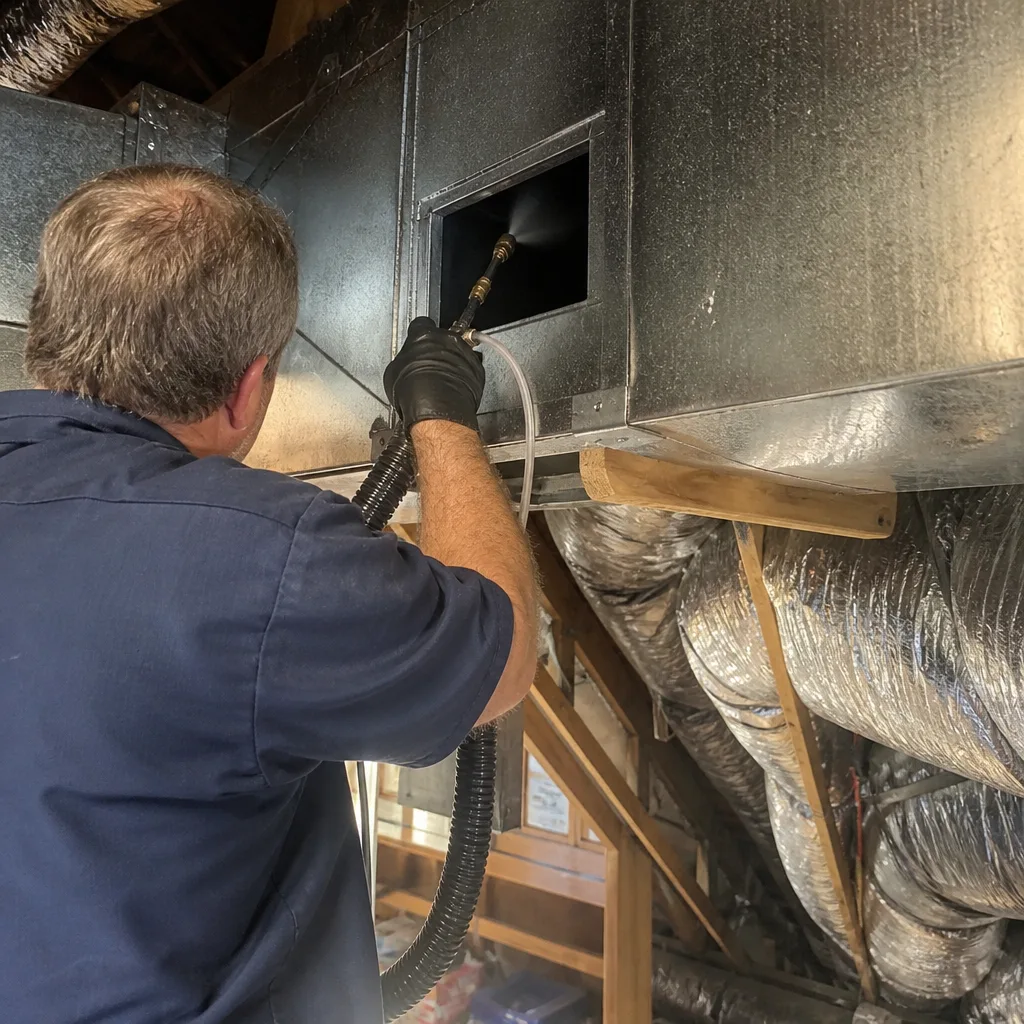
 Whole-home duct cleaning
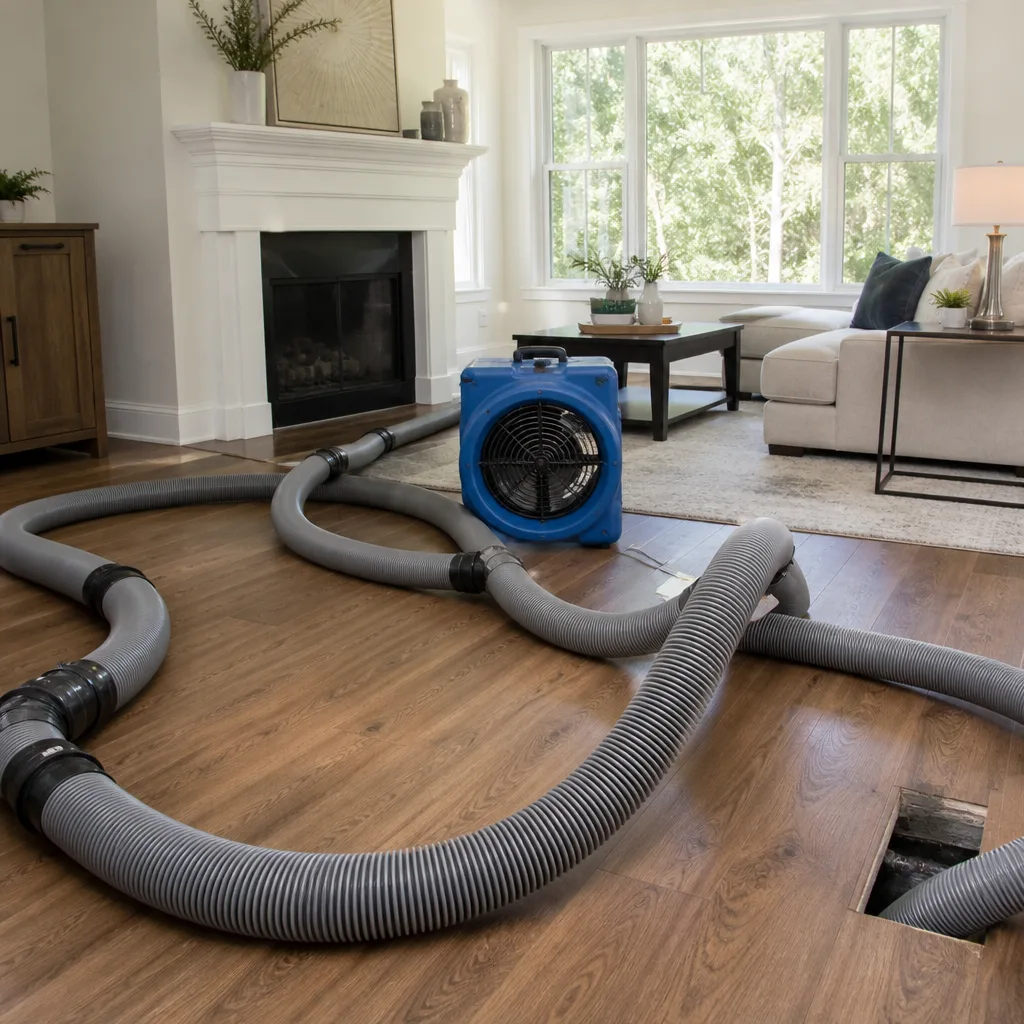
 Dryer vent cleaning
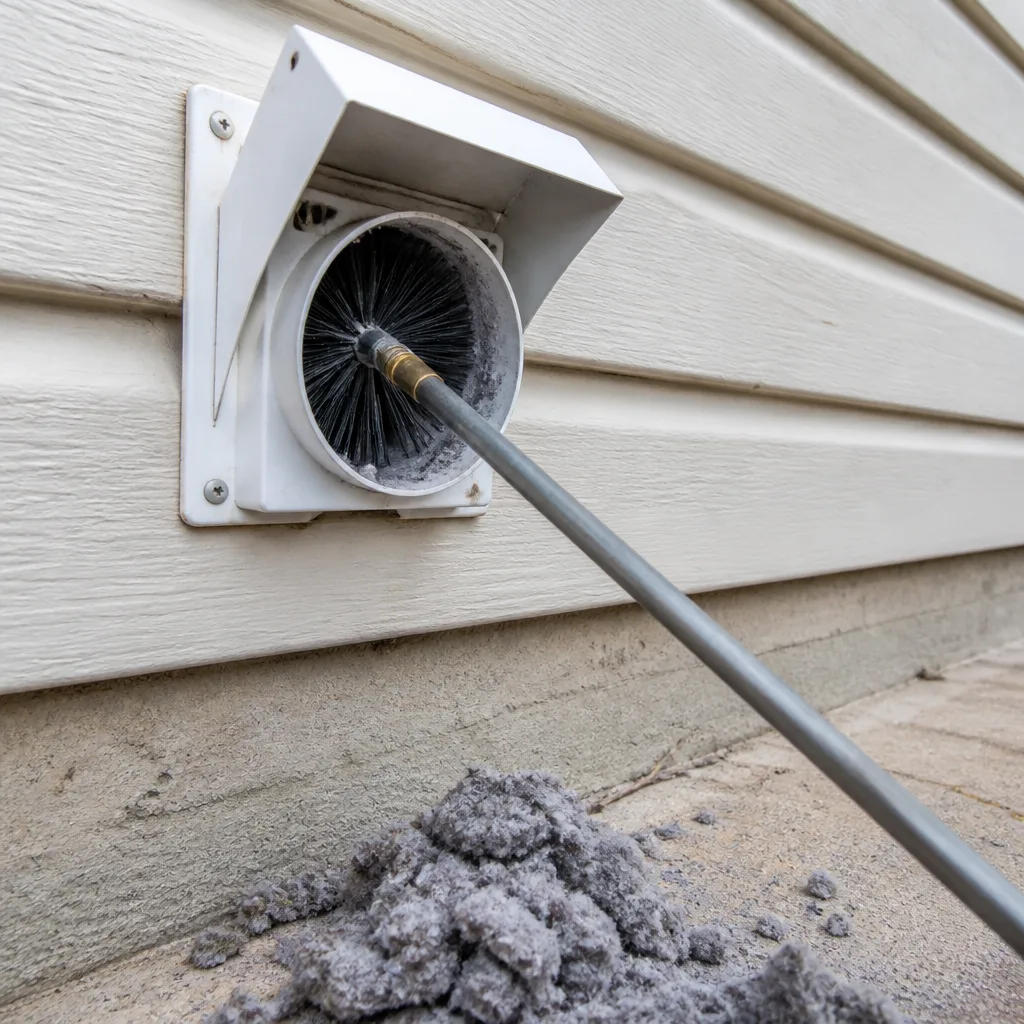
 Camera inspection
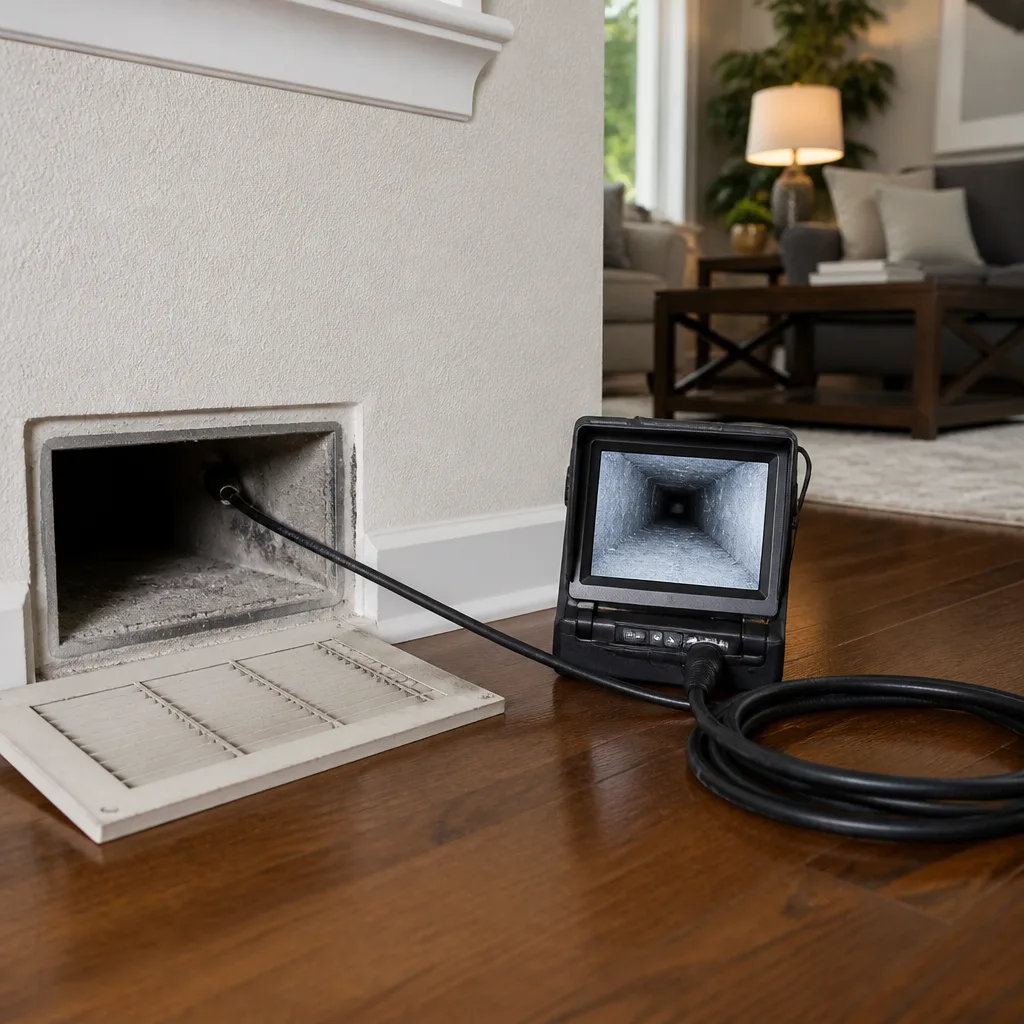
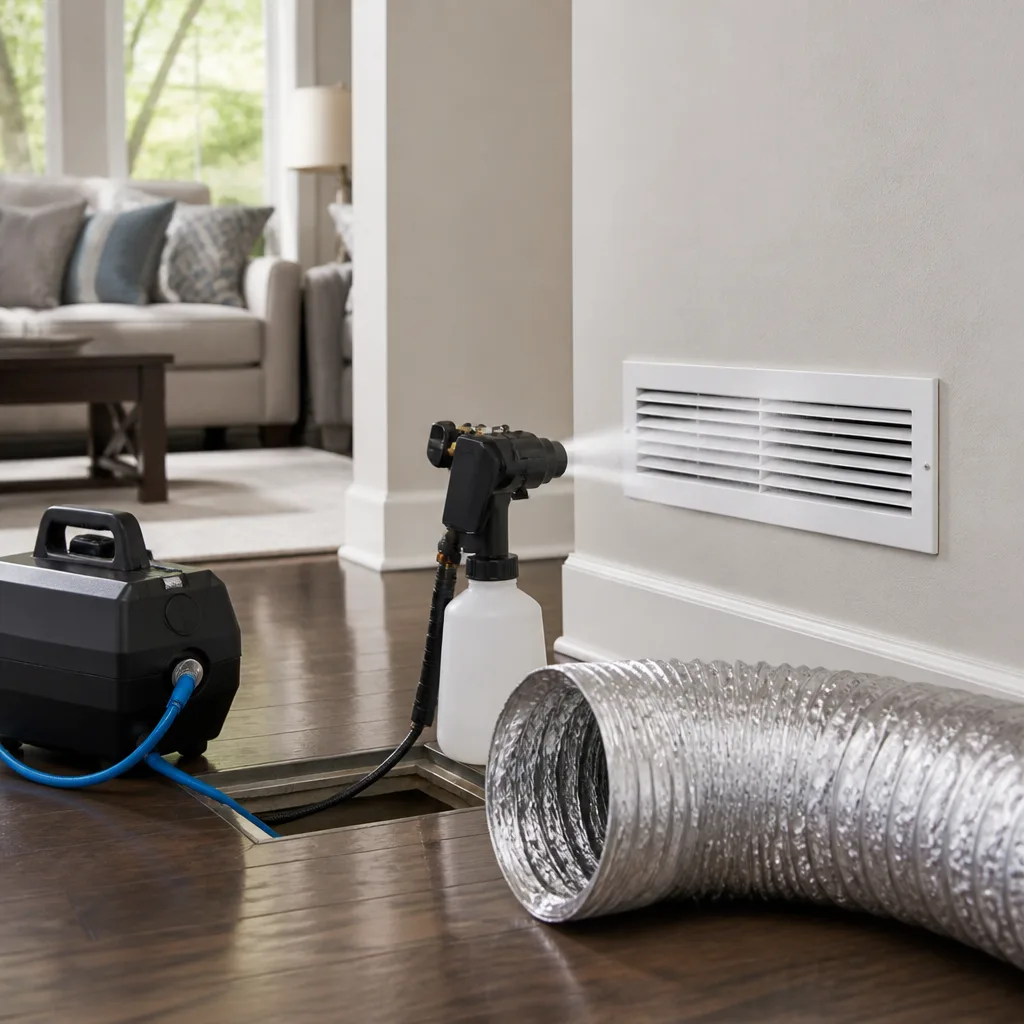 Sanitizing & deodorizing
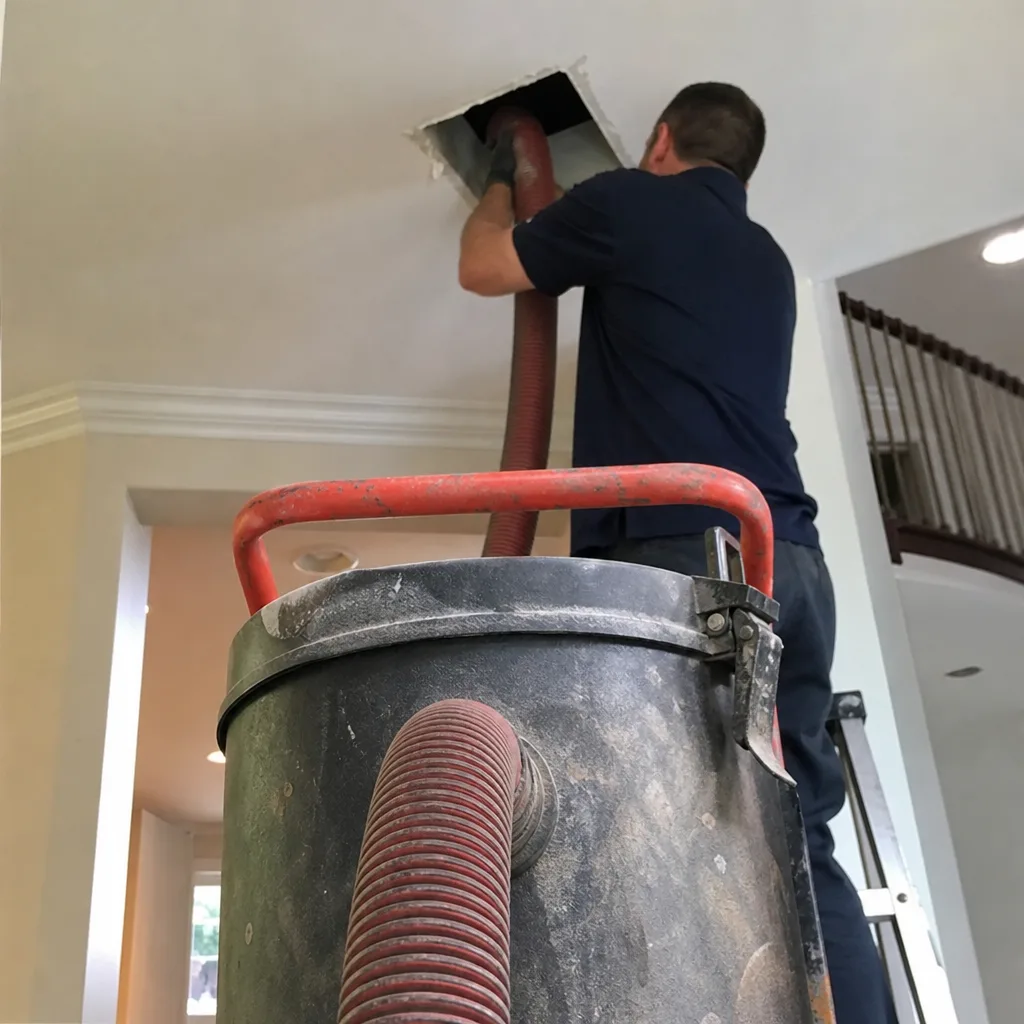
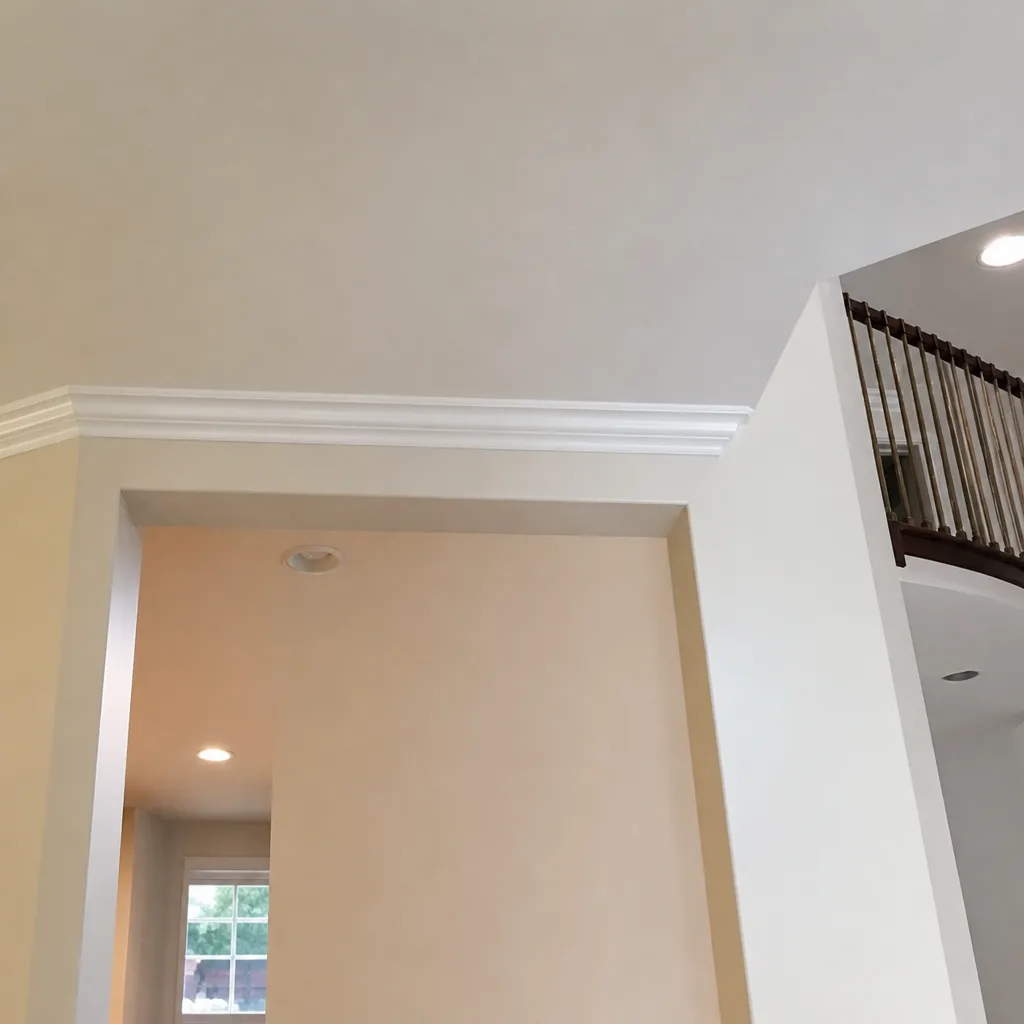
Whole-system duct and dryer vent check with before-and-after photos - you see exactly what came out of your vents
That "$99 whole-house special" is a bait ad - the real number appears once they are in your hallway, or the "clean" is a shop-vac at the register. We photograph the inside of your ducts before and after instead.
The Complete Guide to Air Duct Cleaning in Rancho Santa Margarita
Most air duct guides are written for a hypothetical home in a hypothetical climate. Rancho Santa Margarita isn’t hypothetical. This city sits at the edge of a fire-prone wildland interface, pulls marine air through the Ortega corridor, and holds thousands of tract homes built in the 1990s whose duct systems are now approaching 30 years old. That combination changes what actually accumulates inside your ductwork and how it should be cleaned. In this guide, we’ll walk through the contamination profiles specific to Rancho Santa Margarita, how to tell a real whole-system cleaning from a register wipe-down, and how to verify the work once it’s done.
Quick Answer
Air duct cleaning in Rancho Santa Margarita should be a full-system job: negative-pressure vacuum on the trunk, agitation of every branch line, inspection of flex duct for degradation, and sealing of any gaps found. Fine wildfire-interface particulate and 1990s-era flex duct both demand more than a surface brush and a shop vac. Ask any contractor to show you the system diagram and prove they cleaned every branch, not just the main trunk.
Styles & brands we work with
- Whole-home duct cleaning
- Dryer vent cleaning
- Camera inspection
- Sanitizing & deodorizing
Table of Contents
- Why Rancho Santa Margarita Duct Contamination Is Different
- Wildfire-Interface Particulate and What Brushing Misses
- 1990s Tract Home Ductwork: What to Inspect First
- Negative-Pressure Systems vs. Portable Vacuums
- What a Legitimate Whole-System Inspection Covers
- How to Read Your HVAC Diagram and Verify the Work
- How Much Does Air Duct Cleaning Cost in Rancho Santa Margarita?
- Common Mistakes to Avoid
Why Rancho Santa Margarita Duct Contamination Is Different
The air that moves through a Rancho Santa Margarita home carries a specific mix of particles that you won’t find in most Southern California markets. Marine air pushes inland through the Ortega corridor in the mornings, carrying moisture and salt-free humidity that keeps ambient dust slightly tacky. By afternoon, dry inland air and Santa Ana wind events can drop relative humidity fast, lofting fine dust from the surrounding chaparral and wildland edges into the air the HVAC system pulls in.
That cycle repeats. Over months and years, it deposits two distinct layers inside ductwork. The first is the ordinary household mix of skin cells, pet dander, and textile fiber. The second is the fine mineral and carbon particulate kicked up by wind events and wildfire smoke, which settles into the same duct surfaces and binds to the tacky layer underneath.
Why this matters:
- Fine particulate travels deeper. The very small particles that come off chaparral and wildfire smoke don’t stay on the register face. They ride the airstream into branch lines and settle on duct walls where standard brushing doesn’t reach.
- Two-story homes move more air. Rancho Santa Margarita’s hillside and tract-home neighborhoods are heavy on two-story floor plans, which means longer duct runs, more turns, and more surface area for particulate to stick to.
- Stucco homes run tight. Stucco-clad construction common in Rancho Santa Margarita is inherently less breathable than wood siding. When a home is well sealed, the HVAC return pulls harder from the same interior air, recirculating the same dust load unless the ducts are genuinely clean.
- Seasonal swings concentrate buildup. Mild winters mean the system runs year-round in heating or cooling mode, so the dust never really gets a break.
What this means practically: a generic “duct cleaning” that treats a Rancho Santa Margarita home the same way it would treat a home in a coastal flatland is going to leave the second layer behind. Cleaning the surface doesn’t remove what’s bonded to it.
Wildfire-Interface Particulate and What Brushing Misses
Rancho Santa Margarita borders wildland areas on multiple sides. That’s obvious during fire season, when smoke plumes are visible on the horizon. Less obvious is what that means for duct contamination the other 10 months of the year. Wind events lift fine ash and mineral dust from the chaparral edges and push it toward the housing stock continuously, not just during a fire.
A brush-based cleaning knocks loose material off duct walls and lets a vacuum pull it through. That works well for the top layer. It works poorly for the fine, bonded particulate that wildfire-interface winds deposit, which tends to sit in the micro-texture of flex duct lining and on the seams of sheet metal runs.
What actually reaches it:
- High-velocity air agitation. Compressed air tools whip the duct walls and lift bonded particulate into suspension, where the vacuum can capture it.
- Mechanical contact with the right brush type. Soft nylon for flex duct, stiffer brushes for sheet metal. A single brush style for both risks tearing the flex liner.
- HEPA-grade filtration on the extraction side. Without it, the fine particulate you just loosened re-enters the home through the exhaust.
- Sanitizing after cleaning. Once the surface is clean, an appropriate sanitizer helps address any remaining biological load in the moisture-affected areas of the system, particularly around the evaporator coil and drain pan.
In our experience, wildfire-interface particulate is the single most common reason a Rancho Santa Margarita homeowner schedules a second cleaning a year after the first one. The first pass removed the loose material; the bonded layer came back the moment the wind event season started again.
1990s Tract Home Ductwork: What to Inspect First
Rancho Santa Margarita’s housing stock is dominated by tract-built homes from the 1990s. That timing matters because the ductwork from that era has an expected lifespan and a specific set of failure modes. Approaching 30 years in, many of those systems are due for inspection, repair, or partial replacement, not just cleaning.
Before any cleaning happens in a Rancho Santa Margarita home of this vintage, a proper inspection looks for:
- Flex duct degradation. The inner liner of flex duct can delaminate, flake, or tear with age. If it has, cleaning the interior will make matters worse by pushing liner fragments downstream. The duct must be inspected for liner condition first.
- Disconnected joints. Flex duct is often joined to sheet metal boots with zip ties and tape that dry and loosen over decades. A disconnected joint means the system is pulling attic or crawlspace air into the home and blowing conditioned air into that same space. That’s both a filtration failure and a real energy loss.
- Sagging runs. Flex duct needs support every few feet. Sagged runs collect dust at the low point and reduce airflow to the far rooms.
- Contamination at the coil and plenum. The evaporator coil and the plenum box where the supply trunk exits the air handler are the two highest-contamination points in a 1990s home. A cleaning that skips them isn’t a whole-system cleaning.
- Return-side leaks. A leaky return in an attached garage or attic is a code and air quality issue. Inspect for it every time.
If inspection reveals degradation, we don’t clean on top of a failing system. The right sequence is repair first, then clean, then seal. That’s why air duct cleaning should always begin with a physical look at the duct material itself.
Negative-Pressure Systems vs. Portable Vacuums
If you take one thing from this guide, make it this: the extraction equipment on the truck matters more than any single cleaning tool inside the house. A negative-pressure system pulls the entire duct network to below room pressure, which means every opening in the house draws air in rather than leaking air out. A portable vacuum cannot do that, no matter how strong its motor is.
Why it matters more in a two-story Rancho Santa Margarita home:
The duct runs in a two-story floor plan are longer and more branch-heavy than a single-story home. There are more joist bays, more elbows, more end runs. When a portable vacuum is connected at one register, it creates suction close to that connection and almost none at the far end. The technician can brush the far branch, but there’s no airflow pulling the loosened debris back toward the vacuum.
A truck-mount negative-pressure system solves that with volume. The whole duct network is under uniform draw, so loosened material moves toward the extraction point from every branch at once. This is the same principle commercial contractors use in offices and hospitals.
The tools that make the difference:
- Rotobrush and Nikro systems are purpose-built duct cleaning platforms used by commercial contractors. They combine high-velocity air whips with contact brushes and on-board HEPA filtration.
- Abatement Technologies equipment is on hand for scenarios where the contamination level calls for a higher grade of air handling during the job, including post-wildfire-smoke episodes and biological concerns.
- Honeywell and Aprilaire filtration and humidification components integrate into the whole-system conversation when the homeowner wants cleaner air permanently, not just a one-time cleaning.
For Rancho Santa Margarita homes, in our experience, a portable vacuum on a two-story tract home is rarely enough. Commercial-grade equipment brought directly to your home is what makes the difference between a cleaning that shows on the registers and a cleaning that shows at the far end of the upstairs hallway branch.
What a Legitimate Whole-System Inspection Covers
The single biggest consumer-protection issue in air duct cleaning is the difference between a system inspection and a register wipe-down. Here’s how to tell them apart before work starts.
A real inspection covers:
- The air handler. The unit is opened, the blower wheel and blower compartment are inspected, and the evaporator coil is checked for dust loading and biological growth.
- The plenum. The supply plenum is opened so contamination at the top of the trunk can be seen and photographed.
- Every trunk line and branch. Each branch is camera-inspected or physically accessed. Not just the register, the branch itself.
- The return system. Return ducts, return grilles, and the return plenum. This is the half of the system most “silver-bullet” cleaners skip.
- Duct material condition. Flex, sheet metal, and any transitions are evaluated for integrity before cleaning.
- The dryer vent if it’s accessible, since dryer vent cleaning is a recognized fire-prevention item per NFPA guidelines and belongs in the same visit.
A register-only “cleaning” typically:
- Skips the air handler entirely.
- Pulls a brush through the visible register neck only.
- Uses a shop vac or a low-power portable unit.
- Leaves no photos of the interior duct before and after.
- Returns a bid in under five minutes with a price that looks like a service-call coupon.
Before any service, we walk the system with you, take before-and-after photos of your own ducts, and agree one flat price per system. No per-vent quotes, no surprise line items once the technician is on site. That’s the standard we think any Rancho Santa Margarita homeowner should hold a contractor to.
How to Read Your HVAC Diagram and Verify the Work
You don’t need to be an HVAC technician to verify that your whole system was cleaned. You need your system diagram, which is often taped inside the air handler cabinet or included with your original build paperwork. Here’s how to use it.
Step 1: Find the air handler and mark the return grille locations. On the diagram, the return grilles are the intake points. In most Rancho Santa Margarita two-story homes, there’s one large return downstairs and one upstairs. Every grille should be on the cleaning plan.
Step 2: Trace the supply trunk from the air handler. The trunk is the largest supply duct, usually running through the center of the house. Every branch that leaves the trunk feeds one room or one zone. Count them. That’s how many branches should show an after-cleaning photo.
Step 3: Identify the branches feeding each register. Match every room back to a branch on the diagram. When your contractor hands you the after-cleaning photos, each photo should correspond to a labeled branch, not just a smiling technician at a register.
Step 4: Verify the return path, not just the supply. Return ducts carry the same contaminants as supply and usually get skipped. Confirm on the diagram that the return system was included.
Step 5: Ask for the air-handler and plenum photos. These are the two highest-contamination points in any system. If the contractor can’t show you inside the air handler, the work isn’t complete.
A contractor who’s done real whole-system work will have no trouble matching photos to branches on your diagram. One who hasn’t will change the subject.
How Much Does Air Duct Cleaning Cost in Rancho Santa Margarita?
Cost in Rancho Santa Margarita depends on system size, home age, and whether the visit is cleaning only or cleaning plus repair and sealing. A single-story home with sheet metal ducts and no damage sits at the low end. A two-story 1990s tract home with flex duct degradation, disconnected joints, and a heavier contamination load will land higher. Below are the typical estimated ranges for a whole-system job.
- Whole-system air duct cleaning, single-story home: typically $350 to $550.
- Whole-system air duct cleaning, two-story home: typically $450 to $700.
- Air handler and evaporator coil cleaning add-on: typically $150 to $300.
- Dryer vent cleaning: typically $100 to $180.
- Duct repair or resealing, per run: typically $100 to $250.
- Sanitizing treatment after cleaning: typically $100 to $250.
Every number above is an estimate. Your written estimate, prepared after the inspection, sets the final price. We agree one flat price per system before any work starts, so the number on the estimate is the number on the invoice.
If you’re adding HVAC cleaning for the coil and air handler in the same visit, the total stays efficient because the equipment is already set up. If duct repair and sealing is needed for a specific branch, that’s scoped and priced on the same estimate. We can work with your insurer if a covered event is involved, though coverage decisions are theirs, not ours.
Why are some quotes so much cheaper? Because they’re quoting a different job. A $99 coupon from a phone book usually buys a register-port cleaning with a portable vacuum and no air handler access. The price goes up once the technician is on site and “discovers” problems. That’s the pattern to avoid. A written estimate before work starts, based on an actual inspection, is the only honest way to price this job.
Common Mistakes to Avoid
- Booking on price alone. If the quote is dramatically cheaper than the typical ranges above, it’s almost always scoped to registers only. The real work costs what it costs.
- Skipping the air handler and coil. Those two components hold the highest contamination load in any system. A cleaning that doesn’t open them hasn’t touched the source.
- Cleaning over degraded flex duct. In 1990s Rancho Santa Margarita tract homes, cleaning before inspecting duct condition can spread liner fragments through the system. Fix the duct, then clean.
- Ignoring the return side. If only supply branches are cleaned, the return path recontaminates the system within weeks.
- Accepting a per-vent quote. Per-vent pricing encourages contractors to count vents rather than clean systems. Whole-system pricing is the only structure that matches how HVAC works.
- Keeping the same filter schedule. After a cleaning, filter change intervals should be reviewed. A clogged filter in a Rancho Santa Margarita home under a heavy wind season loads faster than standard schedules assume.
- Not asking for interior photos. Before-and-after photos of your own ducts are the simplest way to verify the work. A contractor unwilling to provide them is telling you something.
See the difference
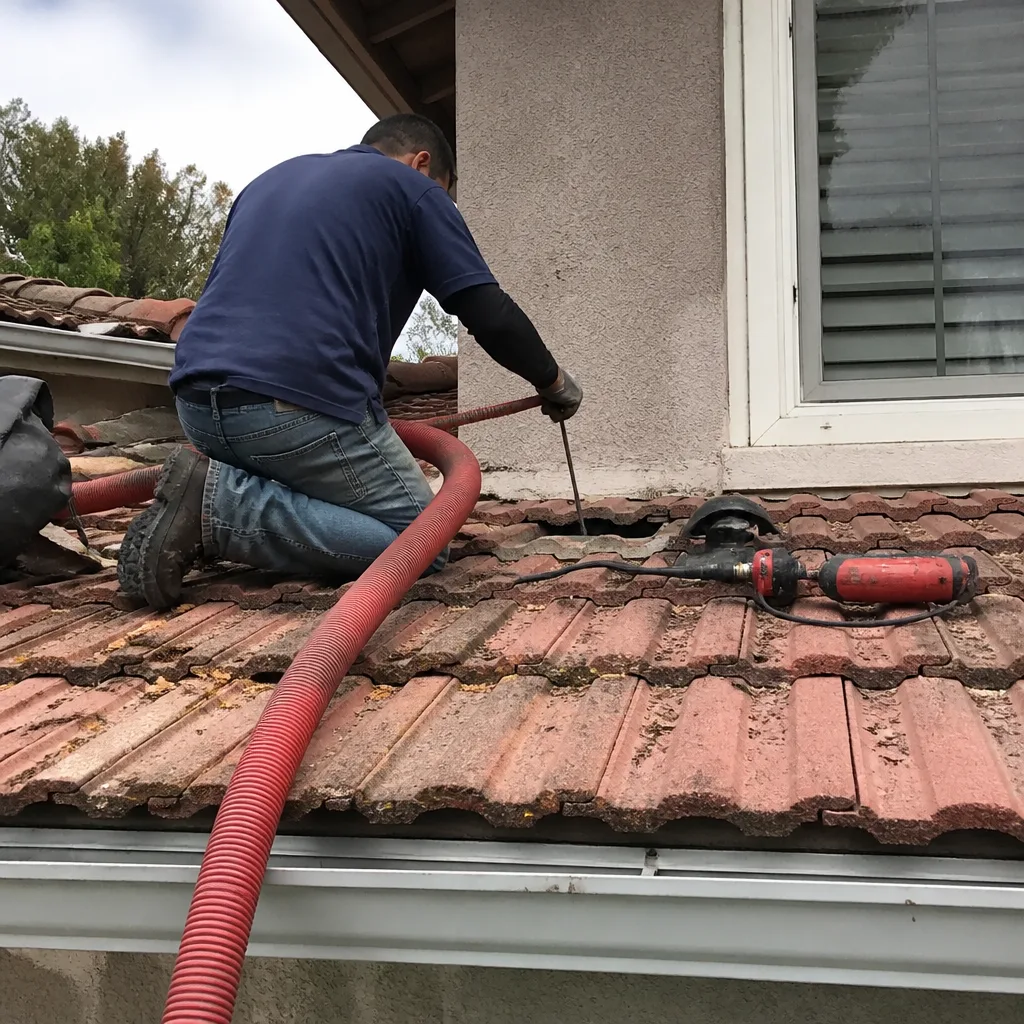 Before
 After
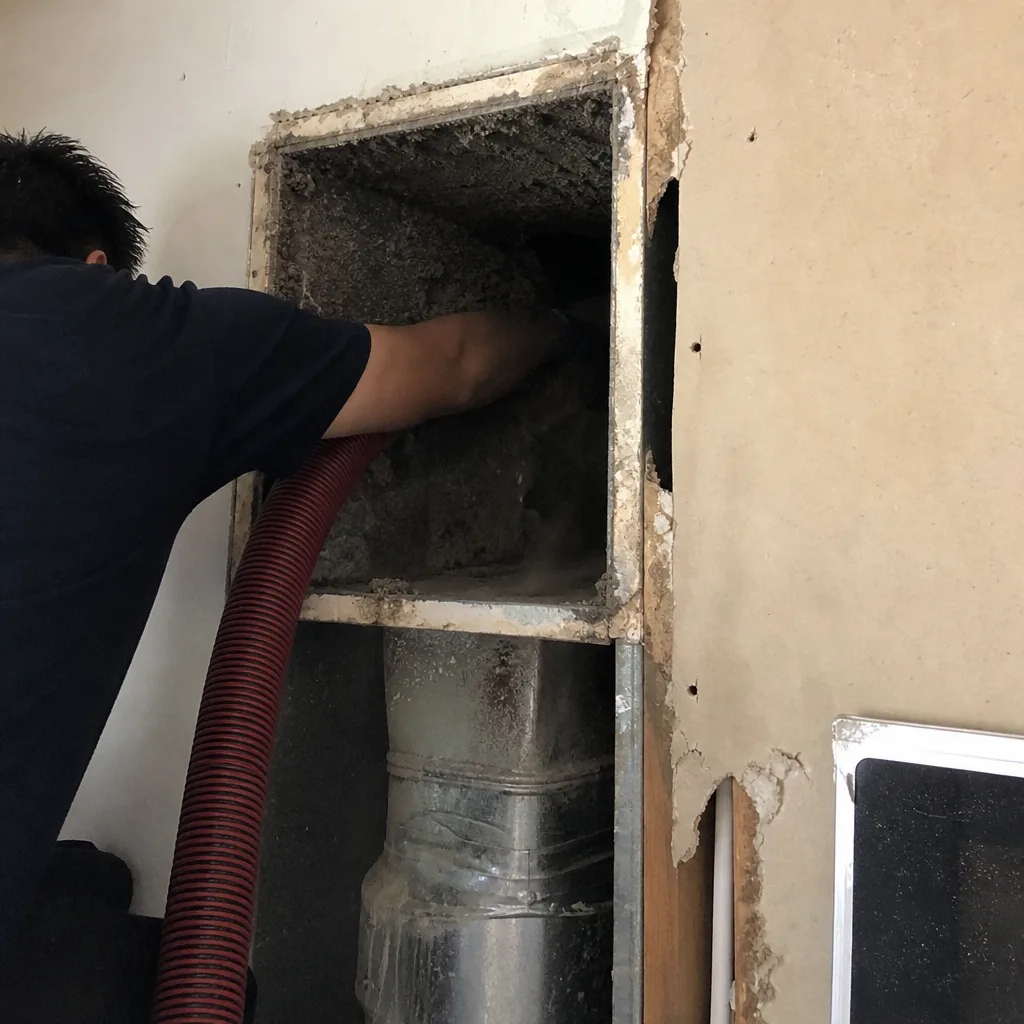 Before
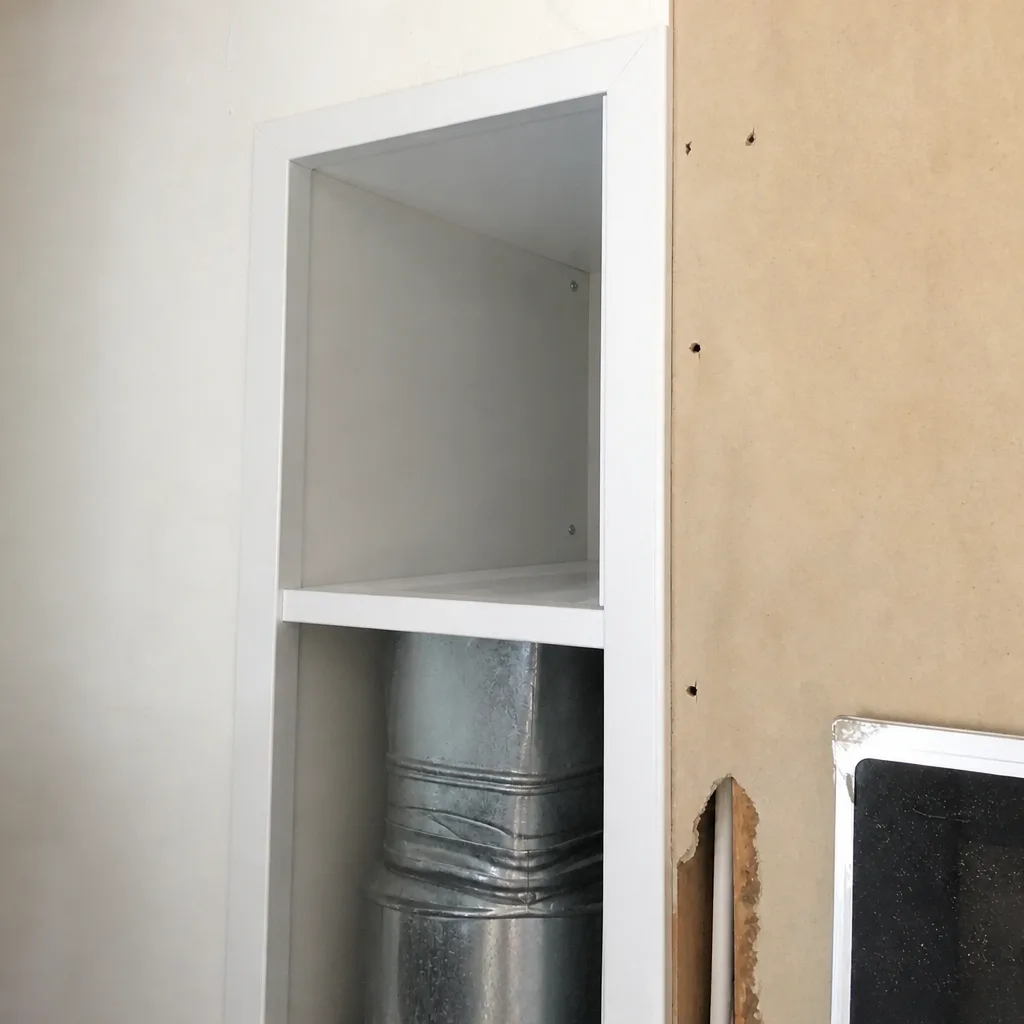 After
 Before
 After
When to Call a Professional
Some duct conditions call for a professional inspection rather than waiting for the next annual window. Call if you’ve noticed a musty odor when the heat first kicks on, visible dust streaks on registers right after the filter was changed, noticeably higher dust settling in rooms far from the air handler, or a rise in allergy symptoms in the family. Call if you’ve had a wildfire smoke event near your Rancho Santa Margarita neighborhood and want an interior inspection to see if particulate reached the system. Call if you’ve recently moved into a 1990s-era Rancho Santa Margarita home and don’t have service records. Call if your dryer is taking longer than usual, which is worth a dryer vent cleaning check. Rancho Santa Margarita Air Duct Cleaning Pros offers free estimates in Rancho Santa Margarita. Call (877) 792-5932.
Frequently Asked Questions
Whole-system air duct cleaning in Rancho Santa Margarita typically runs $350 to $700 depending on home size and condition, with a two-story 1990s tract home at the higher end and a single-story with clean sheet metal duct at the lower end. Air handler cleaning, dryer vent cleaning, and repair are line items on the same estimate. The written estimate sets the final price, and we agree one flat price per system before any work starts. Call (877) 792-5932 for an exact quote; estimates are free.
For most Rancho Santa Margarita homes, every 3 to 5 years is the right interval for a whole-system cleaning, but wildfire-interface particulate shortens that. After a significant smoke event near the wildland edge, an inspection a year later is worth doing even if the calendar says you’re not due. Homes with pets, allergy sufferers, or smokers should lean toward the shorter end of the range. Call (877) 792-5932 to talk through your specific situation.
Because they’re quoting a smaller job than you think. Teaser pricing generally covers a register-port pass with a portable vacuum, no air handler access, no return cleaning, and no interior photos. The upsell happens on site once the technician “finds” problems. A legitimate estimate follows a full inspection and prices the whole system before any work starts. Call (877) 792-5932 for an honest written estimate on a real whole-system clean.
Ask for three things: interior before-and-after photos of your own ducts, photos matched to specific branches on your system diagram, and photos of the air handler and plenum. A whole-system cleaning leaves a paper trail. If the contractor can’t produce the photos, the work wasn’t done. Call (877) 792-5932 to have a job scoped to that standard; estimates are free.
Often yes. Flex duct from that era has had decades to sag, delaminate, and separate at the boot connections, and those gaps both lose conditioned air and pull attic or crawlspace air into the home. Sealing those runs during the cleaning visit is the difference between a cleaning that lasts and one you’ll repeat in 12 months. Call (877) 792-5932 for an inspection that evaluates the duct material, not just its surface.
Yes, the estimate is free and the price is set per job by the written estimate, not by per-vent counting. Call (877) 792-5932 to book an inspection of your Rancho Santa Margarita home. We answer 24/7. Fast dispatch from 7am to 7pm, Sunday through Friday. A call outside dispatch hours is booked into the next opening.
The Bottom Line
Air duct cleaning in Rancho Santa Margarita isn’t the same job it is in a coastal flatland or a mountain town. The wildland-urban interface brings fine particulate that brushing alone won’t lift. The 1990s tract-home stock is full of flex duct now approaching the end of its expected life, which means duct condition has to be inspected before cleaning starts. The equipment matters: commercial-grade negative-pressure extraction, Rotobrush and Nikro systems, Abatement Technologies for heavier loads. And the standard matters too: one flat price per system, no per-vent pricing, before-and-after photos of your own ducts. Everything else is scaling dust on a register.
Rancho Santa Margarita Air Duct Cleaning Pros handles air duct cleaning, dryer vent cleaning, HVAC cleaning, duct repair and sealing, and air quality and sanitizing for residential systems. Our technicians have up to 15 years of experience, and we use the same tools as commercial contractors. The local pro we connect you with is licensed and insured as their state requires. Free estimates for Rancho Santa Margarita homeowners, and one flat price per system agreed before work starts. Cleaner air starts at the source. Call (877) 792-5932. We answer 24/7. Fast dispatch from 7am to 7pm, Sunday through Friday.
Written by the team at Rancho Santa Margarita Air Duct Cleaning Pros.