
Last updated November 23, 2026
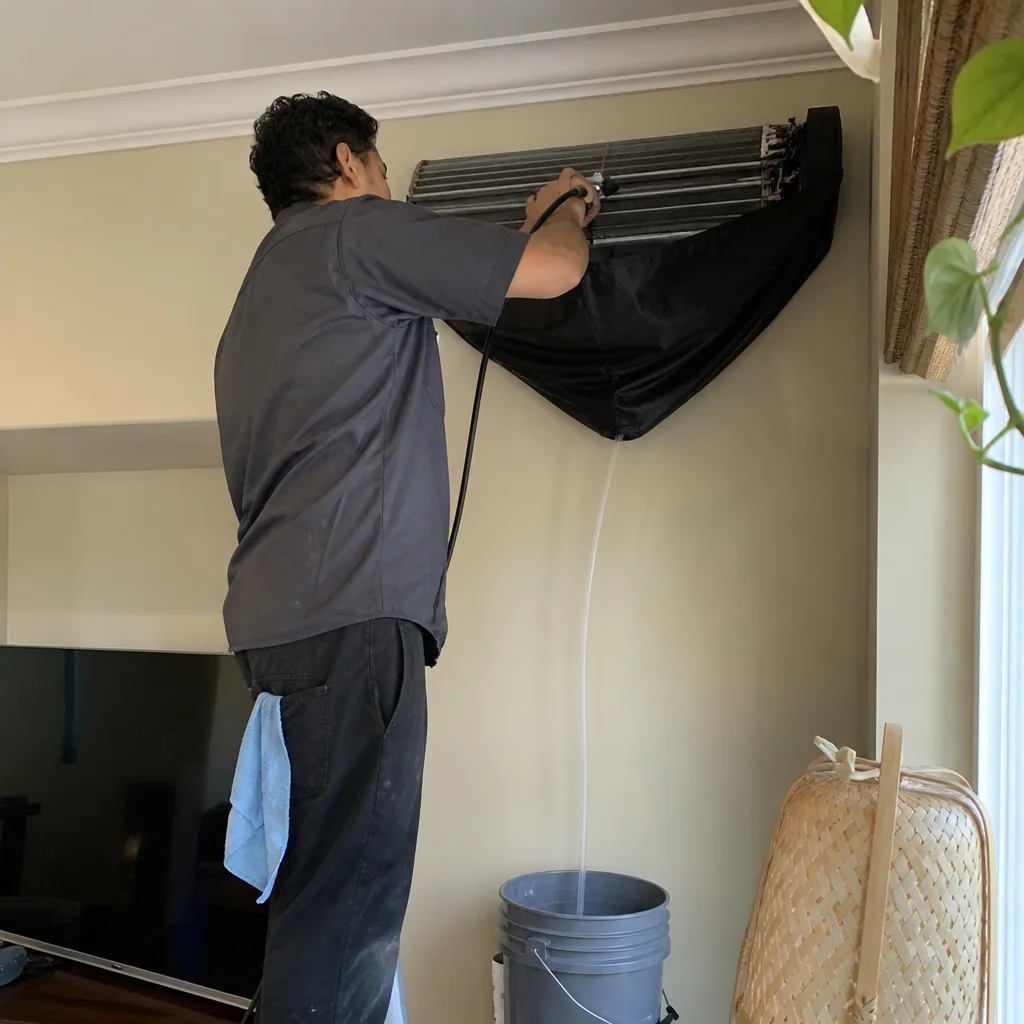
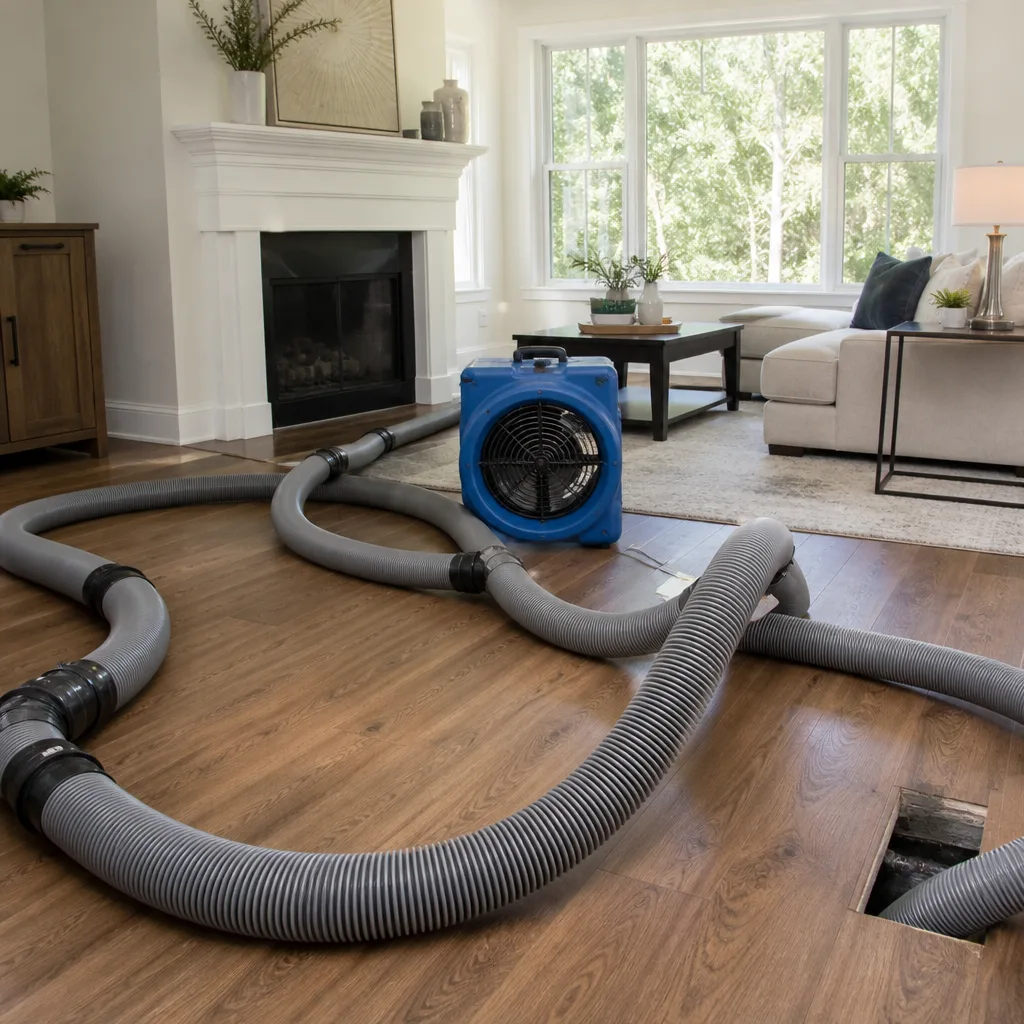 Whole-home duct cleaning
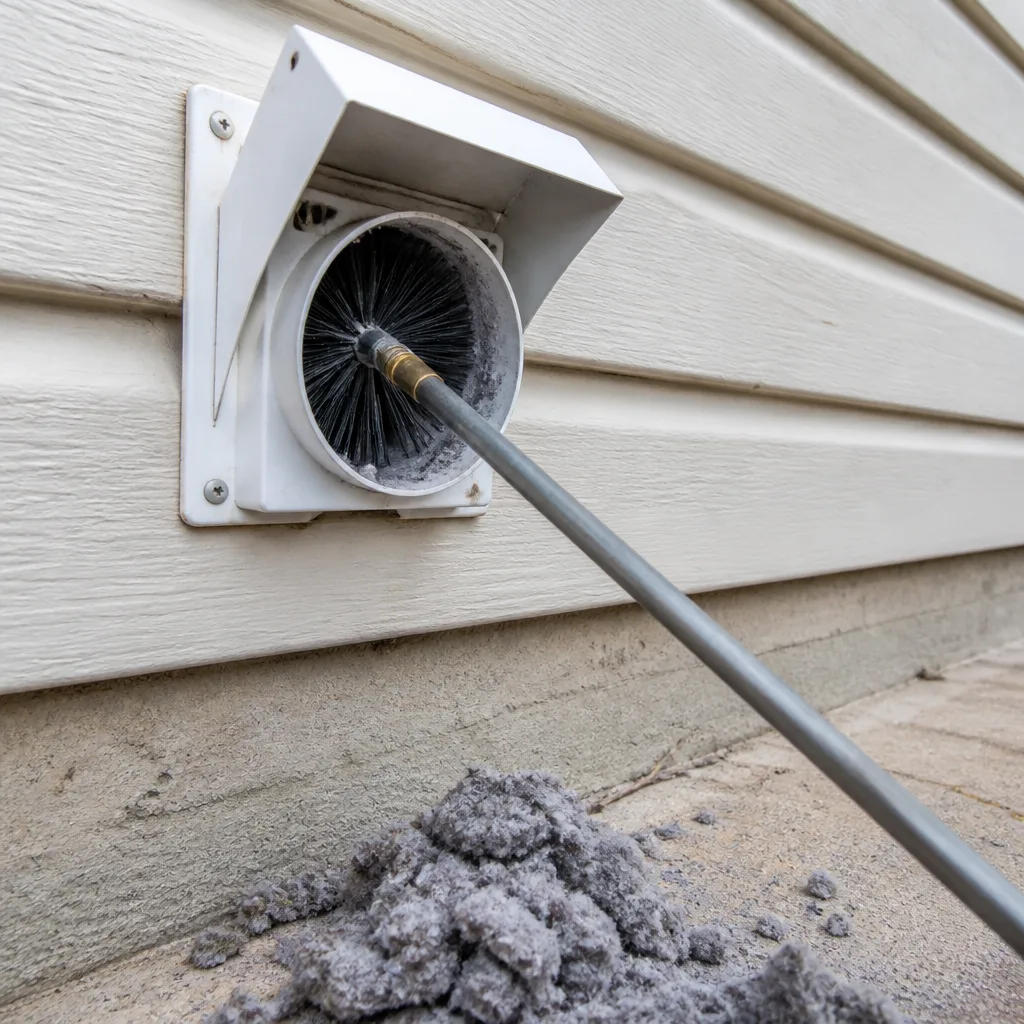 Dryer vent cleaning
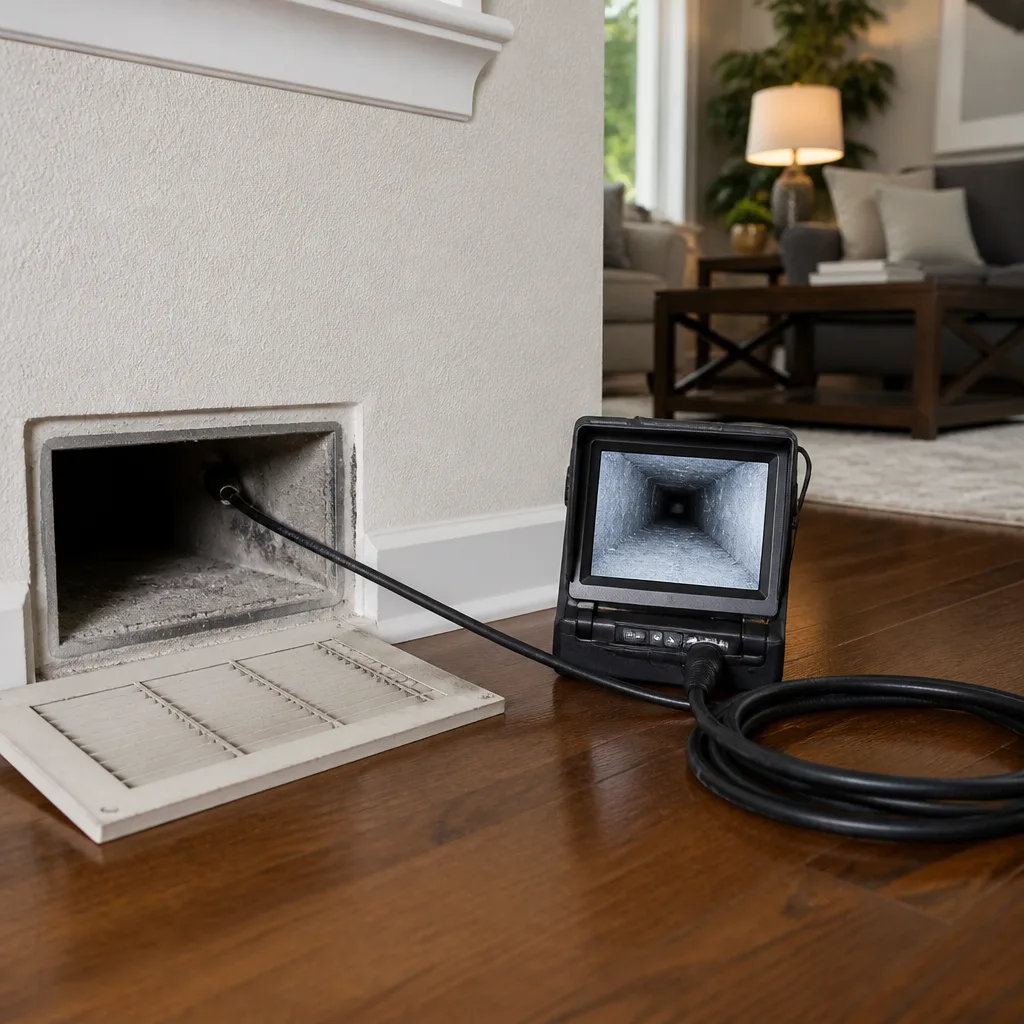 Camera inspection
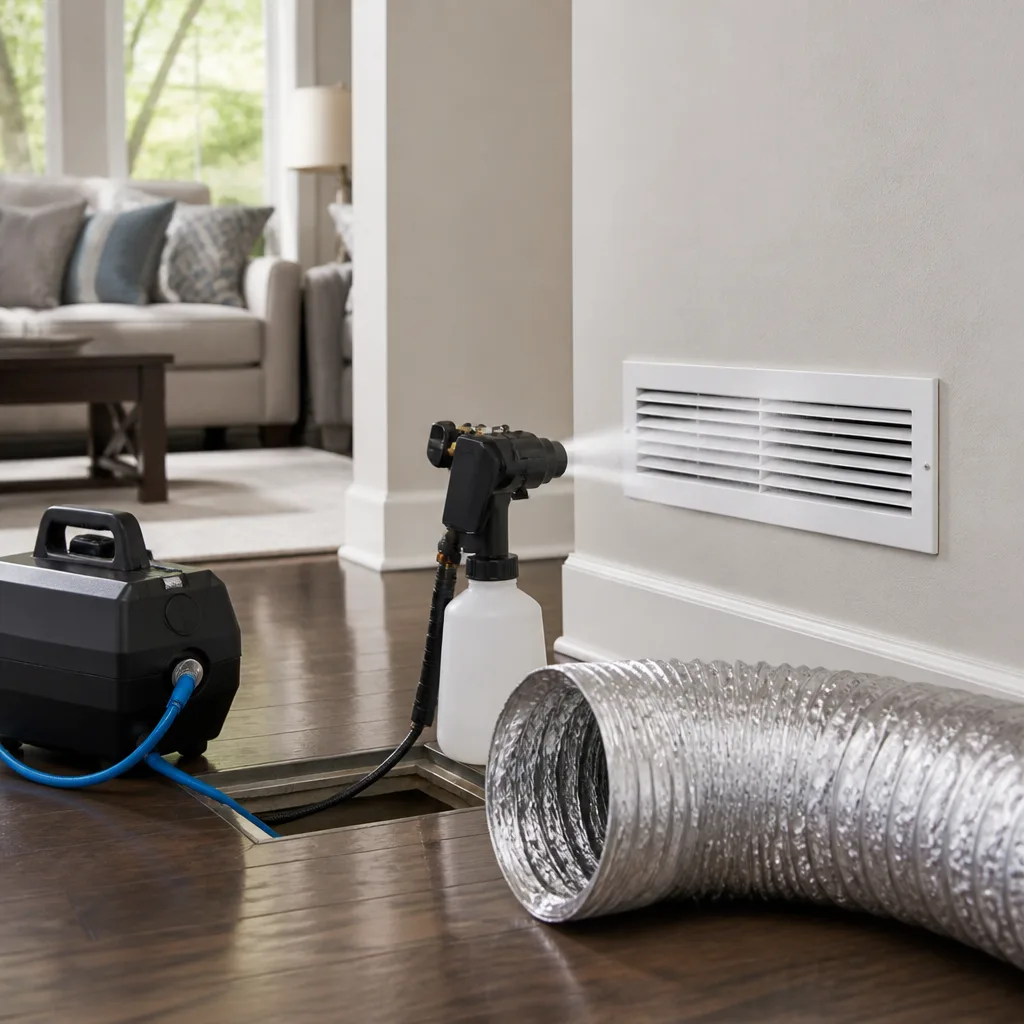 Sanitizing & deodorizing
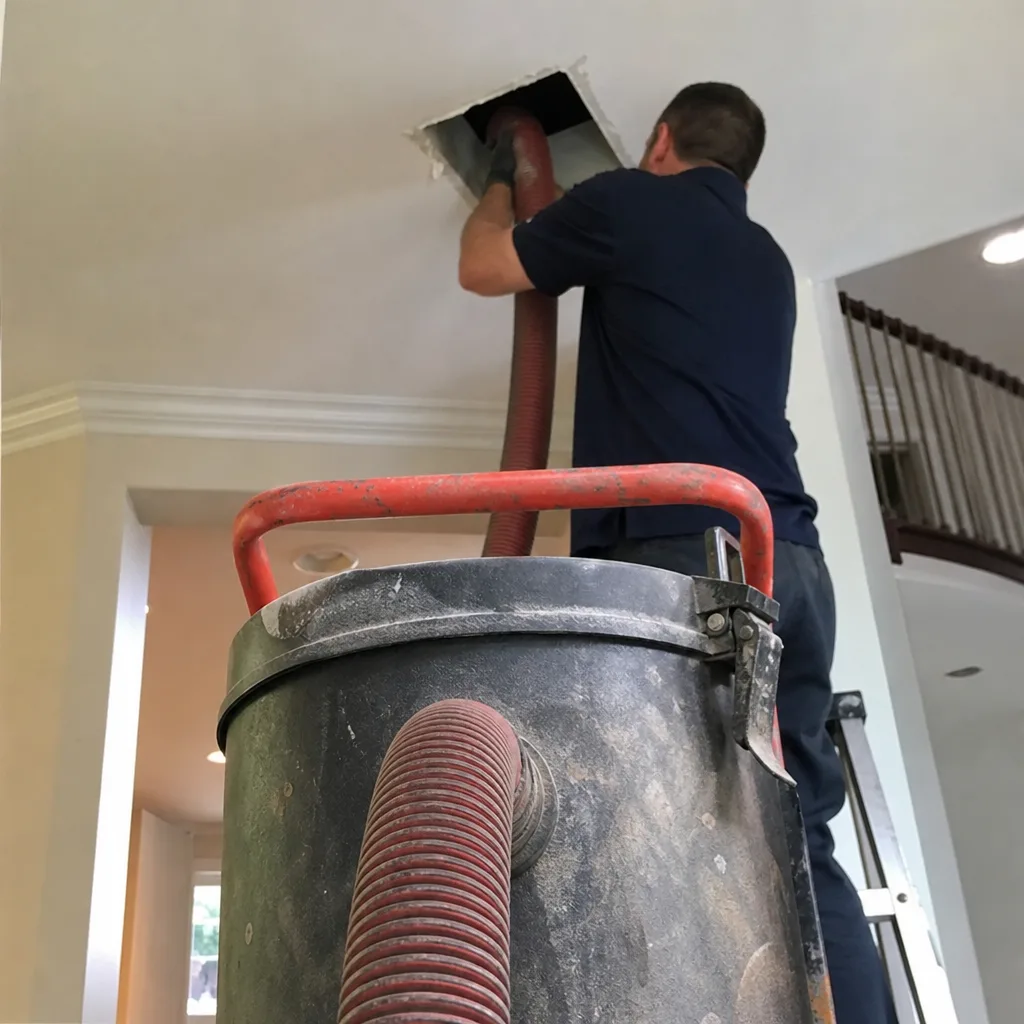
Whole-system duct and dryer vent check with before-and-after photos - you see exactly what came out of your vents
That "$99 whole-house special" is a bait ad - the real number appears once they are in your hallway, or the "clean" is a shop-vac at the register. We photograph the inside of your ducts before and after instead.
Seasonal Air Duct Cleaning Care for Rancho Santa Margarita: Year-Round Homeowner’s Guide
Most homeowners think duct cleaning is a once-a-year chore you knock out before the holidays. In Rancho Santa Margarita, that calendar doesn’t work. The air that moves through your system here changes character several times a year: fine windblown dust during the fall Santa Ana events, a long humid stretch in spring that favors mold, and heavy cooling demand through the summer. Each season loads your ductwork differently, so the timing of cleaning, filter swaps and sealing matters as much as the service itself. This guide walks through the local cycle month by month, shows you what to check before each shift, and explains how to use regional air quality data to decide when your system needs attention. If you’ve been treating duct care as a one-and-done task, the year-round view is the upgrade.
Quick Answer
Air duct care in Rancho Santa Margarita works best as a seasonal routine: inspect and prep before the fall Santa Ana winds, clean filters and assess buildup after any wildfire smoke event, address humidity and mold risk through the March-to-May marine layer, then verify your system before peak summer cooling. One thorough professional cleaning a year, timed to your home’s exposure, plus filter changes tied to local air quality readings, keeps most systems in good shape.
Styles & brands we work with
- Whole-home duct cleaning
- Dryer vent cleaning
- Camera inspection
- Sanitizing & deodorizing
Table of Contents
- Why Seasonal Duct Care Matters More in Rancho Santa Margarita
- Pre-Santa Ana Season Preparation: What to Check in September
- Post-Wildfire Smoke Protocol: Assessing Fine Particle Load
- Spring Marine Layer and Humidity: The Mold Window
- Summer Pre-Cooling Season Checklist
- Using South Coast AQMD Data to Time Your Cleaning
- Why Clean Ducts Are Only Half the Job
- Common Mistakes to Avoid
Why Seasonal Duct Care Matters More in Rancho Santa Margarita
Rancho Santa Margarita sits in a bowl of terrain that funnels wind and traps air in different ways depending on the season. In autumn, offshore Santa Ana winds push fine particulate matter off the Cleveland National Forest ridges and into the community. In late spring, a marine layer rolls inland through the canyons and keeps morning humidity elevated. Summer brings sustained heat that runs your air conditioner for hours at a stretch. Your ductwork experiences all three.
That matters because a duct system isn’t a passive pipe. It’s the pathway every cubic foot of conditioned air travels before it reaches your lungs. Whatever the season deposits inside those ducts tends to stay there until it’s physically removed. Windborne dust settles on duct surfaces. Humidity moistens that dust, and moist dust is where mold likes to start. Then summer airflow pushes the accumulated material back into your living space.
We’ve seen the pattern repeat across homes in neighborhoods like Dove Canyon, Robinson Ranch and the Las Flores area. The houses that stay comfortable and breathe cleanly aren’t the ones getting emergency cleanings after a problem appears. They’re the ones following a seasonal rhythm that matches how the local climate actually behaves.
- Fall: windblown fine dust and any wildfire smoke enter through returns and open windows.
- Winter: sealed-up homes recirculate whatever settled in the fall.
- Spring: marine layer humidity raises the risk of biological growth on damp duct surfaces.
- Summer: peak airflow stirs settled material and redistributes it through every room.
The takeaway is simple: match your duct care to the seasons here, not to a generic national checklist.
Pre-Santa Ana Season Preparation: What to Check in September
The first strong offshore wind event of the year usually arrives in October. The weeks before it are the best window to get your system ready for the fine particulate load those winds carry. Think of September as your preparation month.
Fine dust from the national forest ridges is small enough to bypass a clogged or cheap filter and settle deep in the return side of your system. Once it’s there, a wind event pushes more of it in, and the next thing you know your supply registers are dusting the furniture every time the blower runs. Pre-season prep is about closing that door before it opens.
- Inspect your return grilles and the space behind them. Visible gray film or a mat of dust on the grille face is a sign the return side is loading up.
- Check your filter’s condition and its MERV rating. A filter that’s already loaded won’t catch fine particles during a wind event. Match the rating to what your system was designed for.
- Look for gaps around return plenums and accessible duct joints. Air that leaks at a joint pulls unfiltered attic or crawlspace air directly into the system.
- Note any rooms that get dustier than others. Uneven dust often points to a specific leak or a disconnected run that a technician can find quickly.
- Book a professional assessment if it’s been more than a year. A camera inspection of the duct interior shows what you can’t see from a register.
Homeowners who prep in September tend to notice the difference the moment the first winds arrive. The house stays cleaner, the filter isn’t overwhelmed, and the air handler isn’t fighting a wall of debris. If you want the full picture of what a proper cleaning covers, our air duct cleaning page lays out the process. The wind season here rewards preparation over reaction.
Post-Wildfire Smoke Protocol: Assessing Fine Particle Load
Wildfire smoke is the wildcard in Rancho Santa Margarita’s air quality calendar. When a fire burns anywhere in the region, prevailing winds can push smoke into the valleys, and the fine PM2.5 particles in that smoke are small enough to travel deep into a duct system. The question most homeowners ask is whether the smoke actually got inside. The answer depends on how your system was running and how well it’s sealed.
Here’s a sensible way to assess the situation after a smoke event:
- Check the filter first. A filter that’s gray, brown or smells smoky loaded up during the event. Replace it before running the system again.
- Smell the supply registers. A faint smoke smell at a supply vent after the outdoor air has cleared suggests material reached the duct interior.
- Watch for fine dust after the event. A sudden increase in surface dust on furniture and shelves points to particles settling out of the airstream.
- Look at the return side. The return grille and the plenum behind it collect the first wave of particles. Visible dark staining there is a signal to inspect further.
- Note any change in symptoms. If household members notice more irritation or congestion in the weeks after a smoke event, the indoor air is telling you something.
For smoke events with heavy, sustained particulate load, routine cleaning may not be enough. That’s where equipment matters. We use commercial-grade Rotobrush and Abatement Technologies systems, the same class of equipment commercial contractors rely on for contamination-level work, so the duct interior gets a genuine cleaning rather than a surface pass. If your home was in the path of significant smoke, a professional assessment is worth scheduling before the next season begins.
Spring Marine Layer and Humidity: The Mold Window
Between March and May, the marine layer pushes inland through the canyons and mornings stay cool and damp while afternoons warm up. That swing is subtle, but it creates the most mold-favorable conditions your duct system sees all year. Mold needs moisture, an organic food source and still air. Ducts that collected dust over the winter and now sit in a humid environment can supply all three.
This is the season to pay attention to smell and to your system’s interior condition.
- Musty odors when the system starts are the clearest sign that biological growth may be present. If a room smells like a damp basement the moment the blower kicks on, take note.
- Elevated indoor humidity during the marine layer period makes every duct surface more receptive to growth. Whole-home humidity control helps here.
- Visible spotting near supply registers or the air handler is worth an inspection. Not all of it is mold, but a professional can tell the difference.
- Allergy symptoms that cluster in spring can point to more than outdoor pollen. If indoor symptoms track with the blower running, the duct system is a likely contributor.
For homes that have had a moisture problem or a prior mold issue, sanitizing after cleaning is the right response. We offer Guardsman-backed protection treatments as part of our air quality and sanitizing line to address biological growth after the ducts are cleaned, and Aprilaire humidity control integrated into the system to keep conditions from returning. Cleaner air starts at the source, and in spring the source is often moisture meeting accumulated dust.
Summer Pre-Cooling Season Checklist
Summer in Rancho Santa Margarita means sustained cooling demand. The system runs longer, moves more air and pushes whatever’s sitting in the ducts into your rooms. Before the first real heat wave, it pays to verify the whole system is ready.
- Replace the filter. Start the cooling season with a clean filter so the air handler isn’t working against a clogged one.
- Check the condensate drain and pan. A clear drain prevents the standing water that invites biological growth in the air handler.
- Inspect accessible ductwork for separation. Ducts that have pulled apart at a joint leak conditioned air into the attic or crawlspace and pull unfiltered air in.
- Confirm registers are open and unobstructed. Furniture and rugs blocking supply vents cut airflow and stress the system.
- Listen for new noises. A rattle or whistle at a duct can indicate loose internal insulation or a baffle that needs attention.
- Schedule a cleaning if the last one was more than a year ago. Heavy summer airflow is the wrong time to discover the duct interior is loaded.
When the system is running hard, small problems in ductwork become big ones. Sealing and repairing duct joints is the fix that addresses energy loss and recontamination at the source. If your summer energy bills have crept up while comfort has slipped, a duct assessment is a sensible first move. Our HVAC cleaning service covers the air handler and coil as well as the ducts, since the whole system works as one unit.
Using South Coast AQMD Data to Time Your Cleaning
You don’t have to guess at air quality in Rancho Santa Margarita. The South Coast Air Quality Management District operates monitoring stations across the region, and the nearest station to Rancho Santa Margarita gives you real-time and forecast data on PM2.5, PM10 and other pollutants. That data is genuinely useful for deciding when to run your system, when to open windows and when to change filters.
Here’s how to put it to work:
- On high-PM days, keep windows closed and the system running on recirculate. Pulling outside air through a return during a smoke event loads the system faster.
- On clean-air mornings during the marine layer, open the house up. Flushing the indoor air when outdoor readings are low is a free way to reduce indoor pollutant levels.
- Watch the forecast before the first Santa Ana event. If the district expects elevated particulate levels, change the filter in advance rather than after.
- Track sustained readings after a fire. If the district shows days of elevated PM2.5 in your area, treat that as a trigger for filter replacement and, for heavy exposure, a duct inspection.
- Log filter changes against the readings. A simple note of when you changed the filter and what the local AQI was doing helps you see the pattern in your own home.
The station data adds a useful layer of local precision to a seasonal routine that would otherwise be guesswork. Combined with the calendar points in this guide, it lets you make decisions based on what’s actually in the air rather than on a fixed schedule.
Why Clean Ducts Are Only Half the Job
Here’s the part of duct care that gets skipped by a lot of routine visits: cleaning removes what’s accumulated, but it doesn’t fix what let it in. A duct system with loose joints, disconnected runs or failing internal sealant will load right back up, and the leaks drain conditioned air into spaces you’re not trying to cool.
That’s why we treat cleaning and repair as one scope. After cleaning with commercial-grade equipment, we look at the joints, plenums and connections that matter most for air loss. Where they need attention, sealing closes the path. Where a run has separated or a fitting has failed, repair restores it. The result is a system that stays cleaner longer and uses less energy to move the air you’ve already paid to condition.
For homeowner priorities, the full system breaks down like this:
- Air duct cleaning removes accumulated dust, debris and biological material from the duct interior.
- HVAC cleaning covers the air handler, coil and other components where contamination concentrates.
- Duct repair and sealing addresses the leaks that waste energy and pull in new contamination.
- Air quality and sanitizing addresses biological growth after cleaning and helps prevent recurrence.
- Dryer vent cleaning is a separate fire-prevention step that’s far too often ignored.
Dryer vent cleaning deserves its own mention. The National Fire Protection Association treats dryer vent maintenance as a recognized fire-prevention measure, and lint accumulation in a vent line is a real risk in any home. Our dryer vent cleaning service handles the vent line itself, not just the lint trap, and it’s a sensible addition to a seasonal duct care visit.
Common Mistakes to Avoid
- Treating duct cleaning as a one-time event. In a climate that shifts as sharply as Rancho Santa Margarita’s, a single cleaning only addresses one season’s load. Build a rhythm that matches the year.
- Ignoring the filter between cleanings. A loaded filter is often the real cause of the dust you’re seeing indoors. Change it proactively, especially before and after wind events.
- Opening the house during a smoke event. During wildfire smoke or high-AQI days, keep windows closed and the system on recirculate. Fresh air swaps are for clean-air days.
- Assuming visible dust means you need a cleaning tomorrow. Dust may be coming in through leaks or a bad filter, not the duct interior. An inspection tells you what’s actually going on before you book a service you may not need.
- Skipping the dryer vent. Lint buildup is a real fire risk and won’t show up in your duct cleaning appointment unless it’s on the scope. Treat it as its own scheduled task.
- Choosing on price alone. A low headline price that turns into per-vent add-ons once the truck arrives is a common complaint in this trade. Ask for one flat price per system, agreed in writing before work starts.
- Cleaning without sealing. Ducts with leaks will recontaminate quickly. If the seals are failing, the clean doesn’t last as long as it should.
See the difference
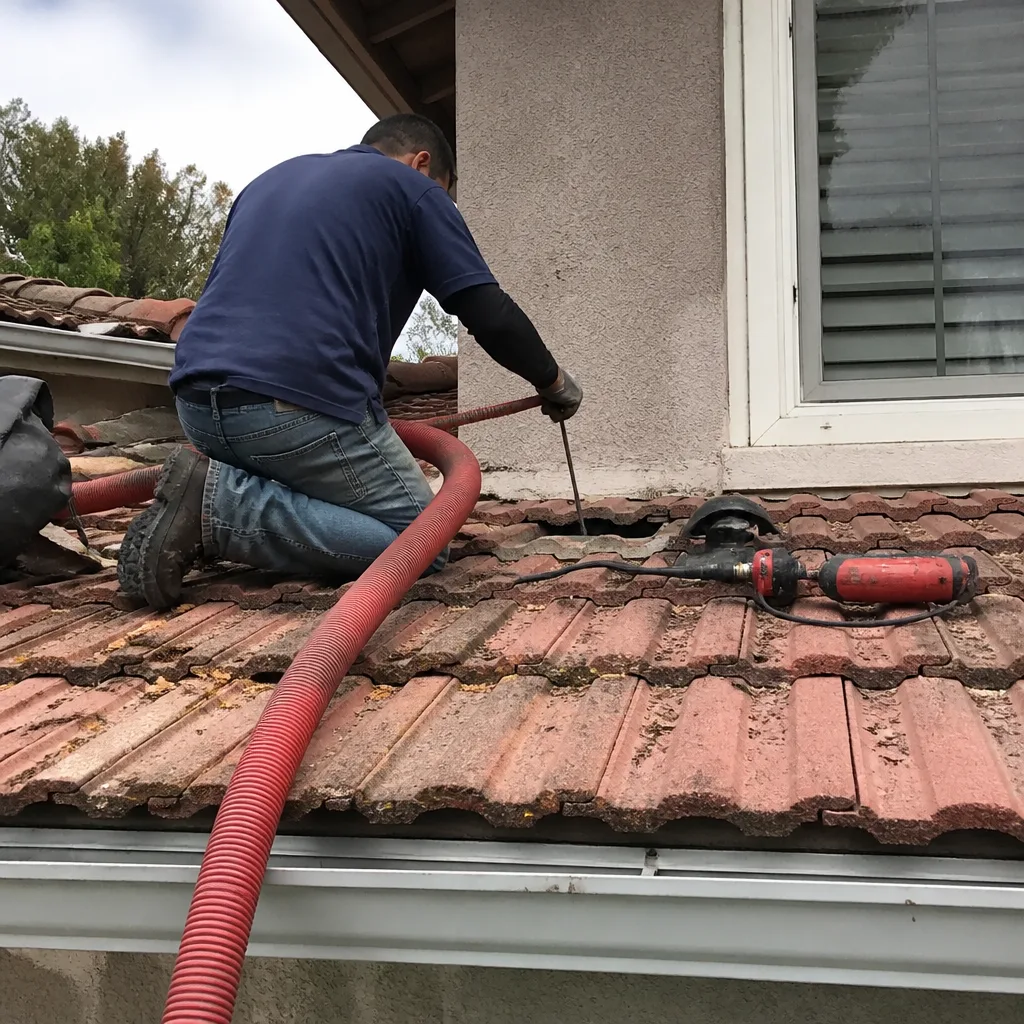 Before
 After
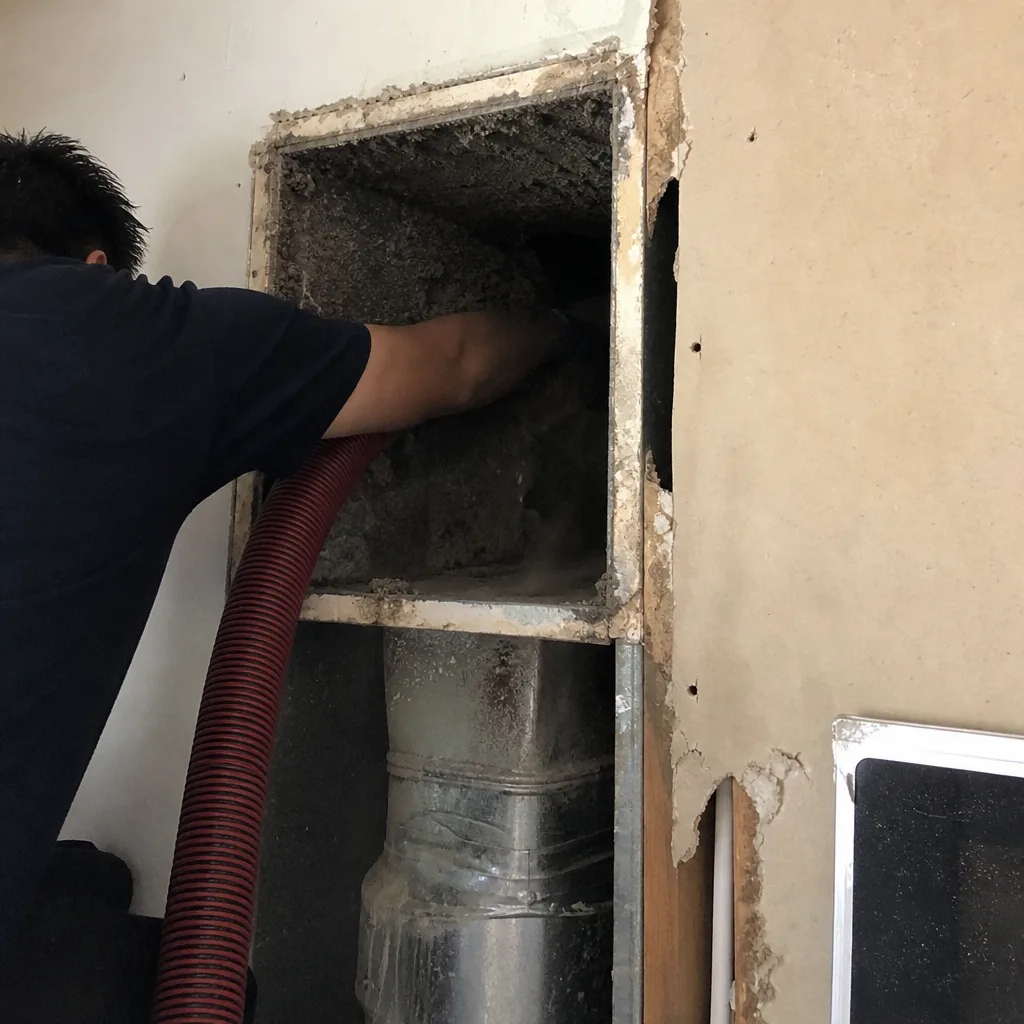 Before
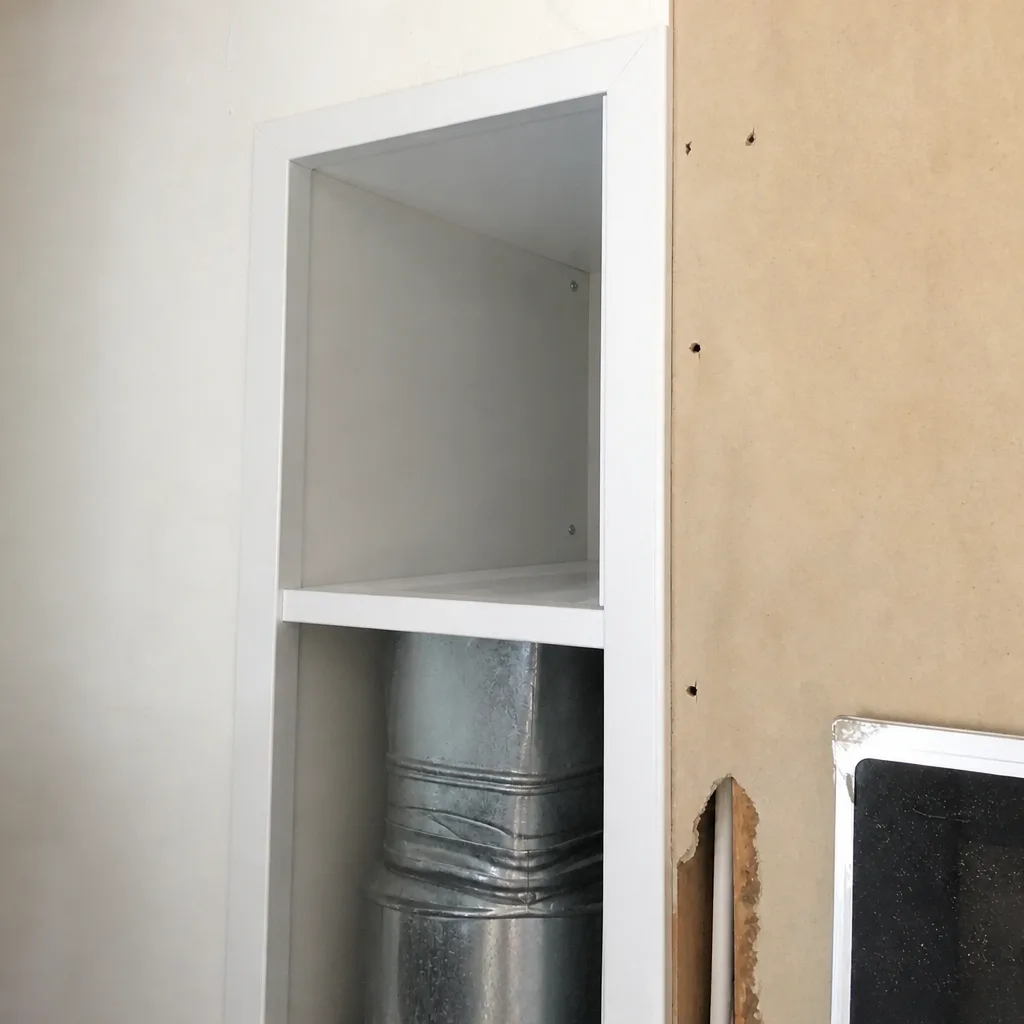 After
 Before
 After
When to Call a Professional
Some duct care is a homeowner’s job: filters, grilles, common sense during smoke events. But there are signs it’s time for a professional assessment. If you’ve noticed a persistent musty smell when the system runs, a sudden dust increase in one or more rooms, visible dark staining around supply or return registers, or a spike in allergy symptoms that tracks with system operation, those are pointers toward a deeper look. The same goes for any home that’s been through a significant wildfire smoke event or a moisture problem. If it’s been more than a year since the last cleaning, or you’ve never had one in the home, a professional cleaning establishes a baseline you can time the seasonal routine to afterward. Rancho Santa Margarita Air Duct Cleaning Pros offers free estimates in Rancho Santa Margarita – call (877) 792-5932. We answer 24/7. Fast dispatch from 7am to 7pm, Sunday through Friday. The price is set per job by the written estimate, with one flat price per system agreed before work starts, and before-and-after photos of your own ducts show what the work actually did.
Frequently Asked Questions
Once a year is a sensible baseline for most homes here, timed before the fall Santa Ana season so the system heads into wind and smoke season clean. Homes with allergy sufferers, pets, recent remodeling or exposure to wildfire smoke may need a second assessment partway through the year. The right interval depends on what your home is exposed to; a proper estimate lets you plan it.
It can, especially if the system was running during the event or if your ductwork has leaks. Fine PM2.5 particles can slip past a clogged filter and travel into the return side, then settle in the ducts. Signs to watch for after a smoke event include a smoky smell at supply registers, a suddenly dirty filter and a spike in surface dust. If you notice those, call (877) 792-5932 for an assessment – estimates are free.
It can create the conditions for it. The combination of elevated humidity and accumulated dust gives mold a food source and moisture; ducts that collected debris over the winter are a receptive environment. Musty odors at startup are the clearest sign that biological growth may be present. Sanitizing after cleaning addresses the growth, and humidity control helps prevent the conditions from returning.
We don’t quote per-vent prices and we don’t use teaser coupon figures. The right number depends on system size, accessibility and what’s found during inspection. We give one flat price per system, agreed in writing before any work starts. That’s the real answer to bait-and-switch concerns in this trade. Call (877) 792-5932 for an exact quote – estimates are free.
Usually because the low number isn’t the final number. A teaser price that turns into per-vent charges, add-on fees and upsells once the technician is on site is a common pattern. We avoid it by giving a flat price per system that’s fixed before work begins, and showing before-and-after photos so you know what you paid for.
Ask for before-and-after photos of your own duct interior, not stock images. A professional cleaning involves opening the system, inspecting the interior and cleaning it with equipment that reaches through the duct runs; photos from inside your ducts show what changed. Commercial-grade systems like Rotobrush and Abatement Technologies reach into the runs in ways that consumer equipment can’t, which is a big part of why the work is verifiable. Call (877) 792-5932 to discuss what a scope of work looks like for your home.
The Bottom Line
Duct care in Rancho Santa Margarita works best as a calendar, not a one-off. Prep in September before the Santa Ana winds, assess and replace filters after any wildfire smoke event, address humidity and mold risk through the March-to-May marine layer, then verify the system before peak summer cooling. Use the South Coast AQMD station data to time filter changes and window swaps rather than guessing. Clean ducts are half the job; sealing and repair address what let contamination in. Add dedicated Rancho Santa Margarita Air Duct Cleaning Pros care for the dryer vent and you’ve got a routine that keeps the home breathing cleanly all year. Call (877) 792-5932 for a free estimate. We answer 24/7. Fast dispatch from 7am to 7pm, Sunday through Friday. One flat price per system, agreed before work starts, and before-and-after photos of your own ducts when the job is done.
Written by the team at Rancho Santa Margarita Air Duct Cleaning Pros.