
Last updated November 23, 2026
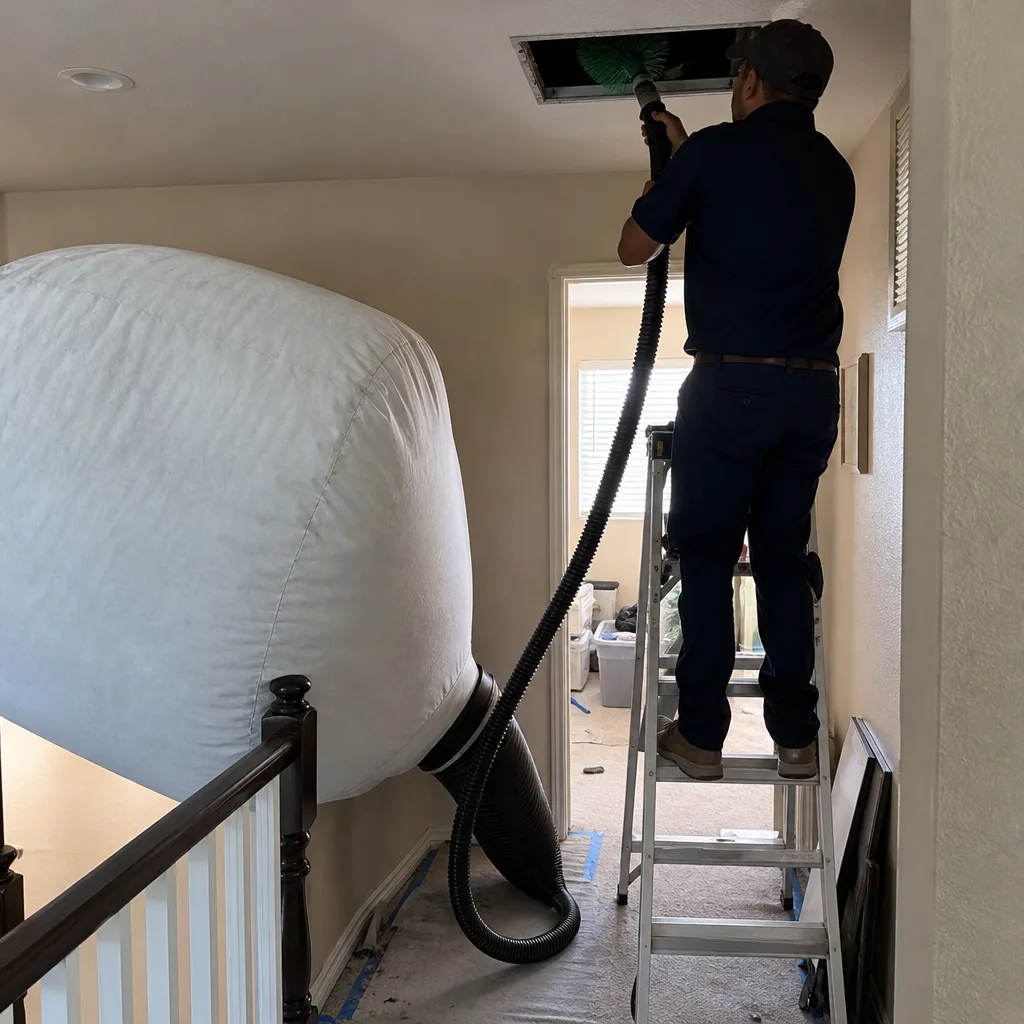
 Whole-home duct cleaning
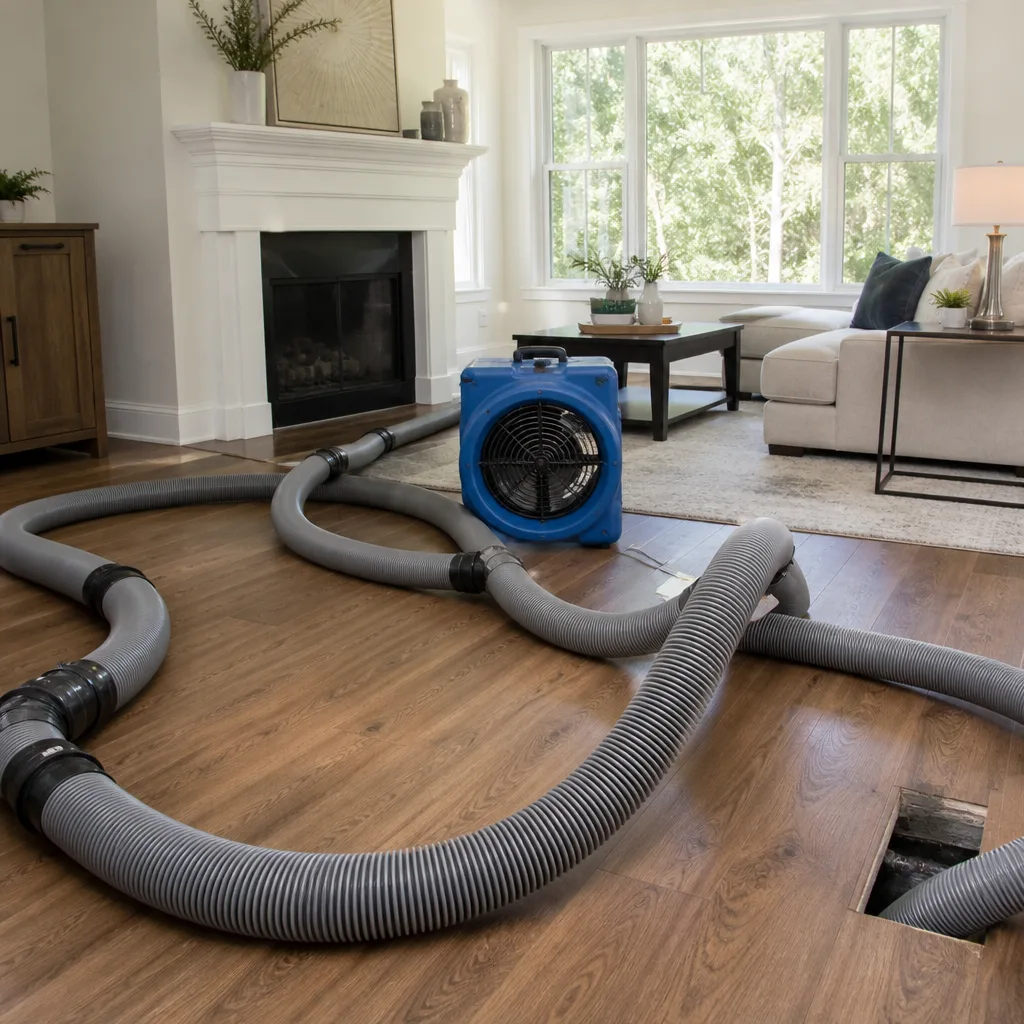
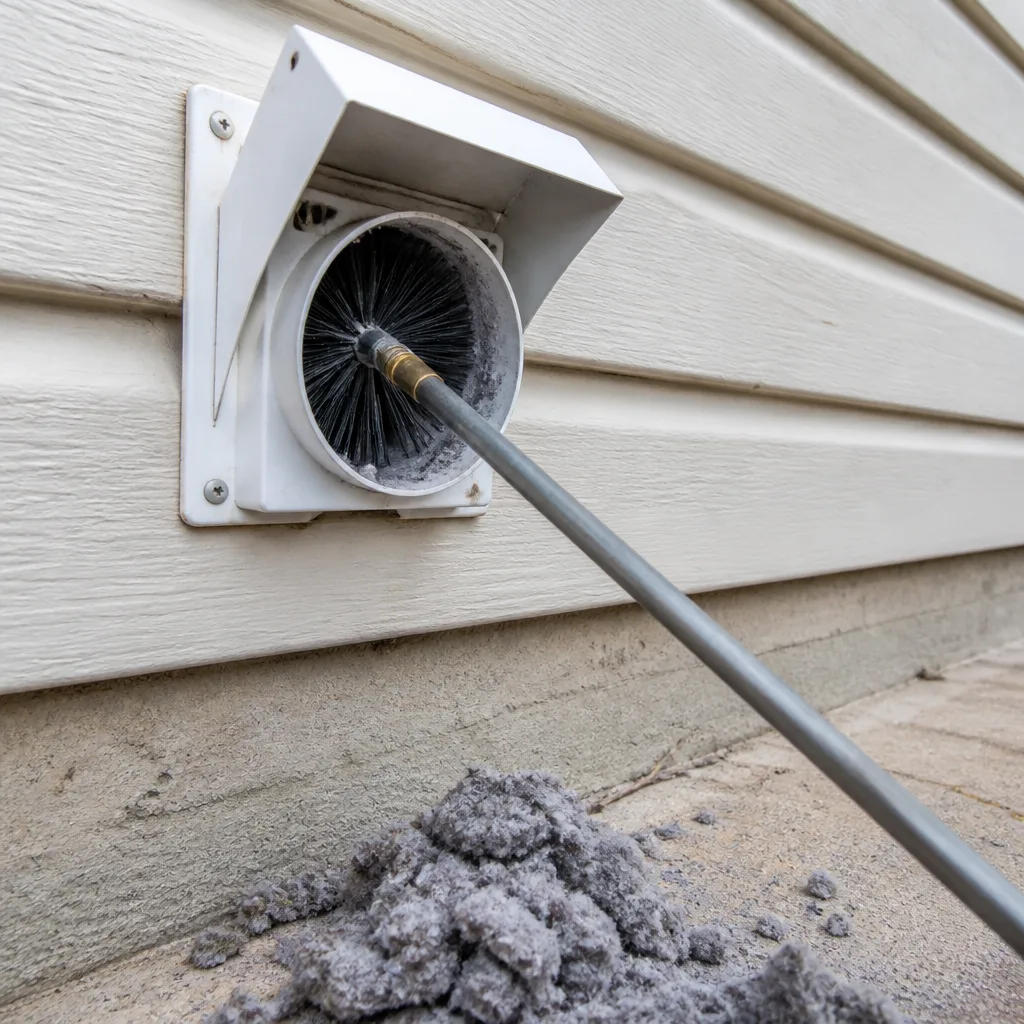 Dryer vent cleaning
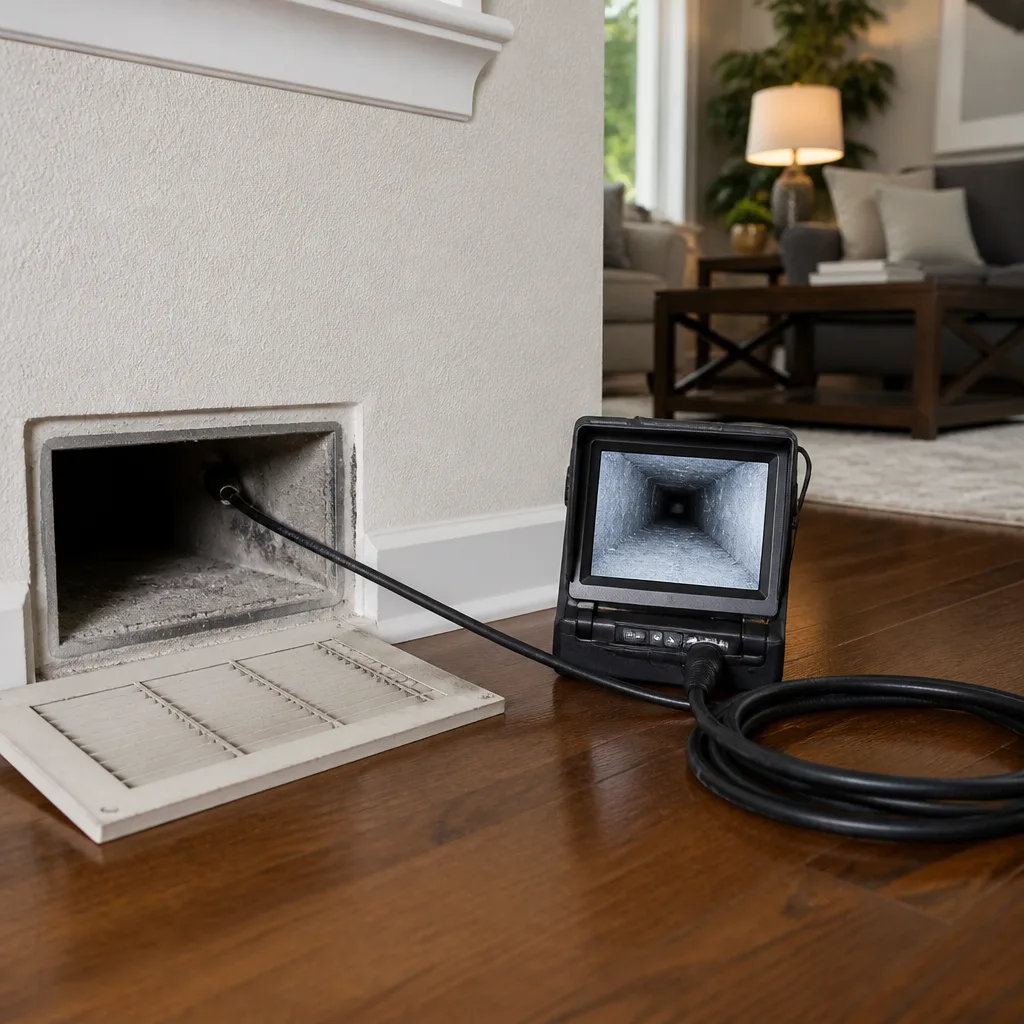 Camera inspection
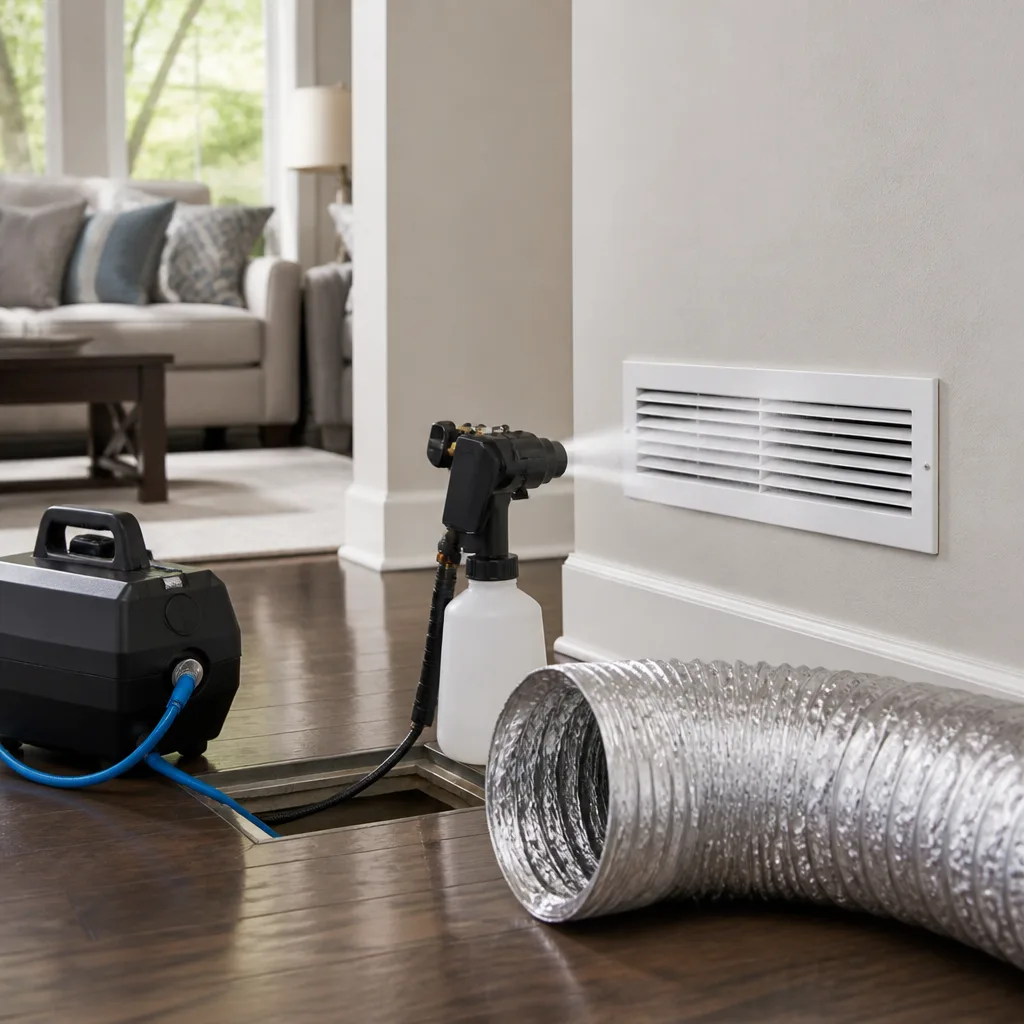 Sanitizing & deodorizing
Whole-system duct and dryer vent check with before-and-after photos - you see exactly what came out of your vents
That "$99 whole-house special" is a bait ad - the real number appears once they are in your hallway, or the "clean" is a shop-vac at the register. We photograph the inside of your ducts before and after instead.
Choosing the Right Air Duct Cleaning Brand: A Buyer’s Guide for Rancho Santa Margarita
Here’s the uncomfortable truth about this trade: a contractor can carry the right certification, hold valid insurance, and have a page of five-star reviews, and still arrive at your door with a vacuum that physically cannot pull enough air to clean a two-story home in Rancho Santa Margarita. Most homeowners never ask about equipment. They ask about price, then they ask about the coupon on the website. The machine that does the actual work gets ignored, and that’s exactly backwards. In this guide we walk through the commercial equipment brands that set the standard, what each system is built to do, the airflow benchmarks worth asking about, and how to vet a contractor with questions that reveal whether they understand their own tools. This is the buyer’s guide we wish every homeowner read before booking.
Quick Answer
The best air duct cleaning equipment brands for residential work are Rotobrush, Abatement Technologies, HEPA-AIRE, and Viper, and the system a contractor runs is the most reliable single indicator of cleaning quality. Truck-mount units that sustain strong negative pressure and HEPA filtration outperform portable vacuums on homes larger than 2,000 square feet. Before you book anyone in Rancho Santa Margarita, ask what equipment they use, how it’s filtered, and whether it can hold the pressure their cleaning method requires.
Styles & brands we work with
- Whole-home duct cleaning
- Dryer vent cleaning
- Camera inspection
- Sanitizing & deodorizing
Table of Contents
- Why Equipment Is the Question Almost Nobody Asks
- The Leading Commercial Duct Cleaning Equipment Brands
- Truck-Mount vs. Portable: The Benchmarks That Matter
- What HEPA Filtration Actually Means and Why It Matters Here
- How to Ask a Contractor About Their Equipment
- What Equipment Capability Unlocks: Sealing, Cameras, and UV
- What’s Different About Duct Systems in Rancho Santa Margarita
- Getting a Free Estimate
Why Equipment Is the Question Almost Nobody Asks
Air duct cleaning is a source-removal job, not a surface-wipe job. Every bit of dust, dander, and debris loosened inside the ductwork has to go somewhere. If the system pulling it out can’t create real negative pressure, that debris goes back into your living room, circulates through your HVAC, and settles on surfaces you just cleaned. The equipment is not a nice-to-have detail. It’s the entire mechanism by which the service works or fails.
Which is why the brand and capability of the machine tell you so much. A contractor running commercial-grade gear from Rotobrush or Abatement Technologies has invested in the thing that does the physical labor. That tells you something about how seriously they take the work. A contractor hauling a shop vac and a spinning brush is limited by physics no matter how friendly they are on the phone.
In our experience, the most valuable question you can ask during a walkthrough in Rancho Santa Margarita is simply: what equipment will you bring, and can I see it? The best contractors answer in specifics. The uncertain ones pivot to price. That single exchange saves homeowners from expensive disappointment.
Once you understand the tools, the rest of the buying decision gets simpler. Cleaning, sealing, repair, and sanitizing all depend on the same foundation: a system capable of moving enough air to do the job right.
The Leading Commercial Duct Cleaning Equipment Brands
Four names come up repeatedly when professional contractors talk equipment. Each has a slightly different focus, and understanding the differences lets you ask smarter questions.
Rotobrush
Rotobrush builds the air duct cleaning system most residential contractors recognize on sight. It combines a high-powered vacuum with a rotating brush head on a flexible hose, letting the technician push a cleaning tool into every branch of ductwork while the vacuum captures the loosened debris. Rotobrush equipment is purpose-built for duct cleaning, not adapted from something else. When a homeowner asks “what brand of duct cleaner are you bringing?” the answer “Rotobrush” is a good sign that the contractor is running a system designed for the job.
Abatement Technologies
Abatement Technologies makes HEPA-filtered air cleaning and containment equipment. Where Rotobrush focuses on the cleaning method, Abatement focuses on air quality and contamination control. Contractors who carry Abatement equipment are equipped for jobs where the contamination load is higher than a routine maintenance clean, whether that’s a home with a long-neglected system, or one recovering from a nearby fire season. Abatement-grade equipment signals capability beyond the minimum.
HEPA-AIRE
HEPA-AIRE is another recognized name in commercial duct cleaning and negative air equipment. Their systems are built around high-efficiency filtration, which keeps the collected debris out of the breathing air. If you have family members with asthma or other respiratory sensitivities in the home, HEPA-grade equipment matters more than the model number on the side of the machine.
Viper
Viper covers a range of duct cleaning machines, including rotary brush units and air-driven tools. It’s a workhorse brand that many contractors use alongside or instead of Rotobrush equipment. Like the others on this list, Viper equipment is manufactured for professional duct work, not consumer use.
What all four share is that they’re built to a commercial standard. If a contractor can’t name the brand they run, that’s not a small red flag. It usually means there’s no system to name.
Truck-Mount vs. Portable: The Benchmarks That Matter
The single biggest performance difference between contractors is not the brand of their equipment. It’s whether the system is truck-mounted or portable.
Truck-mount units are larger, more powerful, and stay in the vehicle. The vacuum connects to the home through a long hose, and the collected debris goes into a large collection tank outside the house. These systems can sustain higher negative pressure for longer periods, which matters in ductwork that runs a long distance or has multiple branches. Portable units can be capable, but they’re limited by the size of the motor, the size of the collection bag, and how much they can pull before needing service.
For homes under 2,000 square feet, a well-maintained portable system can work fine. Once you’re stretching past that, truck-mount capability becomes a legitimate question.
Here’s what to ask:
- What’s the CFM rating of your vacuum? CFM means cubic feet per minute. Ask for a number, not a vague description. A machine with a strong CFM rating pulls more volume per minute, which matters for larger systems.
- What’s the static pressure, and how is it measured at the far register? Static pressure tells you how much pull the system sustains at the end of a run. A powerful machine that loses pressure halfway through a long duct isn’t doing the job at the far end.
- Is the vacuum HEPA-filtered? Filtration keeps the exhaust clean. If the collection bag isn’t fine enough, the fine dust goes back into the air you’re trying to clean.
- Does the machine run continuously for the full cleaning, or does it cycle off? Best practice is vacuum running the entire time debris is being loosened, so nothing escapes when the brush stops.
- Is the equipment truck-mounted, and how long is the hose run? Longer hose runs can lose pressure at the far end, so ask whether they adjust the cleaning method for longer runs.
You don’t need to memorize every spec. You need the contractor to answer without hesitation. A technician who runs a truck-mount system will talk about CFM, static pressure, and hose length the way a mechanic talks about torque. The technical ease is the signal.
What HEPA Filtration Actually Means and Why It Matters Here
HEPA stands for High-Efficiency Particulate Air, and it’s a standard, not a marketing word. A true HEPA filter traps very fine particles, which means the vacuum exhaust coming out of the machine and back into the room stays clean. On a routine duct cleaning this matters for comfort. On a home with more accumulated contamination, or during a season when outdoor air quality is a concern, it matters more.
Rancho Santa Margarita sits in a part of Orange County where the dry inland air and wildfire season both affect how much fine particulate winds up in and around a home. When the Santa Ana winds pick up and smoke pushes inland, the particles riding in through open windows and doors eventually settle. Some of that settles in the ductwork. When those ducts get disturbed during a cleaning without proper filtration on the exhaust, the fine particulate goes back into circulation.
So the HEPA question isn’t just about the machine’s spec sheet. It’s about whether the contractor has thought about your air quality as the end result of the job. A contractor running HEPA-filtered equipment on the exhaust side is treating the cleaning as an air quality service, not just a maintenance task. That’s the standard we build our service around.
If you have a family member with asthma or allergies, ask specifically whether the vacuum exhaust passes through a HEPA filter, and whether the work area gets protected during the process. Both are reasonable, standard questions that a qualified contractor will answer without difficulty.
How to Ask a Contractor About Their Equipment
The goal of these questions isn’t to catch anyone out. It’s to find the contractor who actually understands their tools, because that understanding reliably translates to a better job. Ask these on the phone before you book, and pay attention to whether the answers feel educated or rehearsed.
- “What brand of equipment do you use, and why did you choose it?” A confident answer names the brand and explains the reason. A weak answer names a generic category (“high-powered vacuum”) and moves on.
- “Is your vacuum truck-mounted or portable, and how do you handle properties over 2,000 square feet?” This tests whether they size their approach to the home. A contractor with one tool for every home may not have the right tool for yours.
- “Is the exhaust HEPA-filtered?” A simple yes or no. If the answer is vague, that’s your answer.
- “How do you prevent dust from traveling to other rooms while you’re working?” A real answer involves sealing registers, negative pressure, and containing the work area. A hand-wave answer means they don’t do it.
- “What happens to debris that’s loosened but not immediately captured?” This is a test of whether they understand the mechanics. Good contractors explain that the vacuum runs continuously so loosened debris moves into the collection system as it’s disturbed.
- “Do you offer duct repair and sealing, or just cleaning?” A contractor who only cleans may be leaving leaks in place, which means the ducts recontaminate over time.
Six questions, maybe three minutes on the phone. That’s enough to separate a skilled contractor from a marketing portfolio.
What Equipment Capability Unlocks: Sealing, Cameras, and UV
The equipment a contractor runs determines more than cleaning quality. It determines what other services they can legitimately offer without subcontracting or faking it.
air duct cleaning is the foundation. But cleaning alone leaves leaks and gaps that let new dust and outdoor air back in. Sealing the ducts solves that, and sealing requires equipment designed to deliver sealant into the system under controlled conditions. A contractor who offers sealing but can’t explain the equipment they use for it is offering something they can’t actually perform.
Camera inspection is similar. Real inspection requires a camera system small enough to travel through duct runs, with enough resolution to identify damage, gaps, or heavy accumulation. A contractor who says “we inspect as we clean” without a camera system is describing a visual scan of the register, not the duct interior. Both are useful, but they’re not the same thing.
UV sanitizing integration is the third capability. Some systems support UV lamps installed inside the air handler or ductwork to help reduce microbial growth. That’s a real service, but the equipment has to be compatible with the system. A contractor who can talk through compatibility is one who’s done it before.
We carry Rotobrush and Abatement Technologies equipment so a single visit can handle HVAC cleaning, dryer vent cleaning, and air quality work without bouncing between vendors. When you’re buying this service, buy the version where the same people own the whole scope.
What’s Different About Duct Systems in Rancho Santa Margarita
Homes in Rancho Santa Margarita tend to sit somewhere between two categories. The newer tracts and remodeled homes often run flexible ductwork, which has different cleaning requirements than rigid metal. Flexible duct can’t take an aggressive rotary brush without risking damage to the liner, so contractors have to adjust the cleaning method. Older homes in neighborhoods like Robinson Ranch and Dove Canyon frequently run rigid metal duct with branch takeoffs that can build up heavy debris at the joints. The equipment has to be able to handle both.
The climate context is straightforward. Warm, dry inland air means the AC runs a lot from late spring into fall, which means the system moves a large volume of air through the ducts every year. More air movement means more dust accumulation. Homes in Rancho Santa Margarita that haven’t had their ducts cleaned in several years often have noticeably higher debris loads than the homeowner expects, which is why sizing equipment to the actual system matters.
Housing style adds another variable. Two-story homes are common, and duct runs from a second-floor air handler can extend 40 to 60 feet before reaching the final register. That’s a long run for a portable vacuum to pull against. Truck-mount systems handle the distance better, which is one reason we lean on commercial-grade equipment for the full-system work we do in Rancho Santa Margarita.
Homeowners here also run into the everyday reality of indoor air: pollen from native landscaping, dust from nearby foothills, and seasonal smoke. Ductwork becomes the quiet repository for all of it. Which is why a cleaner that only reaches the first few feet of the main trunk isn’t doing the job you’re paying for.
Common Mistakes to Avoid
- Booking on price alone. The lowest quote is often from a contractor with the smallest equipment, and a cheap job that doesn’t remove debris leaves you paying twice. Compare the equipment before you compare the invoice.
- Skipping the equipment question entirely. If you never ask what brand of equipment they use, you’re trusting marketing to stand in for capability. Ask on the phone, before the visit.
- Confusing “we clean ducts” with “we repair ducts.” Cleaning without sealing leaves the leaks that let new contamination back in. A contractor who treats cleaning and repair as separate jobs creates a gap you’ll pay for later.
- Ignoring the dryer vent. Dryer vents are a documented fire risk and deserve their own attention. If your contractor treats the dryer vent as an afterthought to the duct cleaning, ask why it’s not part of the scope.
- Accepting “we’ll be in your area” without a written scope. Some contractors scale their service to whatever fits the schedule. Ask for a written scope that lists each system they’ll touch and what cleaning method they’ll use on each.
- Assuming a coupon quote is the final price. A teaser price that turns into additional charges once the technician is on site is a well-known problem in this trade. Ask for one flat price per system, agreed before work starts.
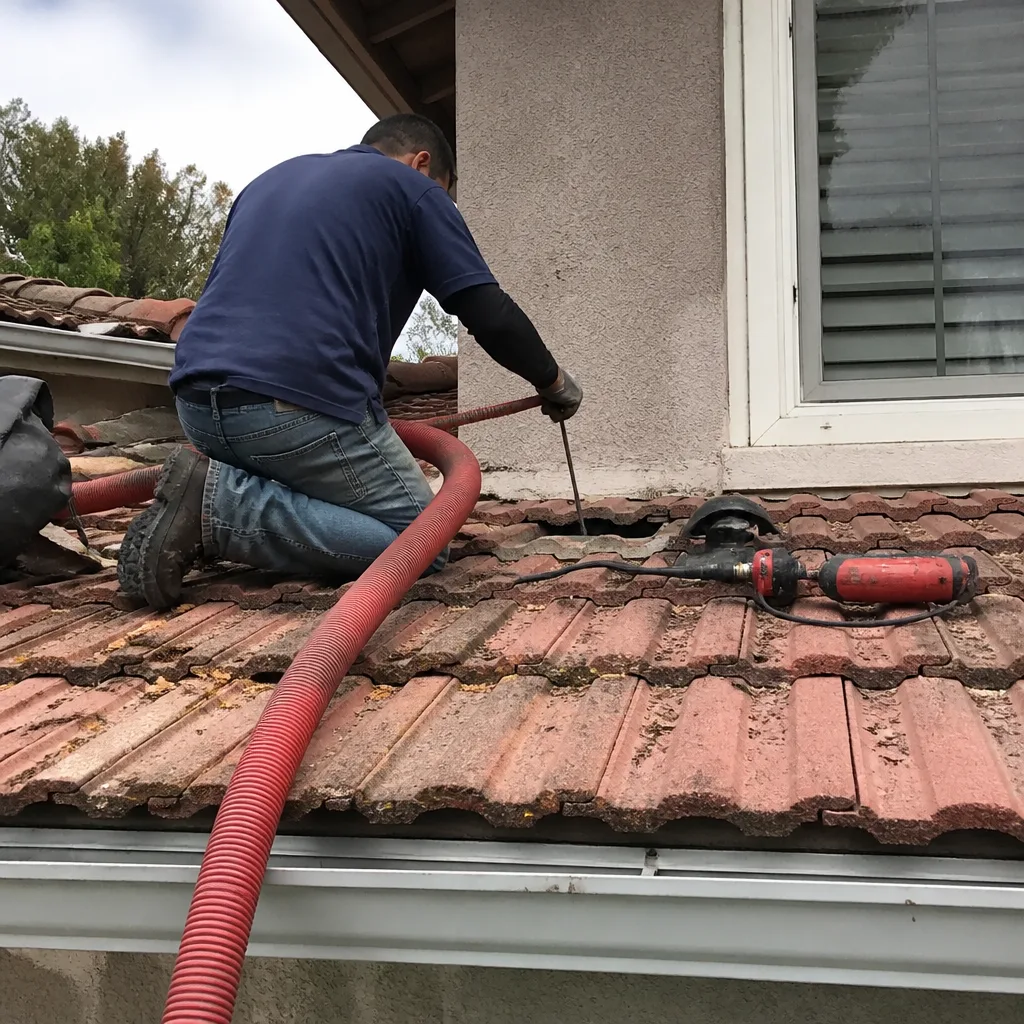
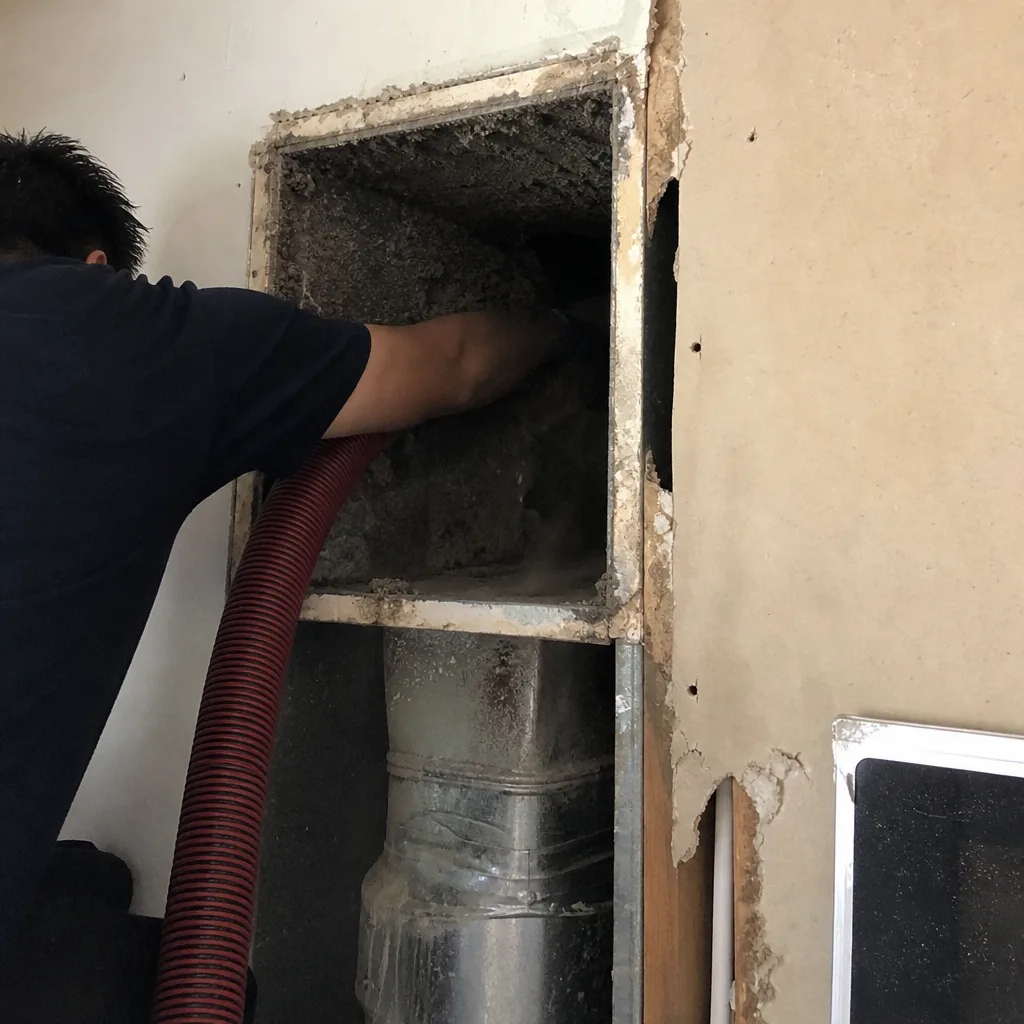
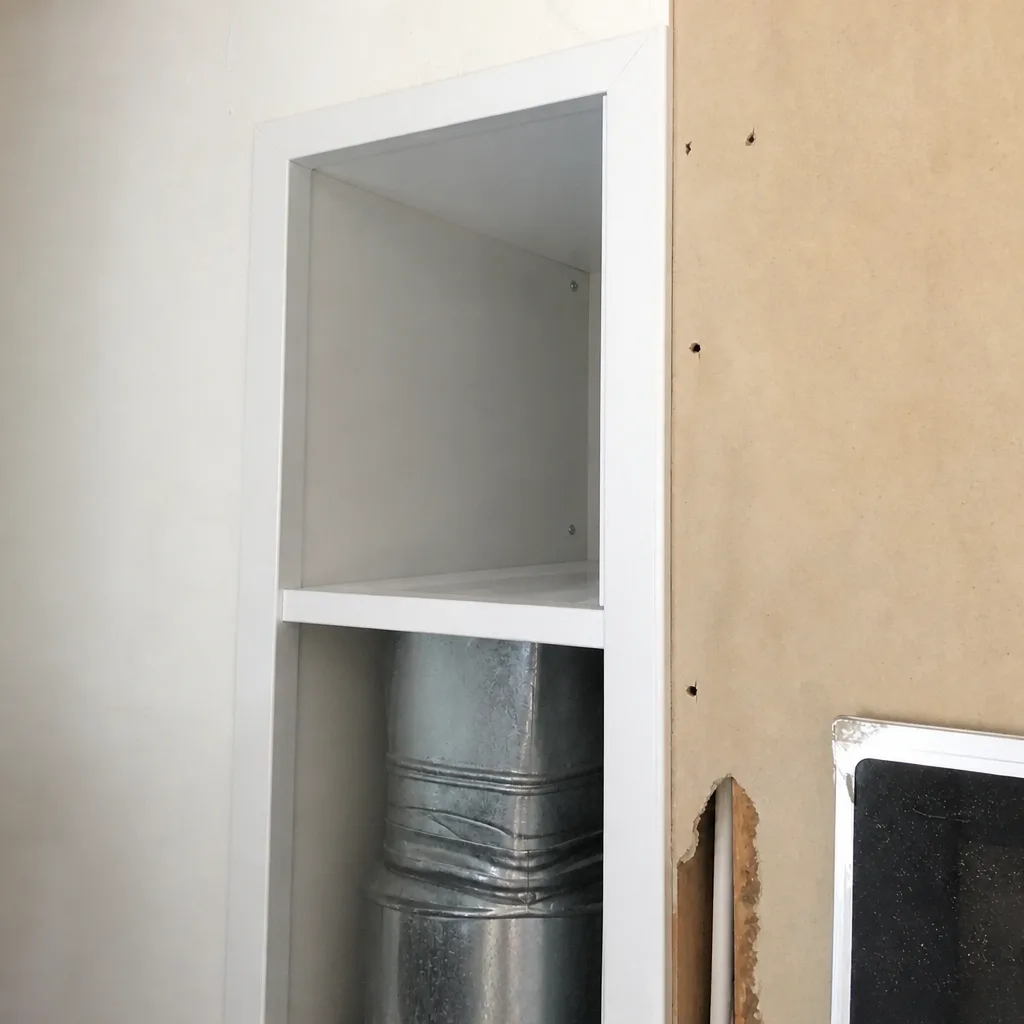
- Skipping the post-clean check. Before-and-after photos of your own ducts are reasonable to request. If the contractor doesn’t take them, you can’t verify what was cleaned.
See the difference
 Before
 After
 Before
 After
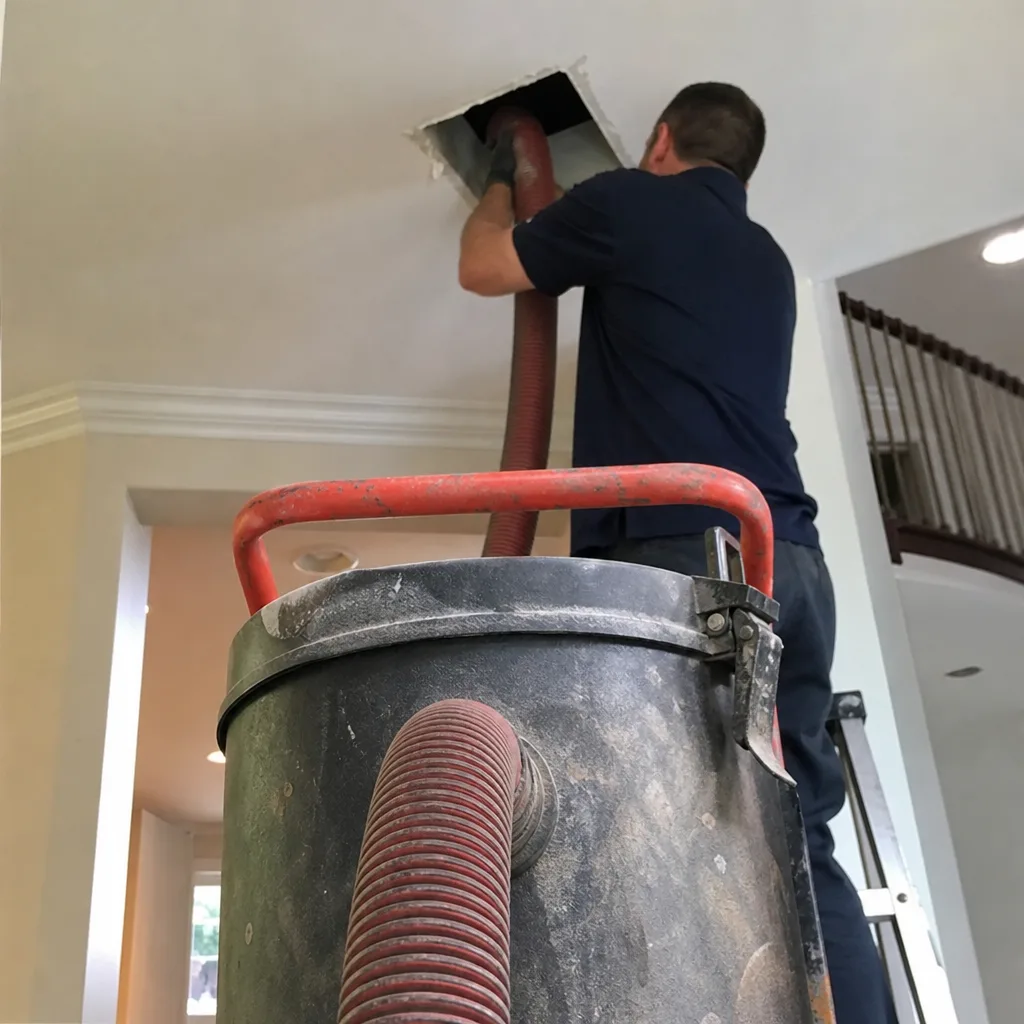 Before
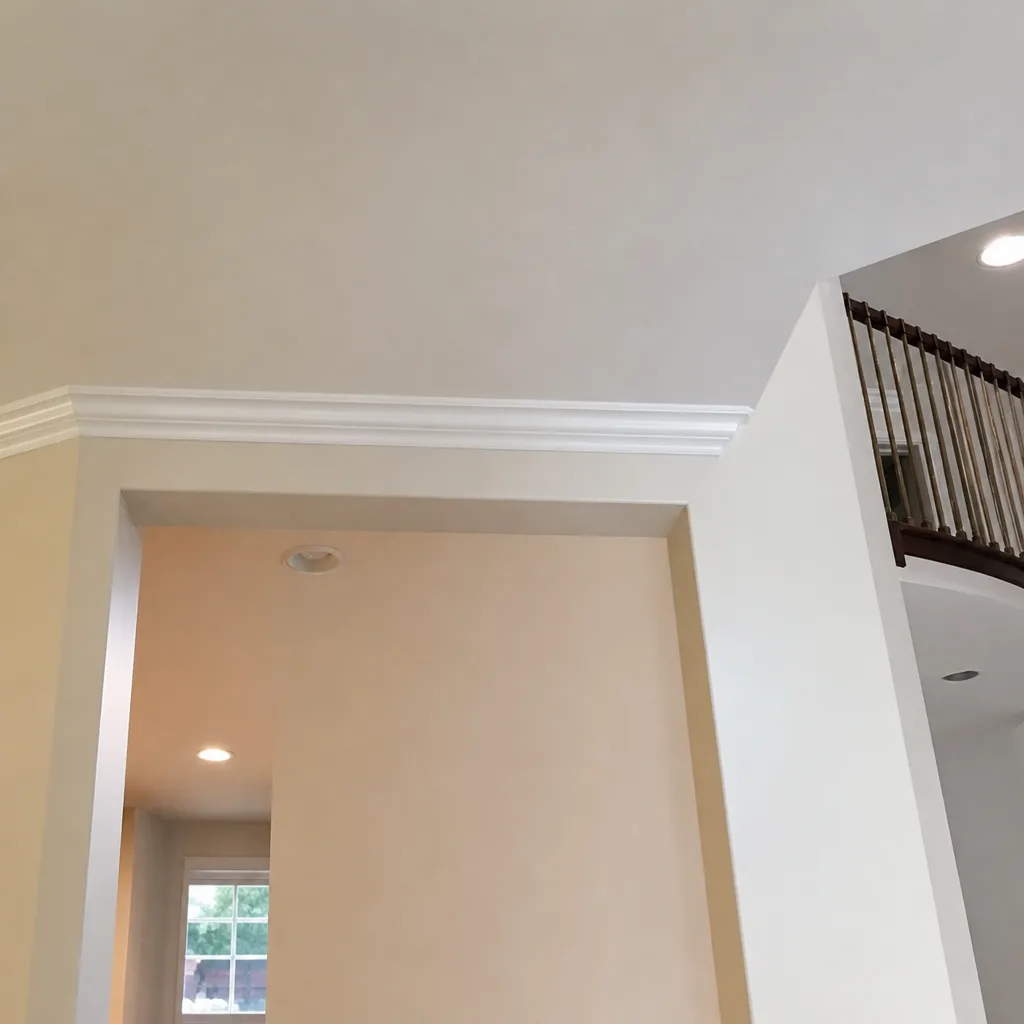 After
When to Call a Professional
There’s a short list of scenarios that push a home from “schedule a cleaning eventually” to “call this week.” Visible dust blowing from registers when the AC kicks on. A musty smell that shows up whenever the system runs. Allergy symptoms that get worse indoors, especially after the system switches on. A renovation or remodel that’s left drywall dust in the house. A dryer taking noticeably longer to dry clothes. Rising energy bills with no obvious cause. Any of these means the ducts are likely either contaminated or leaking, and both are problems a professional can actually solve.
Rancho Santa Margarita Air Duct Cleaning Pros offers free estimates in Rancho Santa Margarita – call (877) 792-5932. We answer 24/7. Fast dispatch from 7am to 7pm, Sunday through Friday. We bring commercial-grade equipment from brands like Rotobrush and Abatement Technologies, so the same visit that cleans can also seal, sanitize, and handle the dryer vent. Written scope before work starts, one flat price per system.
Frequently Asked Questions
Rotobrush and Abatement Technologies are both excellent choices for residential work, and HEPA-AIRE and Viper are also recognized names in the commercial duct cleaning trade. The brand matters less than the specification: a purpose-built commercial system with strong suction, HEPA filtration, and enough capacity to handle the size of your home. Ask which brand and which model before you book.
Not always, but for homes over 2,000 square feet with long duct runs, truck-mount equipment gives the vacuum the pressure and capacity to clean the far end of the system properly. Homes under 2,000 square feet with compact systems can sometimes be cleaned well with a properly maintained portable unit. The right answer depends on your home, which is why a real walkthrough matters. Call (877) 792-5932 for a free estimate.
Price depends on the size of the home, the number of systems, the condition of the ducts, and whether sealing or sanitizing is included. Duct cleaning, dryer vent cleaning, and repair are usually priced separately because each covers different work. Call (877) 792-5932 for an exact quote – estimates are free.
Cheaper quotes usually reflect a smaller equipment investment, a shorter scope, or a teaser price that grows once the technician arrives. A contractor running commercial-grade equipment from Rotobrush or Abatement Technologies carries real overhead, and that overhead buys the cleaning itself. Ask what equipment each quote includes. Call (877) 792-5932 if you want a written scope to compare against.
Ask for before-and-after photos of your own ducts, taken during the visit. A contractor running commercial equipment should be able to show the register and the trunk line before and after cleaning. If photos aren’t offered, ask for them. A one flat price per system agreed before work starts is another way to protect yourself from a scope that shrinks once payment is made.
Most homes benefit from a professional cleaning every few years, but the schedule depends on the home. Homes with pets, recent renovations, or family members with allergies usually need it more often. Homes in Rancho Santa Margarita that run the AC heavily through the summer often benefit from a closer look. Call (877) 792-5932 for a free assessment.
The Bottom Line
Equipment is the single most reliable indicator of cleaning quality in the air duct trade, and almost no homeowner thinks to ask about it. Rotobrush, Abatement Technologies, HEPA-AIRE, and Viper are the commercial brands that set the standard. Truck-mount systems sustain stronger pressure for larger homes. HEPA filtration keeps the exhaust air clean. Sealing, camera inspection, UV integration, and repair all depend on having the right equipment base. If you want a cleaner for your Rancho Santa Margarita home that shows up with commercial-grade gear, asks smart questions, and gives you a real written scope with one flat price per system, that’s the whole point of our service. Rancho Santa Margarita Air Duct Cleaning Pros brings the same tools commercial contractors use to your front door.
Call (877) 792-5932 to book a free estimate. We answer 24/7. Fast dispatch from 7am to 7pm, Sunday through Friday. Estimates are free, the price is set per job by the written estimate, and the scope is agreed before any work starts.
Written by the team at Rancho Santa Margarita Air Duct Cleaning Pros.