
Last updated November 23, 2026
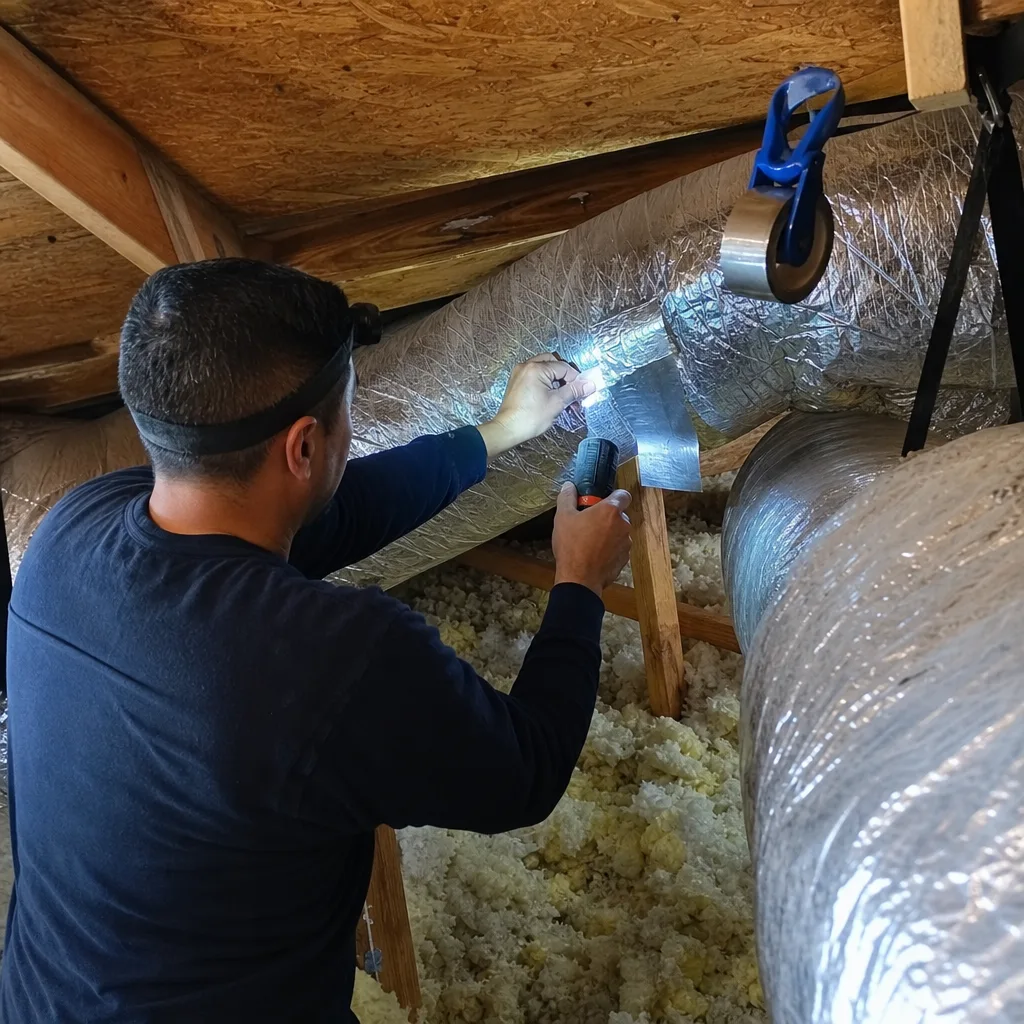
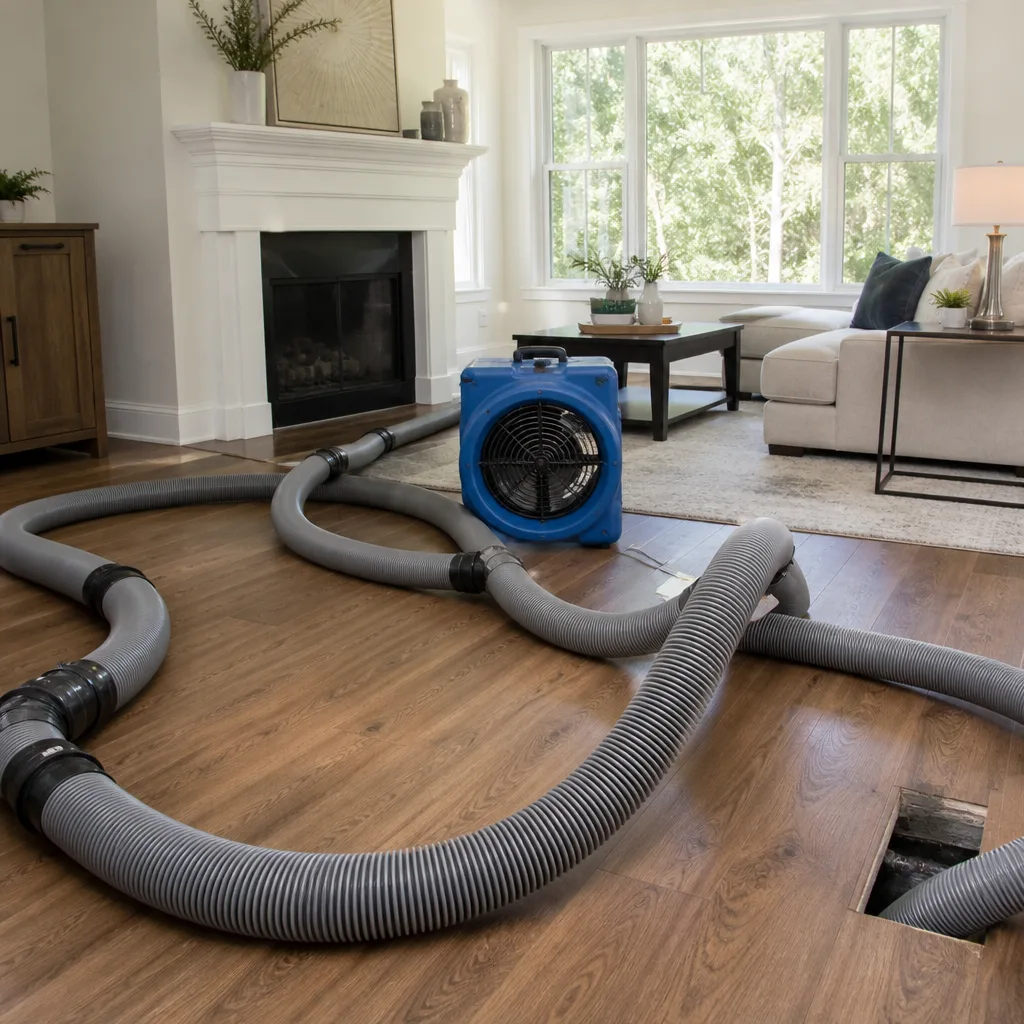 Whole-home duct cleaning
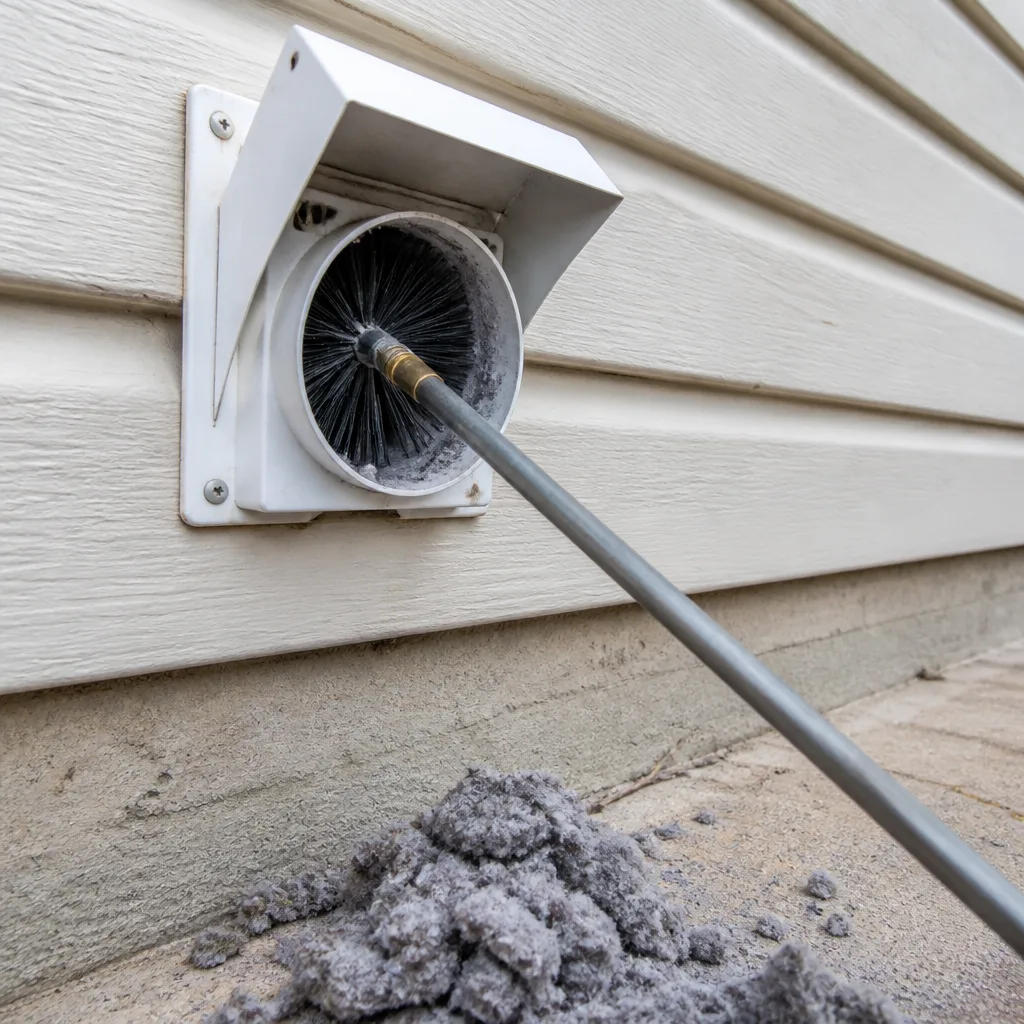 Dryer vent cleaning
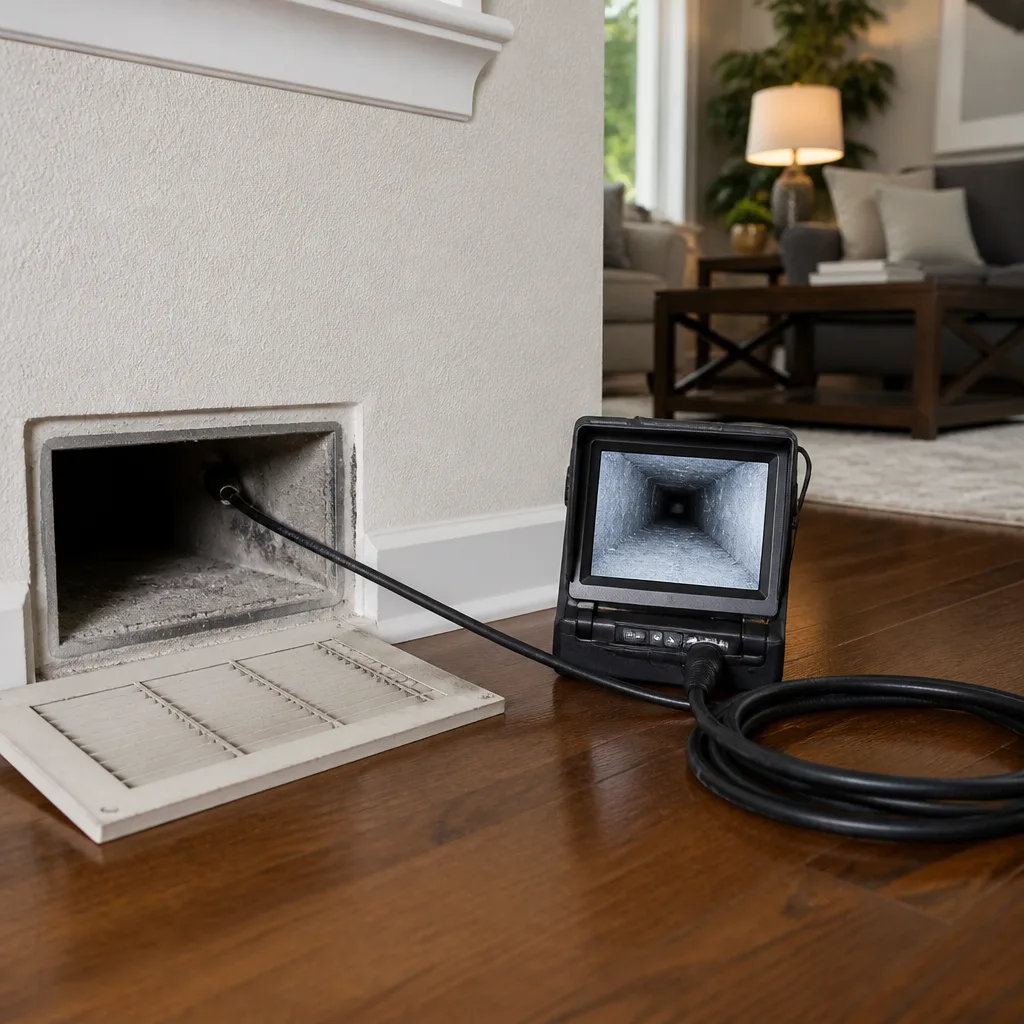 Camera inspection
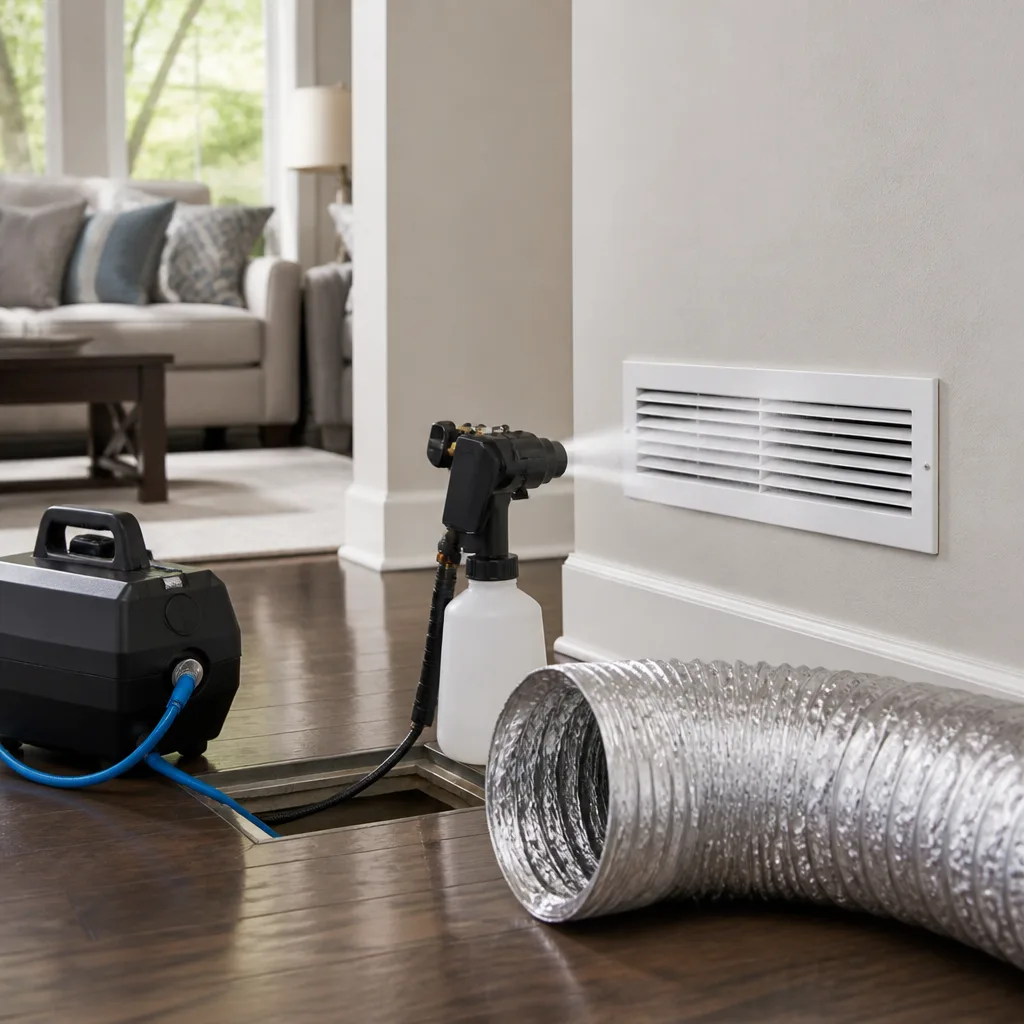 Sanitizing & deodorizing
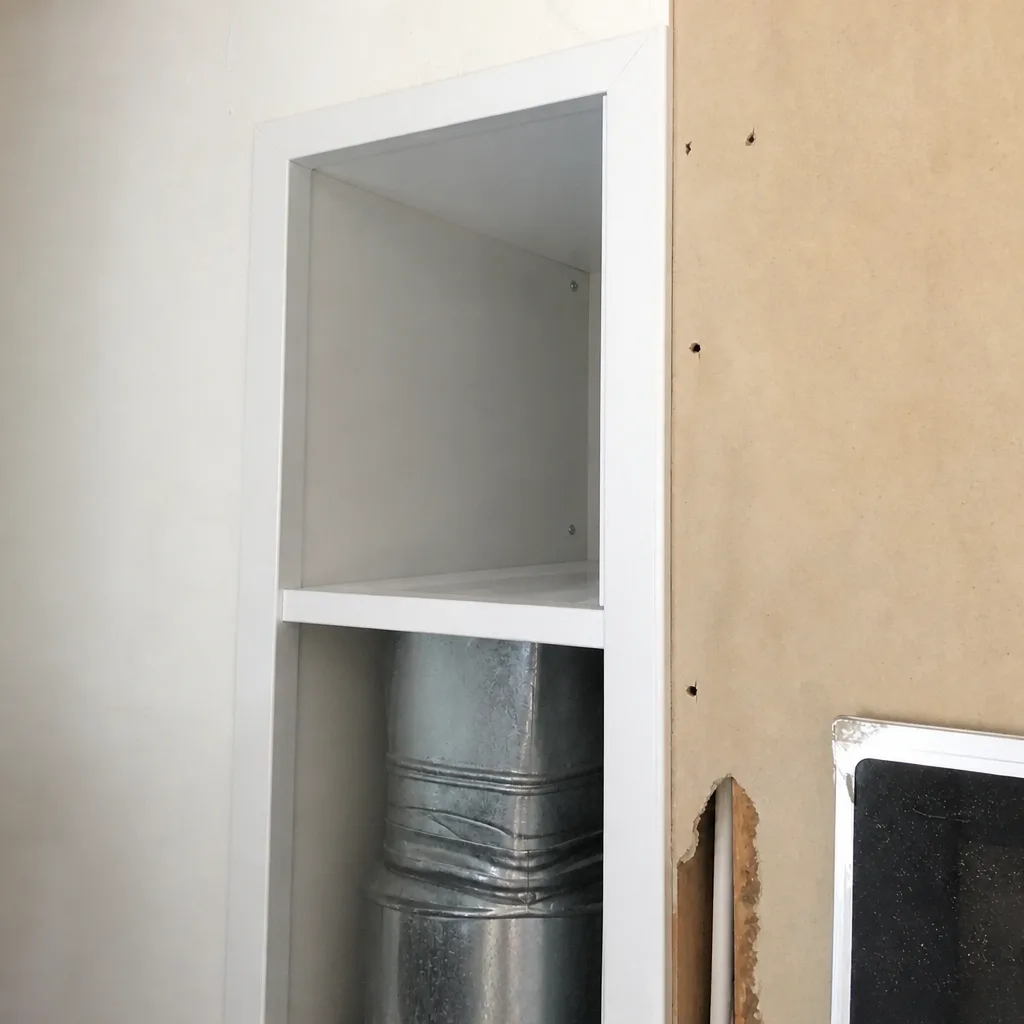
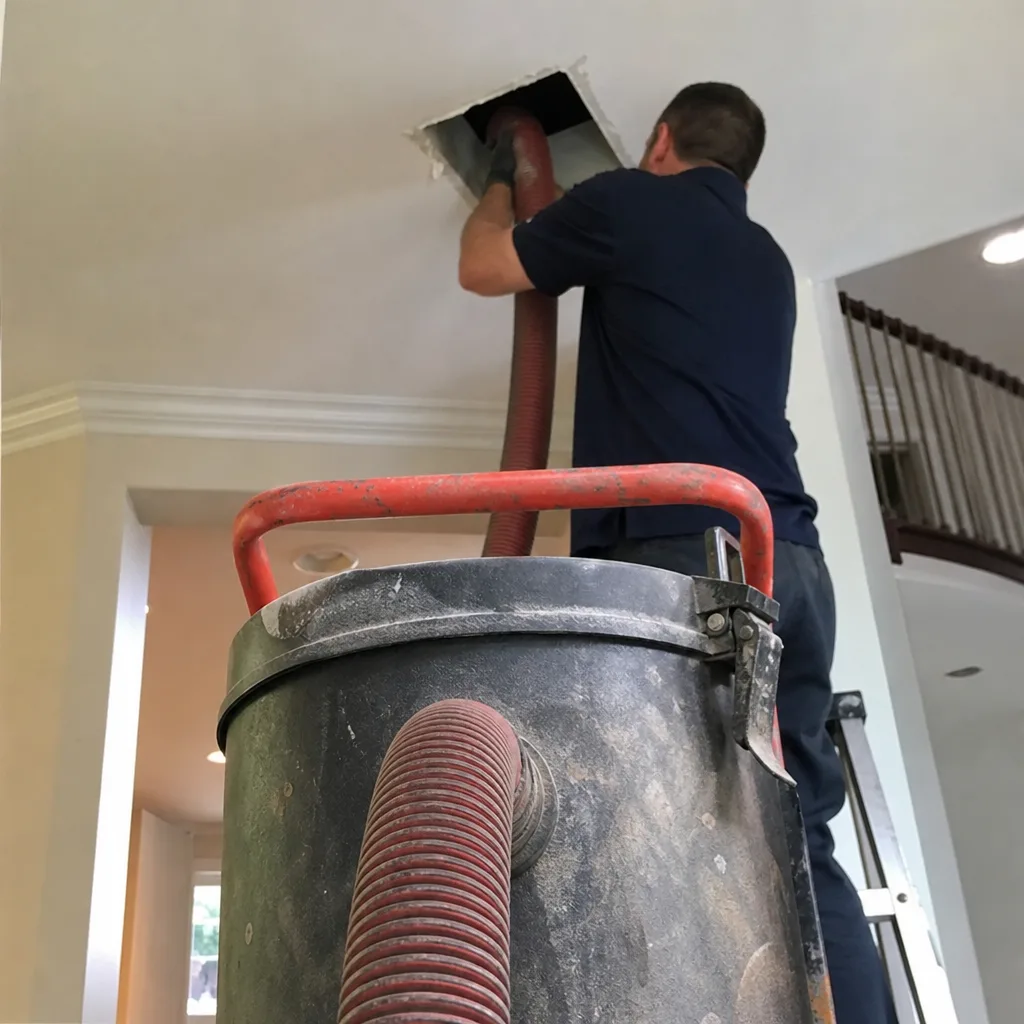
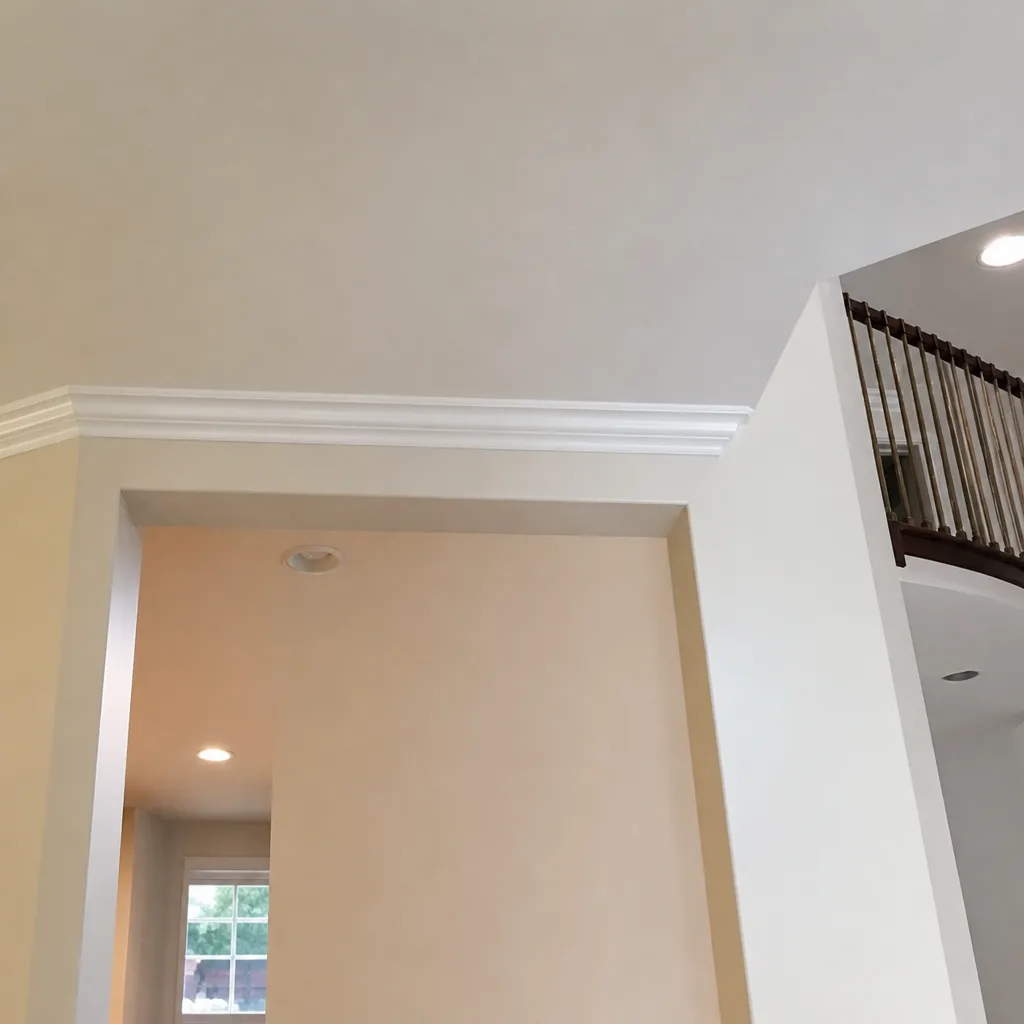
Whole-system duct and dryer vent check with before-and-after photos - you see exactly what came out of your vents
That "$99 whole-house special" is a bait ad - the real number appears once they are in your hallway, or the "clean" is a shop-vac at the register. We photograph the inside of your ducts before and after instead.
Air Duct Cleaning Emergency Preparedness Guide for Rancho Santa Margarita Homes
Most homeowners think about their ducts only when something smells wrong. The counterintuitive truth is that the worst contamination doesn’t announce itself with an odor. Smoke and fine ash can settle deep inside a duct system while the house sits sealed and closed, and the air you breathe afterward carries it back into every room without a hint. Rancho Santa Margarita sits against wildland that has burned before and will burn again, so the question isn’t whether a fire event will reach your street but whether your home’s air system is ready when it does. This guide covers exactly what to do with your HVAC in the first 24 hours after a nearby fire, how to judge for yourself whether your ducts took on contamination, what sanitizing actually involves, and how to build a preparedness kit before the next Santa Ana wind event.
Quick Answer
In the first 24 hours after a nearby wildfire, shut the HVAC system off, seal vents and any gaps around the air handler, and keep windows and doors closed until outdoor air quality improves. Once the smoke clears, run the system briefly with a fresh MERV-13 filter and have the ductwork inspected if you notice smoke odor, visible ash at the registers, or a musty smell that won’t fade. Cleaning is warranted when there’s real particulate deposition or lingering odor, not automatically after every fire; a qualified duct professional can tell you which situation you’re in.
Styles & brands we work with
- Whole-home duct cleaning
- Dryer vent cleaning
- Camera inspection
- Sanitizing & deodorizing
Table of Contents
- What to Do With Your HVAC in the First 24 Hours After a Fire
- How to Assess Whether Your Duct System Was Contaminated
- Smoke Odor vs. Particulate Deposition: Why the Response Differs
- What Emergency Duct Sanitizing Involves
- Building Your Pre-Event Preparedness Kit
- Why Rancho Santa Margarita’s Location Makes This a Recurring Risk
- Filter Strategy: MERV Ratings and What They Actually Do
- The Dryer Vent: A Separate Fire-Safety Concern
What to Do With Your HVAC in the First 24 Hours After a Fire
Your HVAC system is an air mover. During a fire event, if it keeps running while windows crack open or smoke seeps through gaps, it pulls that contaminated outdoor air straight into the ductwork and distributes it through every room. The single most useful thing you can do in the first hours is stop that distribution. Here’s the sequence we walk homeowners through in Rancho Santa Margarita when a fire is burning within a few miles.
- Shut the system off at the thermostat first. Set it to Off, not just a temperature. Don’t wait to see how bad the smoke gets; shut it down as soon as you know a fire is nearby and the wind is pushing toward you.
- Close every window and exterior door. Sealing the envelope reduces how much smoke infiltrates. A sealed home isn’t airtight, but it slows the load dramatically.
- Seal the obvious gaps. Tape over gaps around window frames and the air handler closet if smoke is visibly entering. Cover exterior vents and any fresh-air intake if your system has one.
- Leave the system off until outdoor air clears. Don’t run it while ash is still falling and air quality is poor. A running fan with a dirty filter just circulates fine ash.
- When the air improves, swap in a fresh MERV-13 filter before restarting. Replace it after the first run, because the filter will likely load up fast. Then let the system run normally.
- Record what you saw. Note where smoke entered, whether registers showed ash, and whether odor lingered. That record helps a technician diagnose contamination later and tells you whether cleaning is warranted.
The instinct to crack a window for fresh air during a fire is understandable and usually wrong. Smoke doesn’t go out because you let it. It goes in because you let it, along with more from outside. Keep the house closed, ride it out, and address the ducts once the event has passed.
How to Assess Whether Your Duct System Was Contaminated
You don’t need a contractor’s blessing to form a reasonable first read on this. Most of the signs are visible or smellable, and a homeowner can gather the evidence in fifteen minutes with a flashlight. What a contractor adds is the ability to look inside registers and the air handler with a camera and to judge how much of what you’re seeing is normal dust versus fire-related deposition.
Run through these checks after the event, once the outdoor air has settled:
- Look at the return-air registers. Shine a light into the grille and along the first foot of duct. Fine gray or black ash coating the metal or the flex liner suggests smoke made it inside.
- Check the supply registers in the rooms that sat closed. If unused rooms show ash and used rooms don’t, the system likely pulled contamination in through a return near a leak.
- Smell the air at each register on first run. A faint campfire smell that fades within an hour is common and often resolves with a filter swap. A smell that persists or intensifies means contamination is sitting in the ducts.
- Look at the air handler closet. Dust and ash on the blower and coil-facing surfaces tell you the system pulled particulate through the filter and past it.
- Watch for soot streaking around the filter slot. Soot that bypassed the filter leaves a telltale dark line where the air leaked past the frame.
In our experience working Rancho Santa Margarita homes near the foothills of the Santa Ana Mountains, the houses that take on the most contamination aren’t the ones closest to the fire. They’re the ones that kept the HVAC running while the smoke plume passed over. A home two miles downwind can end up worse off than the neighbor next door who shut the system down. That’s why the shutdown procedure matters more than proximity.
If your own checks turn up obvious ash at the registers and a lingering smoke smell, it’s time for a professional look. If the registers are clean and the odor faded after a filter swap, cleaning may not be urgent. An air duct cleaning visit will tell you definitively, and it’s usually worth the call to remove doubt.
Smoke Odor vs. Particulate Deposition: Why the Response Differs
These are two different problems that get treated as one, and the confusion leads to a lot of oversold cleaning after a fire. Smoke odor is volatile organic compounds and fine particles clinging to surfaces. Particulate deposition is the actual layer of ash, soot, and charred material that settled on the inside of the ductwork. You can have one without the other, and the response protocol differs.
Odor without deposition typically means smoke passed through the system briefly but the particulate didn’t settle deeply. A filter swap, a run cycle, and time often resolves it. Aggressive sanitizing here is usually overkill and, frankly, unnecessary spending.
Deposition without odor is the more common and more insidious case. Ash settled on the duct surfaces but the volatile compounds dissipated with the smoke, so the house smells fine even though there’s a layer of particulate sitting in the liner. A system with ash in the ducts will cycle those fine particles into the living space with normal operation. This is the situation that justifies cleaning even when your nose tells you everything is fine.
Both at once means cleaning plus a sanitizing step is the fuller answer. Physical removal addresses the ash, and a sanitizing treatment addresses the odor-causing residue the removal leaves behind. This is where equipment capability matters. If a system has taken on contamination-level ash, our technicians bring Abatement Technologies equipment alongside the standard Rotobrush and Nikro cleaning systems, because the extraction and containment requirements are different from routine cleaning.
The takeaway: don’t let odor be your only test. Look for deposition separately. A house that smells clean can still have a loaded duct system.
What Emergency Duct Sanitizing Involves
Sanitizing is a fogging or misting treatment that puts a disinfectant fog through the duct system after the physical contamination is removed. It doesn’t replace cleaning; it’s a second step. The physical debris has to come out first, then the sanitizing treatment addresses residual odor and microbial growth. Done in the wrong order, sanitizing a loaded system just coats the ash in place.
Here’s what the full sequence looks like for a Rancho Santa Margarita home coming off a fire event:
- Assess and document the contamination. Photograph the registers, the return, and the duct interior before anything else.
- Physical cleaning with the right equipment. Rotobrush and Nikro systems agitate and extract the settled particulate from the duct surfaces. Commercial-grade rotary tooling does this in a way consumer equipment cannot.
- Capture and containment. A sealed vacuum setup runs during cleaning so the removal doesn’t spill ash into the living space.
- Sanitizing treatment. Once the ducts are clean, a Guardsman-backed protection treatment runs through the system to address residual odor and inhibit microbial regrowth.
- Repair and seal any gaps. A duct system that leaks at the boots and joints will pull fresh contamination back in within a season. Rancho Santa Margarita Air Duct Cleaning Pros handles duct repair and sealing as part of the same visit so the fix holds.
- Filter replacement and verification. Fresh MERV-13 filter in, system run briefly, before-and-after photos handed to the homeowner.
When is sanitizing warranted versus oversold? It’s warranted when there’s confirmed odor or microbial growth, when ash extraction turned up contamination at the moderate-to-heavy scale, or when the home sat sealed through an extended fire event. It’s likely being oversold if a contractor recommends it after every routine cleaning without evidence. A technician who can’t show you what’s in your ducts and explain why sanitizing is warranted is selling a service, not a fix. The full scope, from physical cleaning through sealing, takes the better part of a day for most homes. It’s a scheduled job, not a quick stop.
Building Your Pre-Event Preparedness Kit
You don’t need to predict the next fire to be ready for it. A handful of simple items, kept together in a labeled bin near the air handler, cuts the panic in the first hours. The point isn’t to avoid cleaning after a fire; it’s to protect the system during the event so you come out the other side with less contamination and less cost.
- Fresh MERV-13 filters. Keep at least two in the bin. The filter is your first line of defense during a smoke event and the first thing to replace after. Buy the right size for your system now so you’re not hunting for the right number while smoke is in the air.
- Foil HVAC tape. For sealing gaps around the air handler closet and any fresh-air intake during a smoke event. Foil tape, not duct tape; duct tape degrades fast in heat.
- A laminated shutoff card taped to the air handler. Write down the shutoff procedure: thermostat to Off, breaker location, any supply-air switch. Note it in plain language so anyone in the house can follow it without thinking. During a fire, you want a procedure, not a puzzle.
- A pre-vetted contractor contact. Know who you’ll call before you need to call. The right call isn’t the cheapest number in a search result; it’s the one whose equipment and scope you’ve already confirmed. A pre-event call to (877) 792-5932 is a good way to settle that question, and a free estimate gives you a baseline.
- A simple assessment log. A single page recording filter change dates, any duct work done, and where registers sit in each room. During a fire, you’ll remember where to check.
- A N95 mask per household member. For the hours after an evacuation order lifts, when the air is still marginal.
The bin takes twenty minutes to put together and saves the hard decisions for when the wind is up and the fire is close. For homeowners in Rancho Santa Margarita with young children or family members with asthma or other respiratory conditions, the felt cost of smoke inside the house is higher than any other household, so the preparation is worth doing.
Why Rancho Santa Margarita’s Location Makes This a Recurring Risk
Rancho Santa Margarita sits at the edge of the Cleveland National Forest, ringed by wildland canyon on multiple sides. That’s the wildland-urban interface, and it’s a genuinely different fire-risk profile from most of Orange County. When Santa Ana winds drive a fire through the canyon, the smoke plume can pass directly over neighborhoods inside the city and hold there for hours. The 2020 Silverado Fire is the reference point most locals still remember: parts of Rancho Santa Margarita went under evacuation warning while the air went foul for days.
What that means for your HVAC is that fire-related contamination doesn’t need a fire on your street. It needs a fire in your airshed. A fire burning miles away in the canyon can push enough smoke over a Rancho Santa Margarita neighborhood that any home running its system through the event pulls particulate in. The neighborhoods nearest the canyon edge, and the higher elevations around Robinson Ranch and the foothill homes facing the Santa Ana Mountains, tend to see more smoke exposure than the lower-elevation homes nearer the center of town, but the difference is often one of degree rather than kind.
The repeat nature is the part most homeowners underestimate. A duct cleaning after one fire can be undone by another fire two years later. So it’s worth building the preparation as a standing routine, filter replacements and system shutoffs, not a one-time reaction. When we walk a Rancho Santa Margarita home through its HVAC system, we’re thinking about what’s coming next, not just what happened last.
Filter Strategy: MERV Ratings and What They Actually Do
A MERV-13 filter catches fine smoke particulate far better than the basic fiberglass filters most homes run, and it’s the right choice for a Rancho Santa Margarita home likely to face repeated smoke events. Higher isn’t always better: a MERV rating too high for your system’s airflow can choke the blower. MERV-13 is the sweet spot for most residential systems in this area.
The key point that gets lost in fire-season advice is this: a filter protects the system and the air only if it’s fresh and correctly sized, and a clogged filter is the liability. A MERV-13 that’s been in place six months is a MERV-13 doing almost nothing. Change it when the fire event passes, and change it again after the first full run cycle if smoke was heavy. Keep spares.
If you want to go beyond the filter itself, this is where HVAC cleaning becomes relevant. Ash that gets past the filter settles on the blower, the coil, and the interior cabinet surfaces. Cleaning the HVAC components themselves, not just the ducts, is the difference between a system that runs clean and one that keeps cycling deposited ash. Honeywell and Aprilaire filtration and humidity-control upgrades are also worth a conversation after a fire event, because they extend the protection beyond what a box filter can do alone. Your system works as one unit; the cleaning and filtration choices should follow that logic.
The Dryer Vent: A Separate Fire-Safety Concern
The same weeks after a fire event are a good time to look at the one vent in your house that runs a separate fire hazard all year. Lint accumulation in a dryer vent is a recognized fire risk, and NFPA guidelines call out vent cleaning as a fire-prevention measure. Fire season is an easy reminder to schedule that dryer vent cleaning alongside the duct work. Same visit, one coordinated scope.
Ash deposition and lint don’t share a cause, but they share a household. A home in Rancho Santa Margarita that’s already had technicians out for post-fire duct cleaning is a home where the dryer vent can be checked in the same visit with no extra trip. It’s a kind of preparedness most people forget until they smell hot lint on a load of towels.
Common Mistakes to Avoid
- Running the HVAC during the smoke event. The single most common mistake. A thermostat left on “auto” will cycle the fan whenever the temperature triggers it, pulling smoke into the duct system. Shut it off completely.
- Cracking a window for fresh air. In a fire event, outside air is the problem, not the solution. Keep the house sealed until air quality improves.
- Buying the cheapest post-fire cleaning. After a major fire, cheap bids appear everywhere. A low price almost always means a shop vac and no containment, which just spreads ash. Ask what equipment is used and whether before-and-after photos are included.
- Skipping the sealing step after cleaning. Cleaning a leaking duct system is half a job. The system will recontaminate through the same leaks within a season. Duct repair and sealing is what makes the cleaning stick.
- Replacing the filter once and calling it done. The first MERV-13 filter after a fire can load up within days. Check it again after the first run cycle.
- Assuming odor means contamination, or no odor means none. Both assumptions are wrong half the time. Look for actual deposition at the registers independently of what you smell.
- Ignoring the air handler itself. Duct cleaning that skips the blower and coil leaves the main distribution point contaminated. Scoot the scope to include the HVAC components.
See the difference
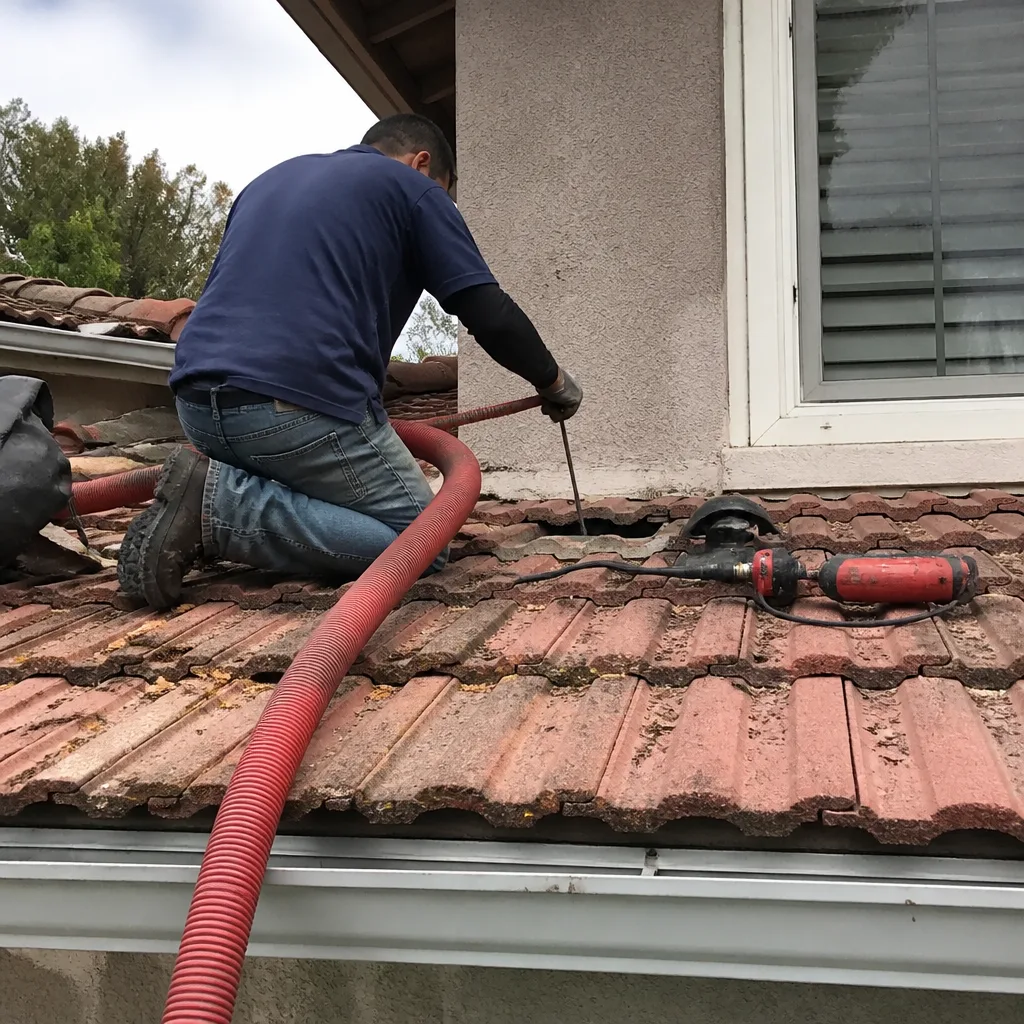 Before
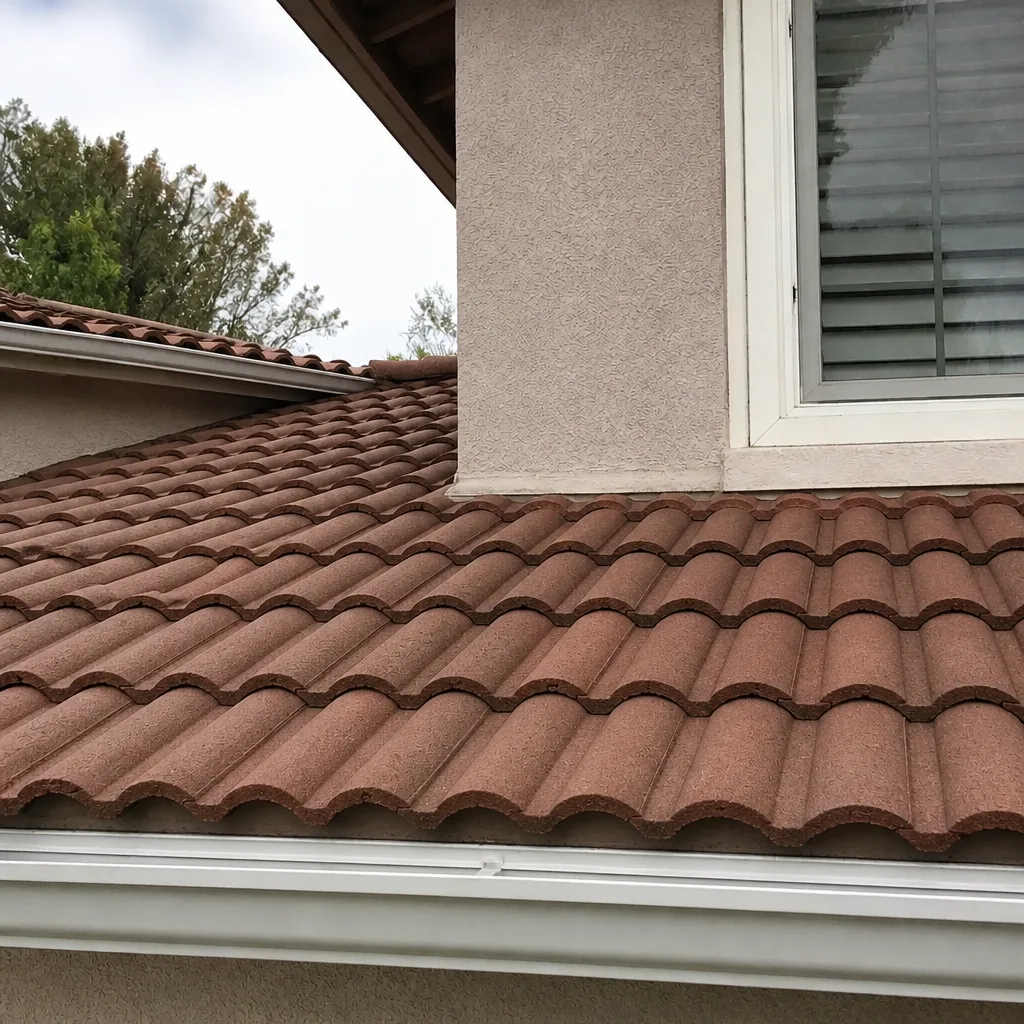 After
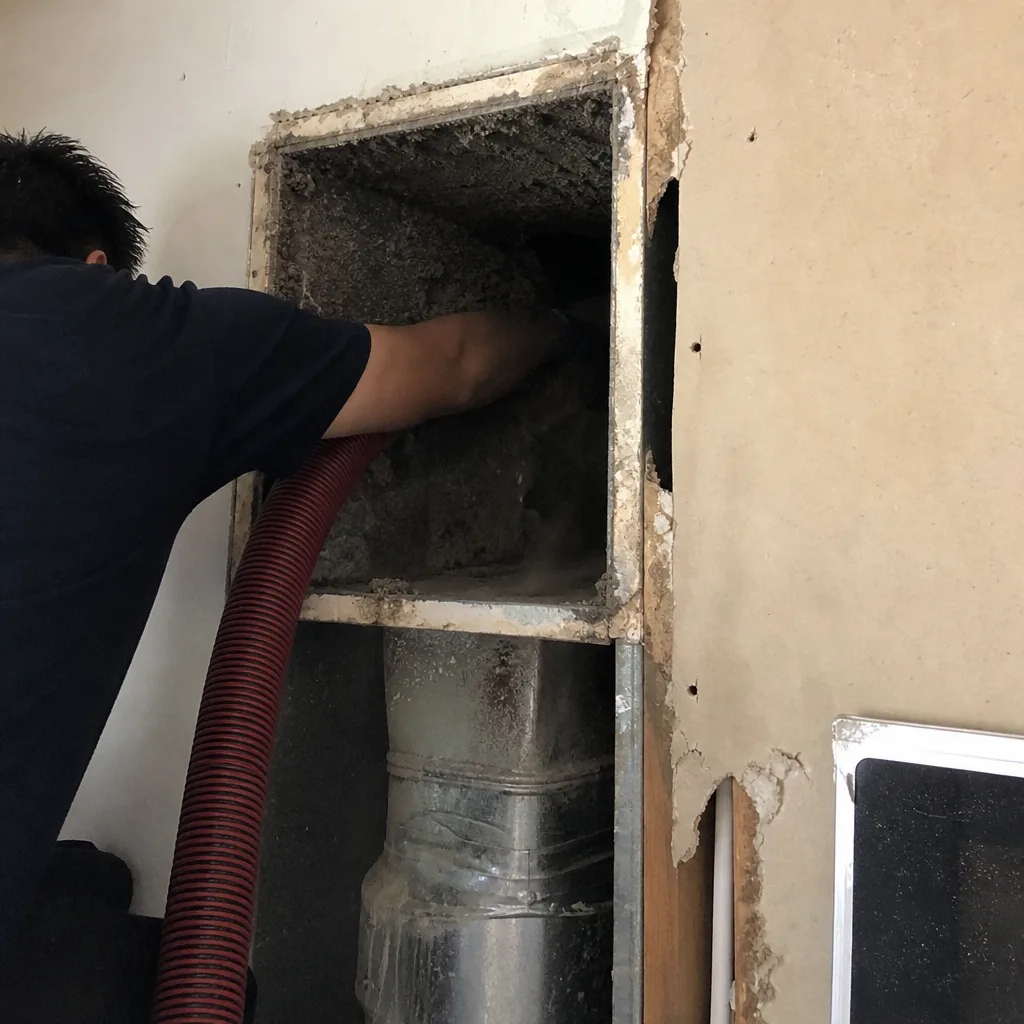 Before
 After
 Before
 After
When to Call a Professional
Call a professional when you’ve done the homeowner-side checks and the answer is still unclear, or when the evidence already points to real contamination. Specifically: visible ash at multiple registers, a smoke smell that persists past a filter swap, a sealed home that sat through a major fire event, or a young child, senior, or family member with asthma or another respiratory condition in the household. Add to that list any home with ductwork that hasn’t been cleaned and sealed in years, because the fire event sits on top of existing buildup, and the combined load is harder to clear.
Rancho Santa Margarita Air Duct Cleaning Pros offers free estimates in Rancho Santa Margarita at (877) 792-5932. We answer 24/7, with fast dispatch from 7am to 7pm, Sunday through Friday. Our technicians have up to 15 years of experience and bring commercial-grade equipment to the system, with before-and-after photos of your own ducts so you can see what was actually removed.
Frequently Asked Questions
Run the system briefly with a fresh MERV-13 filter, then check for deposition at the registers before assuming everything is fine. Outdoor air smelling clean doesn’t guarantee your ducts are clean; ash that settled during the event can still be sitting in the liner. If smoke persisted for days near your home, have the ducts inspected before long run cycles. Call (877) 792-5932 for a free estimate if you’d like a technician to look.
Look for fine gray or black ash at the return and supply registers, soot streaking around the filter slot, and dust on the blower face inside the air handler. A smoke smell that fades after a filter swap is usually residue, not contamination. A smell that persists, or visible ash at the registers, means contamination is sitting in the ducts. Call (877) 792-5932 for an on-site look; a pro can camera the interior and give you a straight answer.
Sanitizing is a fogging treatment run through the duct system after physical cleaning, using a Guardsman-backed protection treatment to address residual odor and inhibit microbial regrowth. It’s not a first step; the ash has to come out first. The full scope, cleaning plus sanitizing plus sealing, takes most of a day for a typical Rancho Santa Margarita home. Call (877) 792-5932 for a free estimate and an honest read on whether your system needs the sanitizing step or just cleaning.
Cheap quotes usually mean the wrong equipment, no containment, and no sealing. A shop vac with no sealed vacuum setup redistributes ash into your living space rather than removing it, so you pay a small invoice and end up with the same problem plus more dust. Ask what equipment is used and whether before-and-after photos are included. Call (877) 792-5932 for a free estimate built on what the job actually requires, not a teaser price.
After a major smoke event that affected your airshed, plan on a cleaning if your own checks show ash or lingering odor. Between fire events, most homes benefit from cleaning and sealing every few years, and sooner if you see buildup at the registers or rising dust in the house. Wildland-urban interface homes tend to sit on the shorter end of that window. Call (877) 792-5932 for a free estimate and current equipment we can bring to your system.
Shut the HVAC system off at the thermostat before you leave or before smoke arrives, close every window and exterior door, and leave the system off until outdoor air clears. Once you return and the air is better, swap in a fresh MERV-13 filter and check the registers for ash before restarting. Call (877) 792-5932 if you come back to a smoke smell that won’t clear; we answer 24/7, with fast dispatch from 7am to 7pm, Sunday through Friday.
The Bottom Line
Rancho Santa Margarita’s position against the wildland makes fire-related contamination a recurring reality, not a one-off. The single most important step is shutting down the HVAC in the first hours of a fire event to keep smoke from being pulled into the ductwork and distributed through the house. After the event, look for actual deposition at the registers rather than relying on smell alone. Cleaning is warranted when there’s real ash or persistent odor; sanitizing is a second step after physical removal. Build the preparedness kit, keep fresh MERV-13 filters on hand, and know who you’ll call before you need to. Our technicians have up to 15 years of experience and use commercial-grade Rotobrush, Nikro, and Abatement Technologies equipment so the work gets done fully the first time.
Get a Free Estimate
When smoke has been through your neighborhood and you’re unsure what it left behind, the cheapest next step is a free estimate from a technician who can look. Rancho Santa Margarita Air Duct Cleaning Pros offers free estimates in Rancho Santa Margarita. Call (877) 792-5932. We answer 24/7. Fast dispatch from 7am to 7pm, Sunday through Friday. Full-system scope, before-and-after photos of your own ducts, and one flat price agreed before work starts, so you know the number before anyone touches the system.
Written by the team at Rancho Santa Margarita Air Duct Cleaning Pros.