
Last updated November 23, 2026
 Whole-home duct cleaning
 Dryer vent cleaning
 Camera inspection
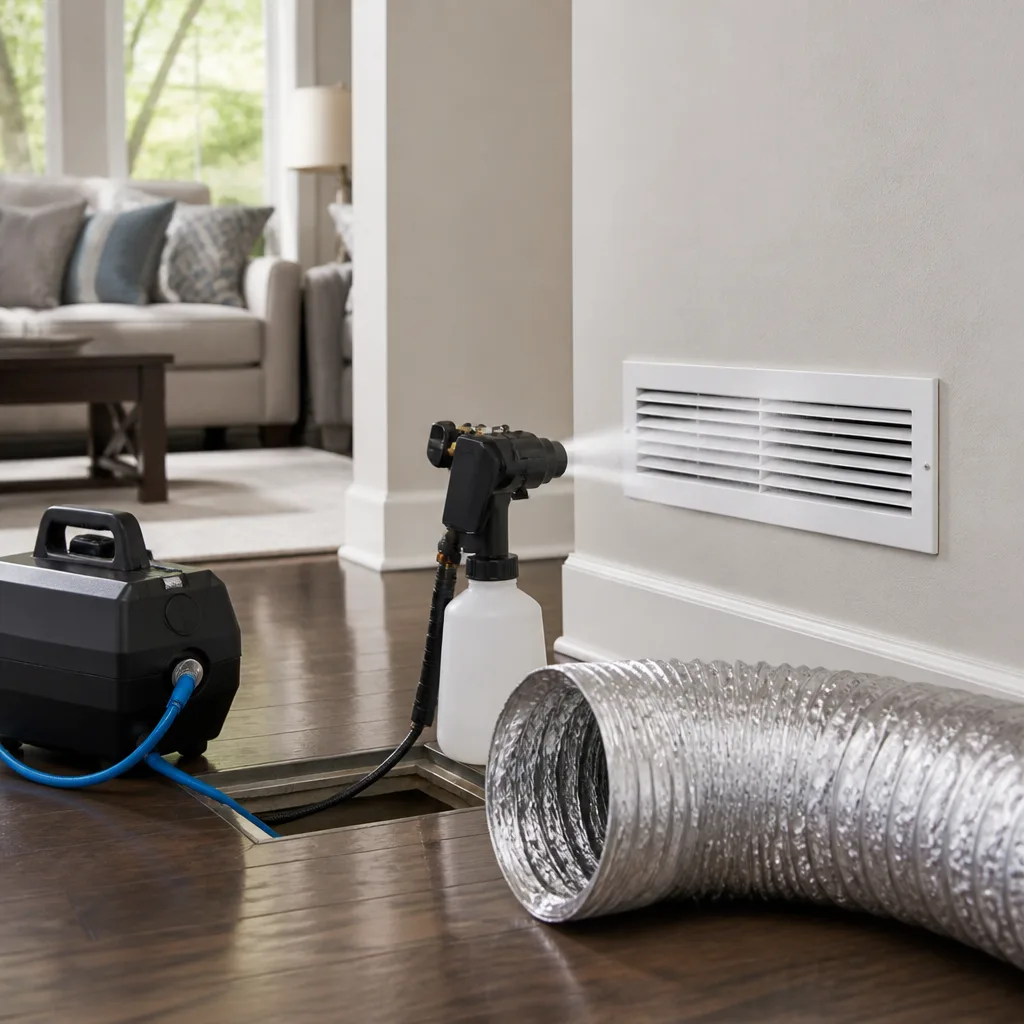 Sanitizing & deodorizing
Whole-system duct and dryer vent check with before-and-after photos - you see exactly what came out of your vents
That "$99 whole-house special" is a bait ad - the real number appears once they are in your hallway, or the "clean" is a shop-vac at the register. We photograph the inside of your ducts before and after instead.
Air Duct Cleaning Permits, Codes & Inspections in Rancho Santa Margarita, CA: What You Need to Know
Here’s the part most homeowners never hear: cleaning your air ducts doesn’t require a permit. The work that often gets bundled into “duct cleaning” might. When a technician reconnects a fallen duct section, sprays an EPA-registered encapsulant, replaces flex duct, or seals joints under Title 24, the job can cross a line into work that California’s mechanical code governs. In our experience across Rancho Santa Margarita homes, that line is where good intentions and unpermitted work collide. This guide shows exactly where it sits, what Orange County’s building department expects, and how to protect yourself before you sign anything.
Quick Answer
Cleaning air ducts in Rancho Santa Margarita does not require a permit, but related duct work does. Duct sealing under the California Energy Code, duct replacement, reconnecting disconnected runs, and applying certain sanitizing encapsulants can fall under California mechanical permit rules. The City of Rancho Santa Margarita handles building permits through Orange County’s system, and any duct sealing tied to an HVAC alteration typically needs a permit and inspection. When in doubt, ask the contractor for documentation and confirm with the local building department before work starts.
Styles & brands we work with
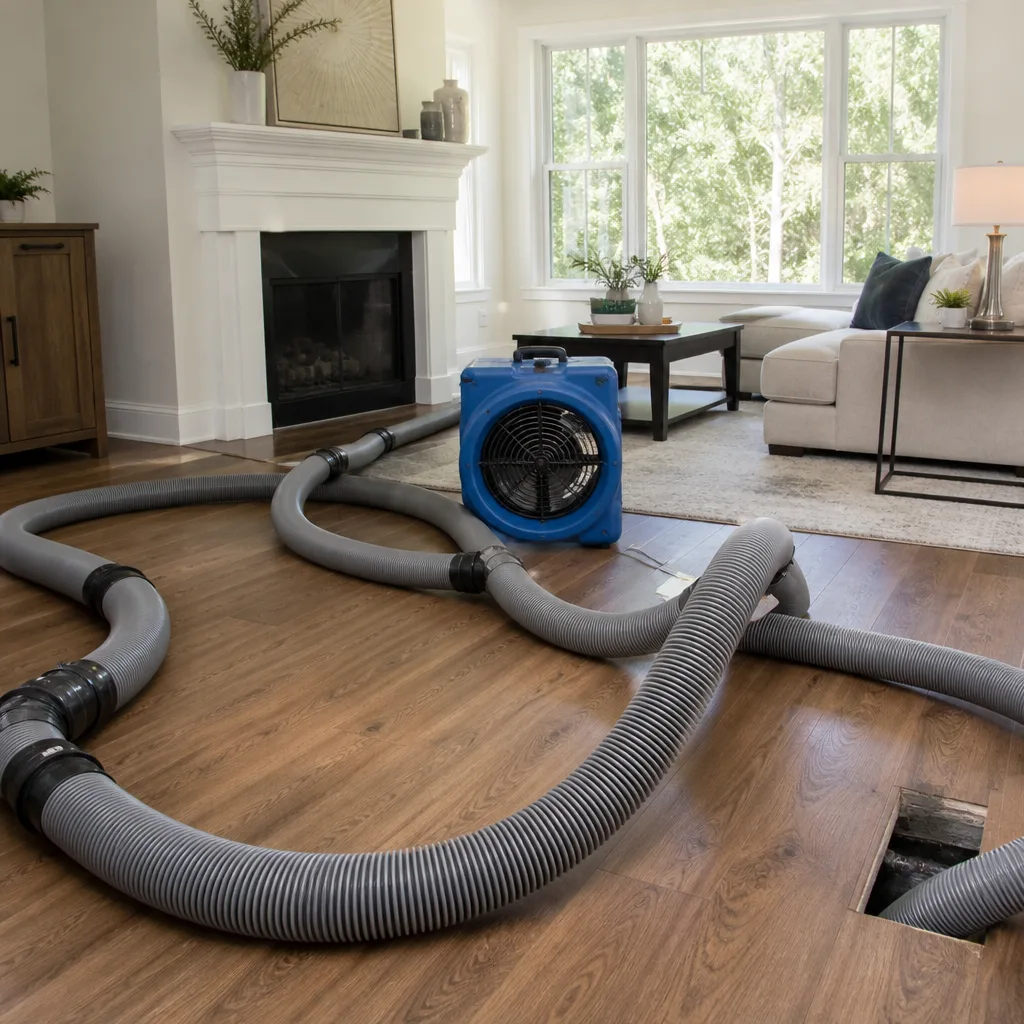
- Whole-home duct cleaning
- Dryer vent cleaning
- Camera inspection
- Sanitizing & deodorizing
Table of Contents
- Which Duct Work Requires a Permit in California?
- How Does Title 24 Apply to Duct Sealing?
- What Are EPA Registration Rules for Duct Sanitizers?
- How Does Orange County Handle Duct Repair vs. Replacement?
- Why Unpermitted Duct Work Can Complicate Insurance and Home Sales
- What Does a Duct Inspection Actually Check?
- What Can Rancho Santa Margarita Homeowners Do Before Calling?
Which Duct Work Requires a Permit in California?
California’s building code separates routine maintenance from alterations. Cleaning is maintenance. Repairing, reconnecting, or replacing is an alteration, and alterations typically require a mechanical permit. The distinction matters most when a homeowner has booked what they think is a cleaning and the technician uncovers a problem that needs a real fix.
Here’s how the categories shake out in Rancho Santa Margarita and across Orange County:
- Duct cleaning (no permit): Removing dust, debris, and contamination from existing duct runs. This is routine maintenance.
- Duct sealing with mastic or Aeroseal (permit typically required when part of an HVAC alteration): Sealing is treated as an energy-code-relevant alteration under Title 24. If it’s tied to a system replacement, it’s part of the permitted scope. Standalone sealing on an existing system can still trigger permit review depending on the scope.
- Duct replacement (permit required): New flex duct, hard pipe, or any run replacement is an alteration.
- Reconnecting a disconnected duct section (permit typically required): Reconnection restores system function and modifies the mechanical system. This is where homeowners are most often surprised.
- Applying an EPA-registered encapsulant (no mechanical permit, but product must be FIFRA-compliant): Sanitizing coatings require no mechanical permit, but the product itself must be EPA-registered for the application.
We’re careful here because the details matter. The permit call isn’t about cleaning. It’s about what the cleaning reveals and what gets done about it. Our Rancho Santa Margarita air duct cleaning pros scope every job so the cleaning side stays maintenance and the repair side is handled transparently, with the permit question answered before the work starts, not after.
How Does Title 24 Apply to Duct Sealing?
Title 24, California’s energy code, treats duct sealing as a measurable performance improvement to the HVAC system. A compliant sealing job isn’t just “spray something on it.” It requires a documented approach, often with a duct leakage test before and after, and the numbers have to be reported when the sealing is part of a permitted alteration.
What “compliant” looks like in practice for a Rancho Santa Margarita home:
- Pre-test: A duct blaster or equivalent measures baseline leakage in the system.
- Seal: All joints, boots, plenum connections, and register boxes are sealed with mastic, mesh tape with mastic, or an aerosol-based system like Aeroseal.
- Post-test: Leakage is measured again and documented against Title 24 thresholds for the climate zone.
- Report: When the sealing is part of a permitted HVAC alteration, the paperwork goes to the building department as part of the inspection record.
One Rancho Santa Margarita reality worth knowing: many of the tract homes built through the 1980s and 1990s have flex duct runs routed through unconditioned attic space. In the warmer months that attic gets blistering. Duct runs that aren’t sealed properly lose cooling capacity before the air reaches your living room, and Title 24 sealing is specifically designed to fix that. Clean ducts are only half the job. Sealing and repair address the reason dust comes back.
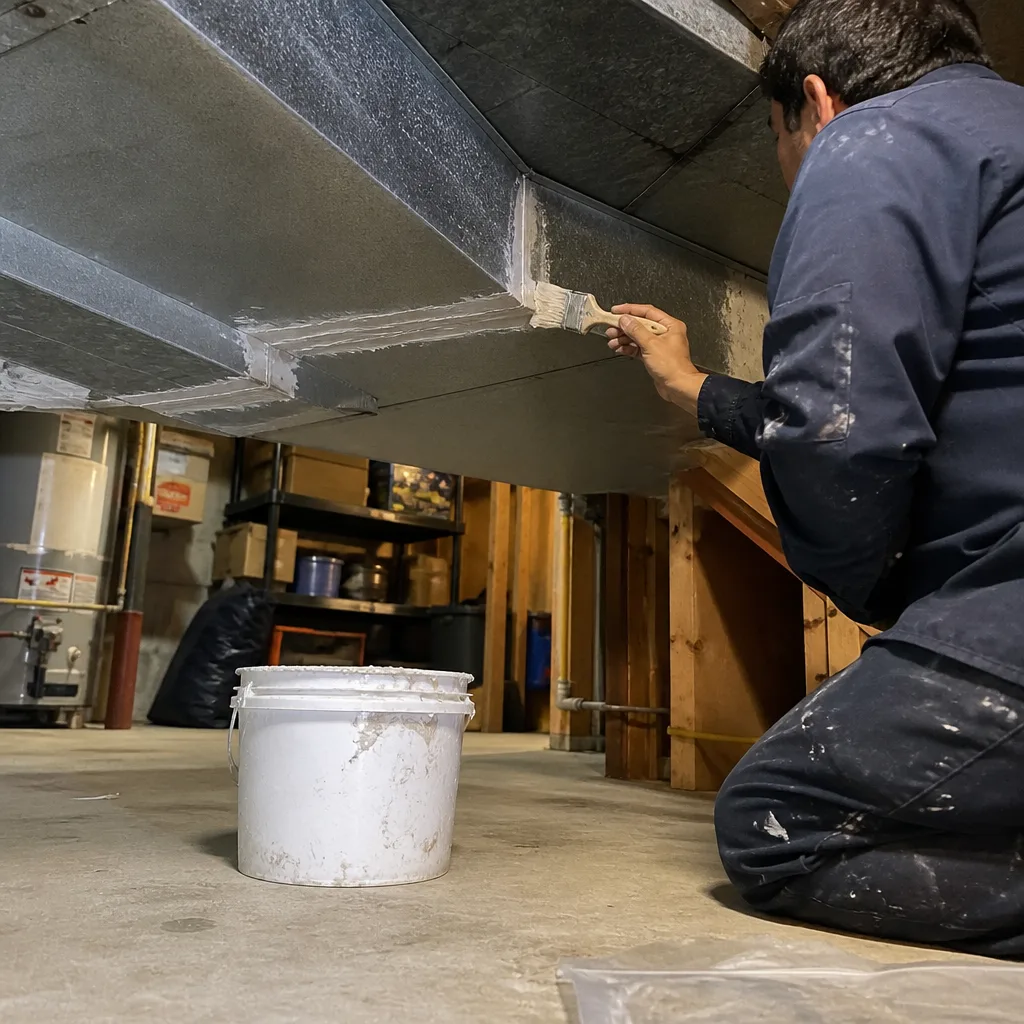
If you’re bundling sealing with cleaning, our HVAC cleaning scope includes the system context that makes sealing worth doing. We use Rotobrush and Nikro equipment because the tools match the task.
What Are EPA Registration Rules for Duct Sanitizers?
Any product sold as a sanitizer, disinfectant, or antimicrobial for use inside ductwork falls under the Federal Insecticide, Fungicide, and Rodenticide Act (FIFRA). That means the manufacturer must hold an EPA registration for that specific use, and the label must list duct interiors as an approved application surface. A product labeled only for hard surfaces, not for HVAC duct interiors, is not legal for that use regardless of what a sales sheet claims.
The questions that matter when a contractor proposes sanitizing:
- Is the product’s EPA registration label available for the homeowner to review?
- Does the label explicitly list HVAC duct interiors, or only general surfaces?
- Is the application rate within the label instructions, or does the contractor use a stronger mix?
- Are safety data sheets (SDS) provided before application?
- Is the product registered as a biocide, an encapsulant, or a deodorizer? These are three different claims.
Our approach on the sanitizing side uses Guardsman-backed protection treatments, applied within the label’s approved use. We provide the documentation. Biocides matter in homes with visible mold growth, chronic musty odors, or a recent water event, and the products need to match the contamination. Abatement Technologies equipment is on hand for contamination-level scenarios that go beyond routine cleaning. If a contractor can’t produce the EPA registration paperwork, that’s the only signal you need.
How Does Orange County Handle Duct Repair vs. Replacement?
Rancho Santa Margarita is a young city by California standards, incorporated in its own right and governed with building permits routed through Orange County’s established system. The practical effect for homeowners is that duct repair and replacement permitting follows Orange County’s mechanical code enforcement, and the residential permit process is well-defined.
The thresholds you’re most likely to encounter:
- Single-section reconnect or minor repair: Often handled as a minor permit or as part of a larger HVAC permit. Ask before work starts, because the scope determines the answer.
- Full duct replacement on one system: Requires a mechanical permit and an inspection.
- Duct replacement as part of an HVAC system changeout: Covered under the HVAC permit; the duct scope is part of the permit application.
- Flex duct replacement in unconditioned attic runs: Permit required, and Title 24 compliance documentation typically applies when the replacement is part of an HVAC alteration.
One thing we see in Rancho Santa Margarita is a variation in how much attic space is accessible. Some neighborhoods have attic configurations that make duct runs easy to service. Others have tight, hot spaces that require a smaller crew and careful staging. That accessibility is one of the reasons permit-review timing varies. The building department wants to see the plan before the work, not after.
The right way to think about it: don’t assume the cleaning contractor is the right person to answer the permit question. Ask the building department. A licensed contractor will already know the answer and will be able to tell you which permits apply to your address without hesitation.
Why Unpermitted Duct Work Can Complicate Insurance and Home Sales
Homeowners’ insurance policies and real estate disclosures both hinge on the idea that modifications to the home’s systems were done with proper authorization and inspection. Duct work is usually invisible, tucked up in the attic or routed through walls, so unpermitted work sits silent until someone needs the record. That’s when it surfaces.
Two scenarios where it does real damage:
- An insurance claim. If a fire, moisture intrusion, or air quality issue traces back to duct work that was modified without a permit, the insurer can question the claim. Some policies exclude losses tied to unpermitted modifications. Others won’t cover a component the carrier considers improperly installed.
- A home sale. During escrow, the buyer’s inspector may flag duct modifications as unpermitted. That can trigger a permit-retrofit process through Orange County, delay the closing, and often come out of the seller’s pocket. The buyer can also walk.
The protective move is simple and cheap. Before any repair, replacement, or sealing, ask the contractor these questions:
- Will this scope require a mechanical permit?
- Who pulls the permit, and what’s the inspection timeline?
- Will I get a copy of the permit and the final inspection record?
- Is the sealing documentation available in writing for my records?
If the contractor deflects or says “we don’t need a permit for that” without checking, that’s the flag. Cleaner air starts at the source, and the paper trail matters as much as the work itself.
What Does a Duct Inspection Actually Check?
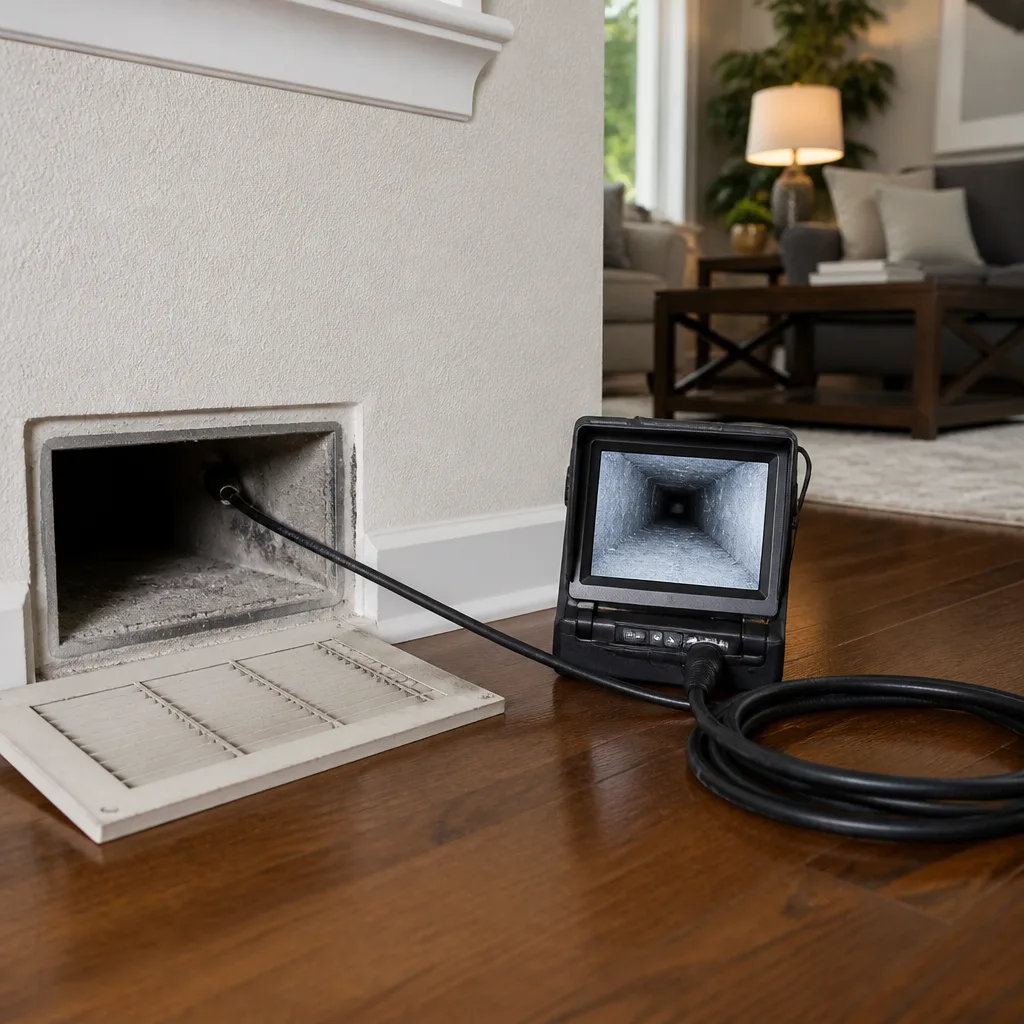
A proper duct inspection in Rancho Santa Margarita isn’t a quick glance with a flashlight. It’s a documented review of the whole system, with photographs, and a written summary of what was found. The good inspections catch problems before they become permits, repairs, or insurance claims.
What a competent inspection covers:
- Duct integrity: Disconnected sections, crushed flex runs, torn insulation, sagging supports.
- Seal condition: Joint condition, mastic coverage at boots and plenums, gaps at register boxes.
- Moisture indicators: Staining, condensation, or visible mold at the air handler and inside runs.
- Airflow measurement: Static pressure and register airflow checked against the system’s design.
- Filtration: Filter type and fit, and whether the filter is correctly matched to the system.
- Duct leakage baseline: When sealing is proposed, a duct blaster test gives the before number so the after number means something.
We photograph the interior of ducts before and after the work. That photo record is what makes the inspection useful. It’s also what makes a permit-required repair defensible if the question ever comes up at resale or in an insurance claim. And for the homes in Rancho Santa Margarita with tile roofs and attic-mounted air handlers, the inspection often reveals sagging flex runs that were never properly supported in the first place.
Once the inspection is done, the repair conversation becomes concrete. Duct repair and sealing is a core service for us because the inspection almost always finds something to seal, and cleaning alone leaves the root cause in place.
What Can Rancho Santa Margarita Homeowners Do Before Calling?
The prep work is simple, and it saves time and money. Before the crew arrives, do these four things:
- Write down what you’ve noticed. Dust accumulating faster than usual, musty smell when the fan kicks on, certain rooms running warm, a higher-than-typical energy bill. These clues help a technician know where to look first.
- Find your air handling unit and note the filter size. The filter size and the model number of the air handler are on a sticker. Photograph both.
- Locate your attic access. Note whether it’s in a hallway, closet, or garage, and whether the panel is accessible without moving furniture.
- Gather any past duct work paperwork. A previous permit, a receipt from a prior contractor, or an inspection report from a home sale all matter if new work is about to be scoped.
Then ask the contractor three things on the phone before booking: what equipment they bring, whether they can produce the EPA registration for any sanitizer they propose, and whether the scope will require a permit. In Rancho Santa Margarita, where a lot of homes were built through the 1990s and early 2000s, the answers are usually telling. The good contractors bring commercial-grade equipment and clear documentation. The others don’t.
Common Mistakes to Avoid
- Assuming cleaning covers the whole job. If a disconnected run isn’t reconnected and sealed, the dust you just paid to remove comes right back within months. Ask about sealing on the same visit.
- Accepting a per-vent price without documented scope. Per-vent pricing invites shortcuts. A flat price per system, agreed before work starts, is the honest structure.
- Not asking for the sanitizer’s EPA registration. FIFRA-compliant products come with documentation. If the contractor can’t produce it, the product isn’t approved for duct interiors in Rancho Santa Margarita homes.
- Letting duct replacement happen without a permit. Unpermitted replacement is a resale and insurance nightmare. If the scope involves new duct runs, the permit conversation happens first.
- Ignoring Title 24 sealing requirements when replacing an HVAC system. Any system changeout typically requires duct sealing documentation under Title 24. Skipping the sealing shortchanges the system and can void the permit’s completion.
- Booking a crew without duct repair capability. Cleaning-only contractors leave the sealing and reconnection work to someone else, which means two visits and two invoices. Verify the scope covers repair.
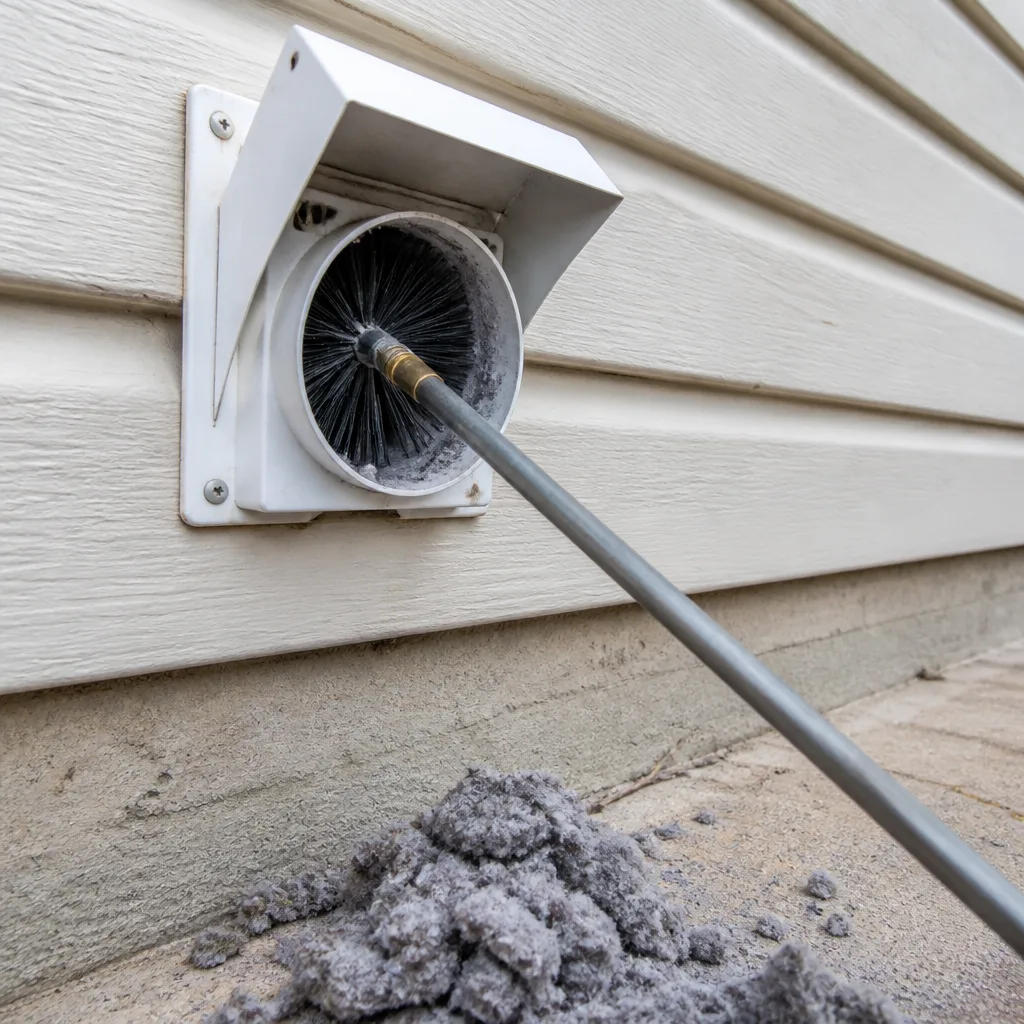
- Skipping the dryer vent while doing duct work. The dryer vent cleaning side of the system is a recognized fire-prevention measure per NFPA guidelines, and it’s more accessible when the crew is already on site.
See the difference
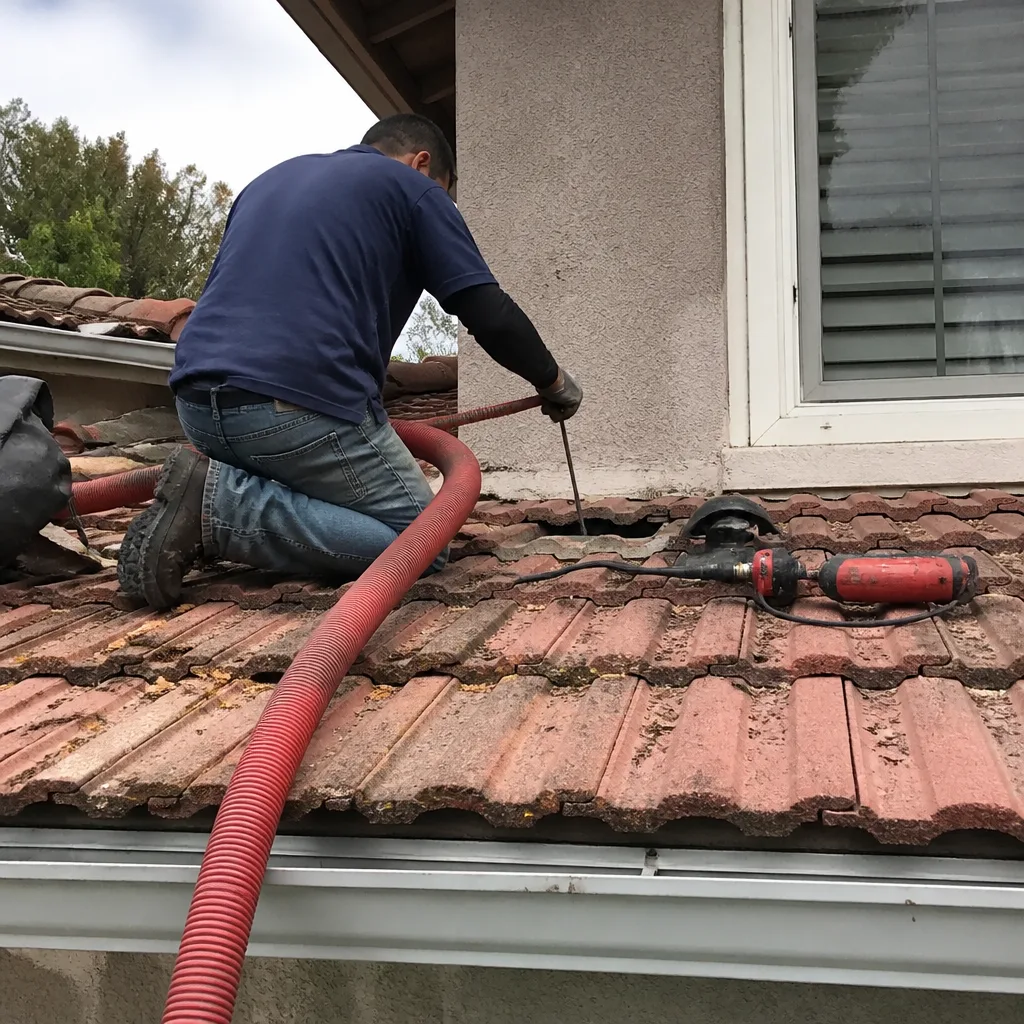 Before
 After
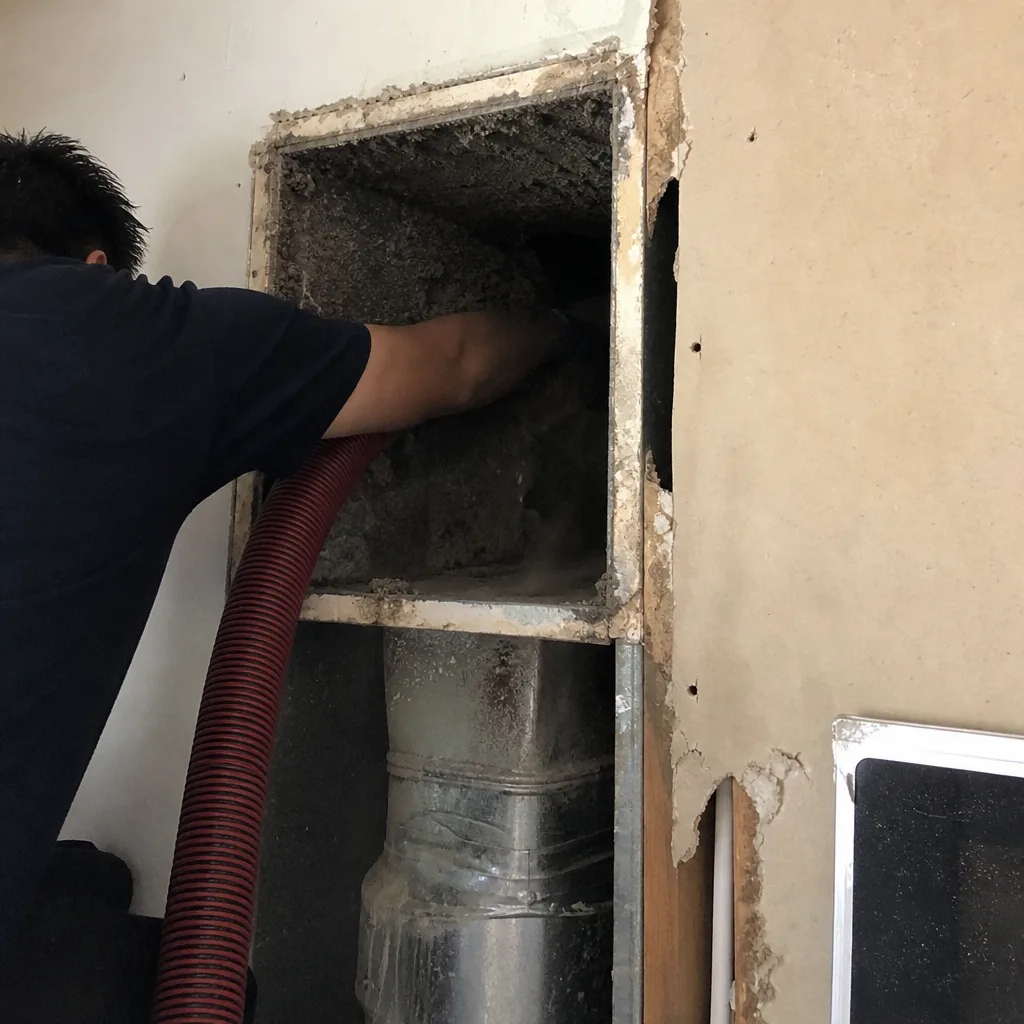 Before
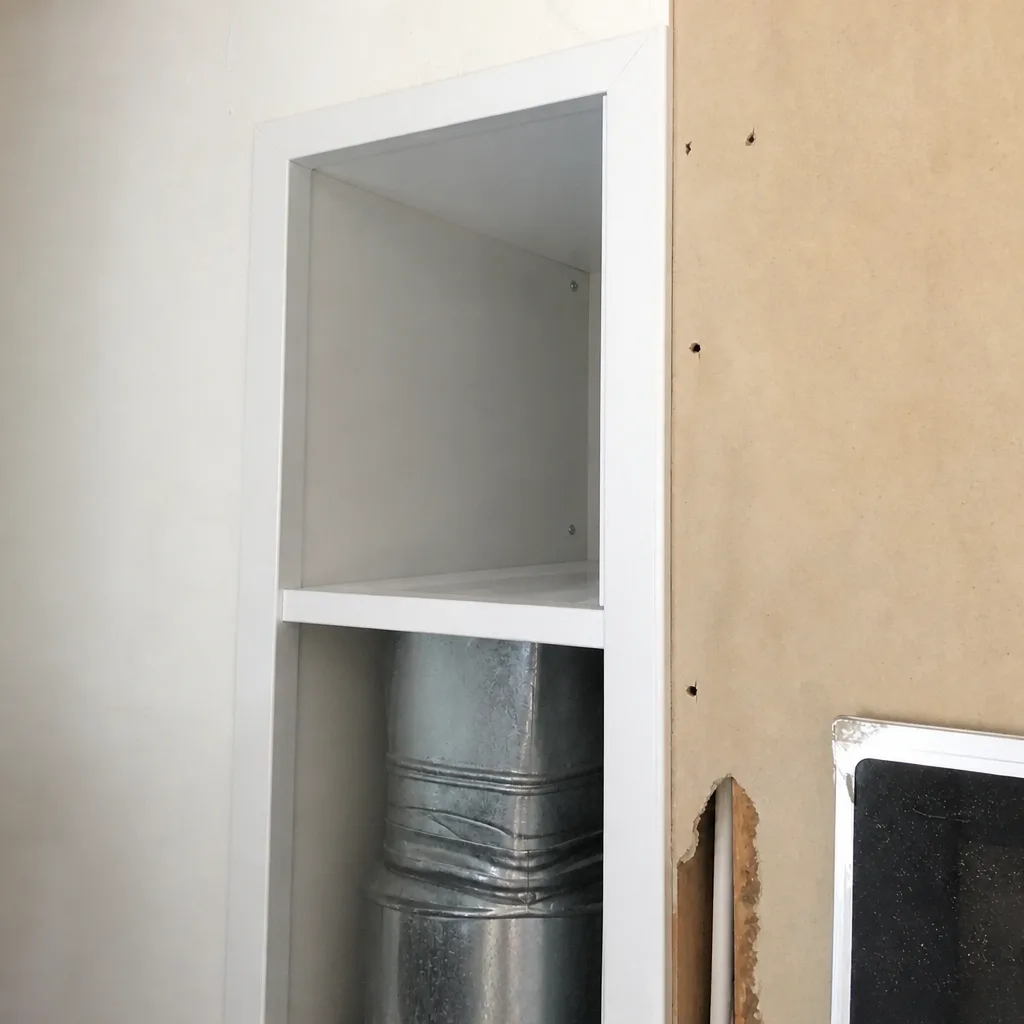 After
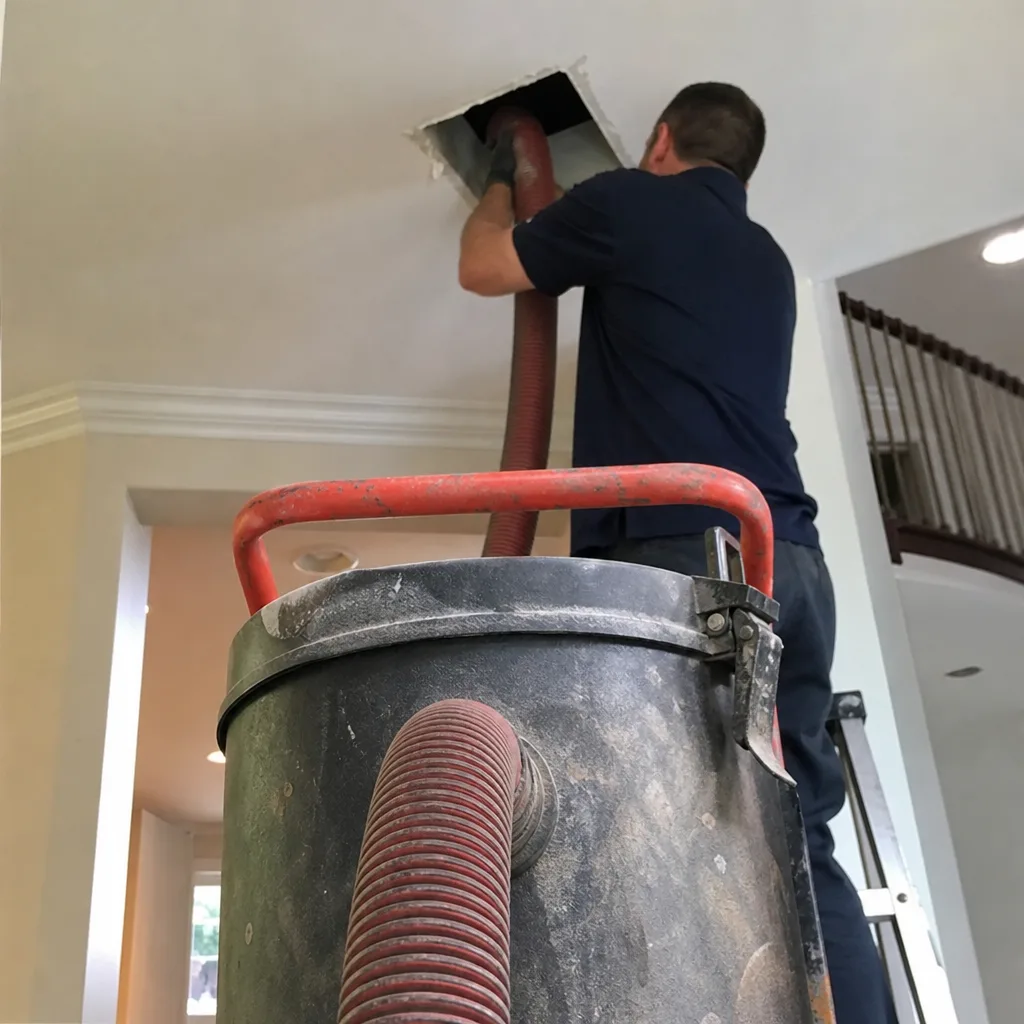 Before
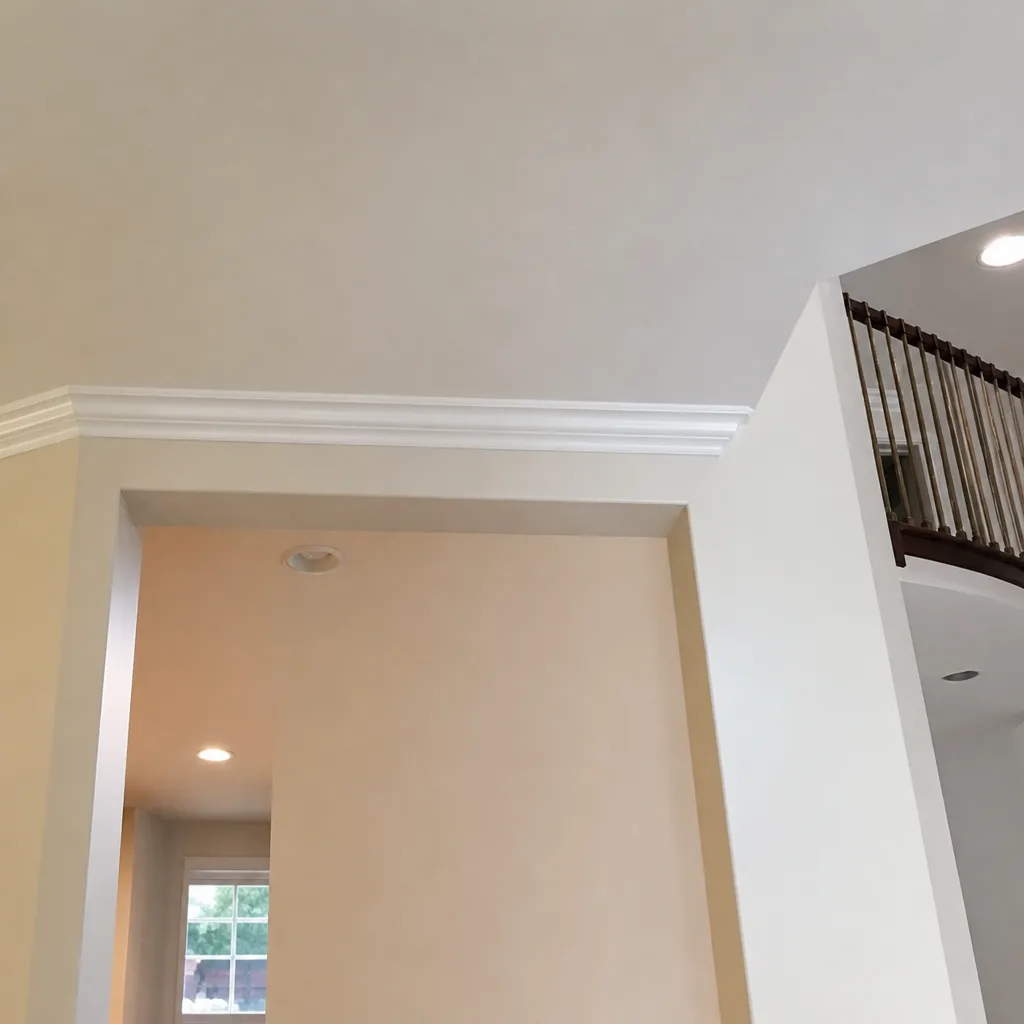 After
When to Call a Professional
Call a professional if you’ve noticed any of the following in your Rancho Santa Margarita home: dust settling on furniture faster than it used to, a musty smell when the system kicks on, uneven cooling between rooms, visible mold around registers, or a duct that’s visibly come apart in the attic. Call before you renovate or replace an HVAC component, because the permit and sealing questions need answers before the work starts, not after. Call before listing a home, because unpermitted duct work surfaces at inspection. And call if you’ve never had the system inspected and don’t know its condition, especially if the home predates 2005.
Rancho Santa Margarita Air Duct Cleaning Pros offers free estimates in Rancho Santa Margarita. Call (877) 792-5932. We answer 24/7. Fast dispatch from 7am to 7pm, Sunday through Friday. Before-and-after photos of your own ducts are part of every job, so you’ll know the work was actually done.
Frequently Asked Questions
No. Air duct cleaning in Rancho Santa Margarita is routine maintenance and does not require a permit. Permits come into play when the scope includes duct replacement, reconnecting a disconnected run, or sealing work tied to an HVAC alteration that falls under Title 24. If a contractor proposes any of those, ask which permits apply before work starts. Call (877) 792-5932 for a free estimate if you want to know what your scope likely triggers.
Yes, when the sealing is part of a permitted HVAC alteration or system replacement. Title 24, California’s energy code, treats duct sealing as a measurable performance improvement and requires documentation, often including a duct leakage test before and after the work. In Rancho Santa Margarita homes with attic-routed flex duct, the sealing makes an immediate difference to cooling efficiency. Call (877) 792-5932 to schedule a scope review with no obligation.
Yes. Under FIFRA, any product sold as a sanitizer, disinfectant, or antimicrobial for duct interiors must hold an EPA registration that explicitly lists HVAC duct interiors as an approved surface. Ask the contractor for the EPA registration paperwork and the safety data sheet before the product is applied. If they can’t produce it, don’t let them apply it. Call (877) 792-5932 to ask about the products we use.
Usually because the scope is narrower than what the home actually needs. Cheap quotes typically exclude sealing, reconnection of disconnected runs, sanitizing, or the documentation that comes with permit-triggering work, and the price increases once the crew is on site. Our flat price per system is agreed before work starts, with before-and-after photos of your own ducts, so nothing changes after the fact. Call (877) 792-5932 for an honest range.
You get photographs of your own ducts, before and after, plus a written summary of what was found and what was repaired. When permit-required scope is involved, you also get the permit and the final inspection record. Any contractor who can’t produce before-and-after documentation is telling you something. Call (877) 792-5932 to see how we document every job.
It can, yes. Unpermitted modifications to duct systems can complicate a homeowner’s insurance claim if a loss traces back to the modification, and they can delay or derail a home sale during escrow when the buyer’s inspector flags them. The fix is simple: keep permit records and documentation for all duct work performed at the property. Our air duct cleaning work comes with a documented scope so you know exactly what was done. Call (877) 792-5932 for a free estimate.
The Bottom Line
Cleaning air ducts in Rancho Santa Margarita requires no permit. The work bundled with it may. Duct replacement, reconnecting disconnected runs, Title 24 sealing, and EPA-registered encapsulants each carry separate rules, and getting them right protects you at resale, at claim time, and when the system needs service again. Ask the contractor about permits, ask for EPA documentation, ask for before-and-after photos. Clean ducts are only half the job. Sealing, repair, and documentation are the other half. If you want a straight answer on what your scope triggers, call (877) 792-5932 for a free estimate.
Written by the team at Rancho Santa Margarita Air Duct Cleaning Pros.